The jaguar still walks the Chocó. We are making sure it always will.
A jaguar needs forest, miles of it, unbroken. Where the jaguar still hunts, the harpy eagle still nests in the canopy and humpback whales still give birth off the coast below.
By keeping that forest standing, Mama Nature protects their home, alongside the Afro-Colombian communities who have kept it all alive.
Every July, the whales come home to the Chocó. We are making sure they always will.
Humpback whales swim 8,000 km from Antarctica to give birth off these shores. Jaguars still walk the forests behind. Harpy eagles still hunt the canopy above.
By keeping that forest standing, Mama Nature protects their home and stands with the Afro-Colombian communities who have kept it all alive
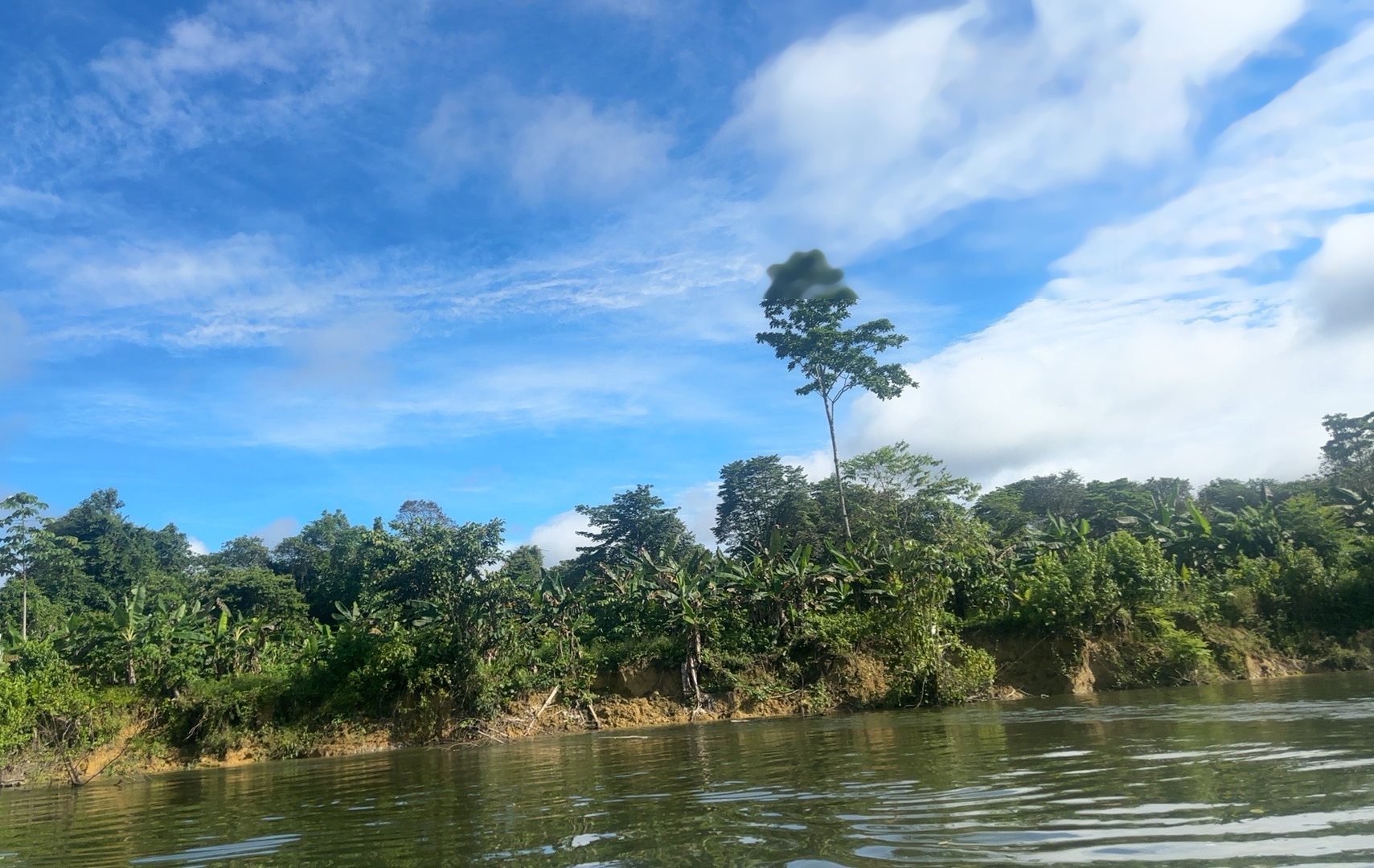
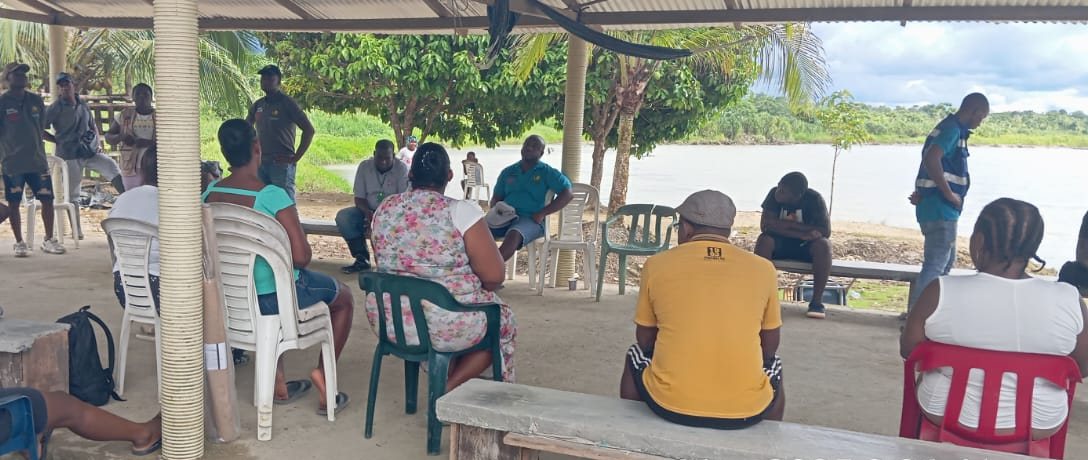

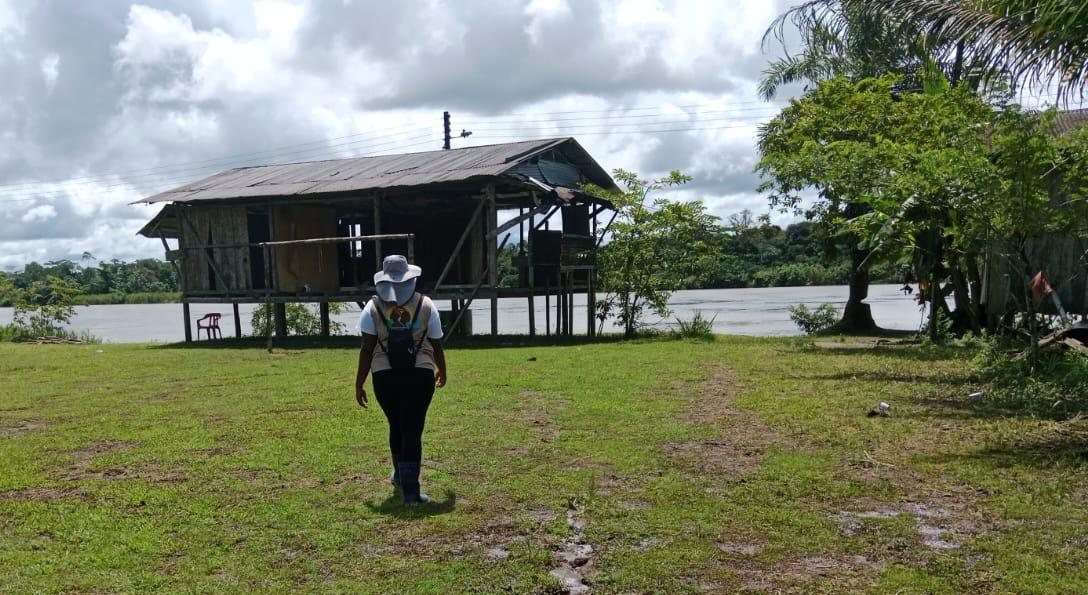
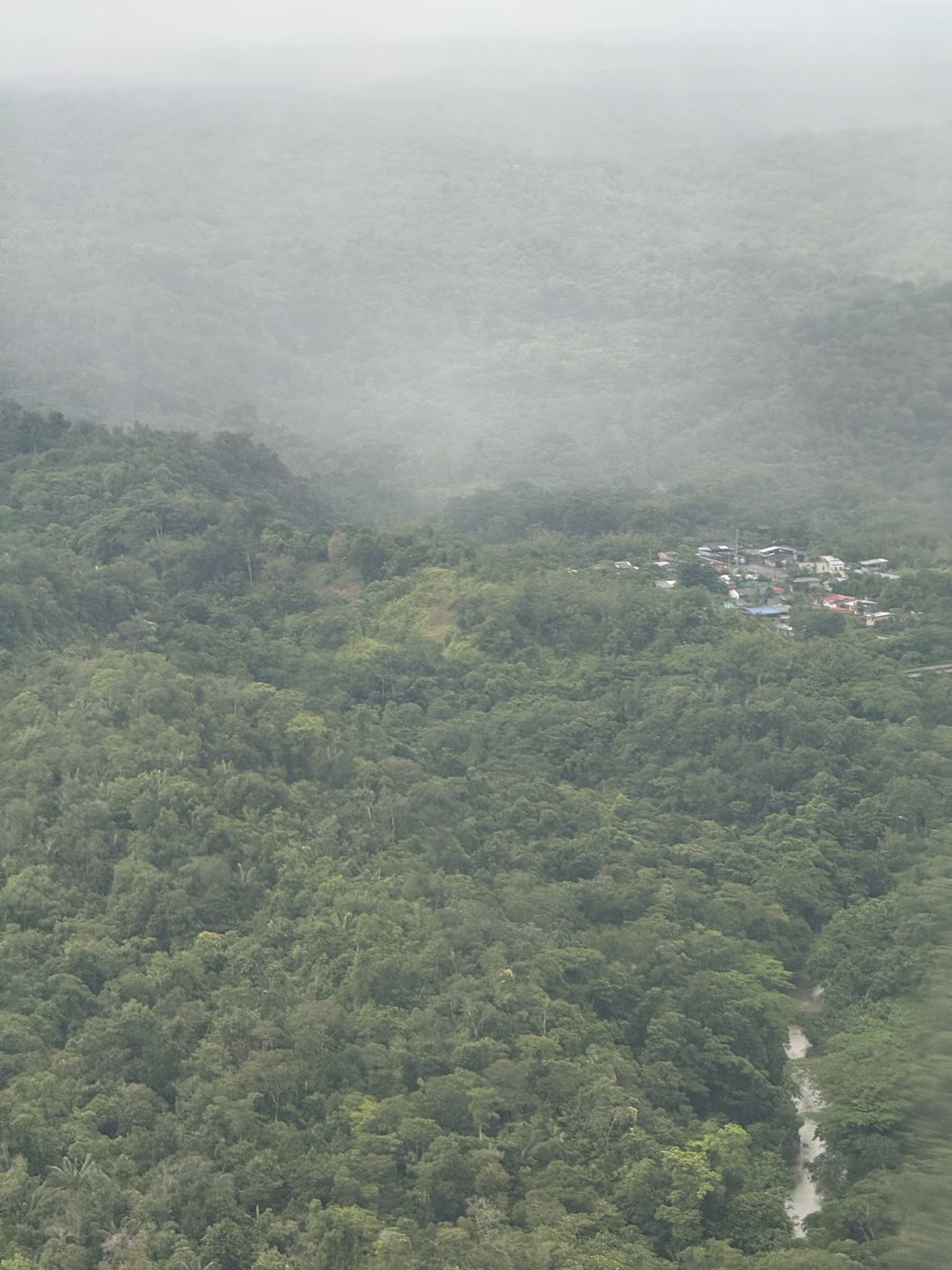

Community governance.
Plan Vivo carbon credits.
Work alongside Afro-Colombian communities in Colombia's Pacific rainforest who govern their own conservation. Every project is built under the Plan Vivo standard with full transparency, and up to 75% of revenue flows directly to the communities protecting the forest.
Our projects
Three community-led REDD+ projects on Colombia's Pacific coast, each governed by its own Afro-Colombian community council. All three are in development under Plan Vivo, and no credits have been issued yet.
Working alongside partners in the field and in the data


Why integrity matters in carbon markets
Voluntary carbon markets have become essential for corporate climate strategies, yet credibility remains fragile. Transparency and additionality are no longer optional they are the foundation of trust.
Community-led governance
Transparent benefit distribution
Third-party verification standards
What makes these credits premium
Each credit is built on rigorous standards and direct community stewardship.
Plan Vivo framework and PV Climate certification
Internationally recognised methodology for community-based conservation projects
Community governance with FPIC protocols
Free, prior and informed consent ensures communities lead their own conservation
Projects operate in Colombia's Pacific rainforest, one of Earth's most biodiverse and threatened regions
Explore projects

The Chocó in numbers
What makes this forest worth protecting, and who protects it. Scroll sideways for more.
672K
Larger than the whole of Brunei
Titled to the Consejo Comunitario General del San Juan in 2001. Within it, the project focuses on some 584,200 hectares of humid tropical forest, after areas with mining titles were left out in 2026.
72
A quarter century of collective land stewardship
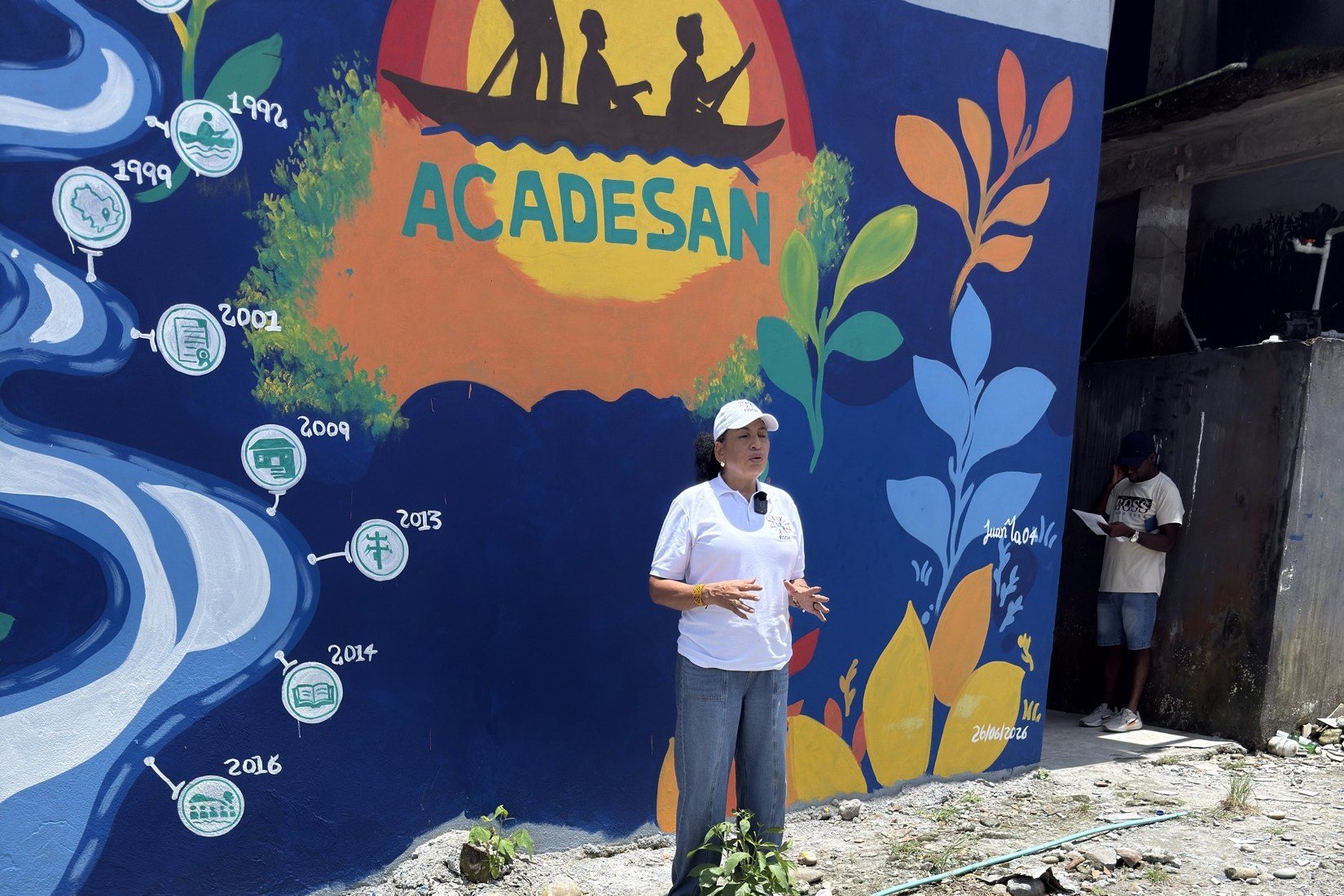
The 72 communities of ACADESAN have held collective title to their territory since 2001, under Law 70 of 1993. Their own governance, with community councils and guardians, leads every decision we take together.
65 to 75%
Those who protect the forest receive the largest share
Each community council has its own agreement with us. For ACADESAN the share is 75 percent, for La Voz de los Negros and Chanzará & Alto Río Sequihonda it is 65 percent. The councils decide how it is spent.
800+
More bird species than all of Europe combined
The Chocó bioregion is home to more than 800 bird species, many of them found nowhere else on Earth, from the Chocó toucan to the Baudó oropendola.
9,000+
One of the most botanically rich places on Earth
Colombia's Pacific Chocó hosts more than 9,000 plant species, many still being described. Rainfall of up to 13,000 mm a year makes this one of the wettest forests on the planet.
1,212
519 animals and 693 plants on the council's land
Roughly a quarter of the species recorded in the San Juan territory live nowhere else. Nine of them are on the IUCN Red List.
1.45°C
We are running out of margin on 1.5°C
2024 was the hottest year on record. Keeping standing forests standing is one of the fastest and most cost-effective ways to slow warming.
3
Registered in Colombia's national REDD+ registry
ACADESAN, La Voz de los Negros and Chanzará & Alto Río Sequihonda are filed in RENARE in the feasibility phase. Plan Vivo validation comes next. No credits have been issued yet.
Build climate programs that scale beyond single credits
White-label platforms let enterprises embed community-led carbon projects into customer loyalty programs, employee engagement, or product-level offsets. Your brand. Our integrity.
Airline and travel programs
Employee engagement platforms
Product-level offset integration

Where we stand today
Community territory
hectares of collective Afro-Colombian territory, titled to the community councils, across three projects in development
Partner councils
Afro-Colombian community councils (consejos comunitarios) we work alongside
National registration
projects filed in RENARE, Colombia's national REDD+ registry (feasibility phase)
Build credible climate action
High-integrity, community-led projects that deliver measurable environmental and social outcomes.

Questions
Find answers to common questions about our Plan Vivo credits, verification and community benefit distribution.
Our projects are developed under the Plan Vivo framework and its PV Climate requirements. None of them is certified yet, and no credits have been issued. For ACADESAN, our largest project, the Project Idea Note is being revised after Plan Vivo's first review. Credits can only be issued once validation is complete, and every credit we sell will carry Plan Vivo certification and independent third-party verification. All projects are governed by Afro-Colombian communities in Colombia's Pacific rainforest.
Once issued, every credit will carry a unique serial number in our public register and be tracked in a credit ledger for partners. Each credit can be issued once and retired once, fully documented. Our projects are also filed in RENARE, Colombia's national registry, which helps prevent double counting.
Between 65 and 75 percent of revenue from credit sales goes to the communities protecting the forest, depending on the project. For ACADESAN, by far the largest area, the share is 75 percent. This commitment is set in our agreement with each community council and will be reviewed as part of Plan Vivo validation. Communities decide how to invest these funds in their own conservation and development priorities.
We align with VCMI and ICVCM guidance on corporate climate claims. Our reporting and claims guidance service helps enterprises communicate their offset purchases responsibly. We provide detailed documentation of project additionality, permanence and social safeguards to support credible public statements.
Each credit is built on Plan Vivo methodology, community governance with FPIC protocols, operation in high-threat deforestation frontiers, transparent benefit sharing and full registry access. Our white-label platform also allows enterprises to embed these credits into branded climate programs without compromising integrity.