ACADESAN
The forests of the San Juan, kept by the people who have always kept them.
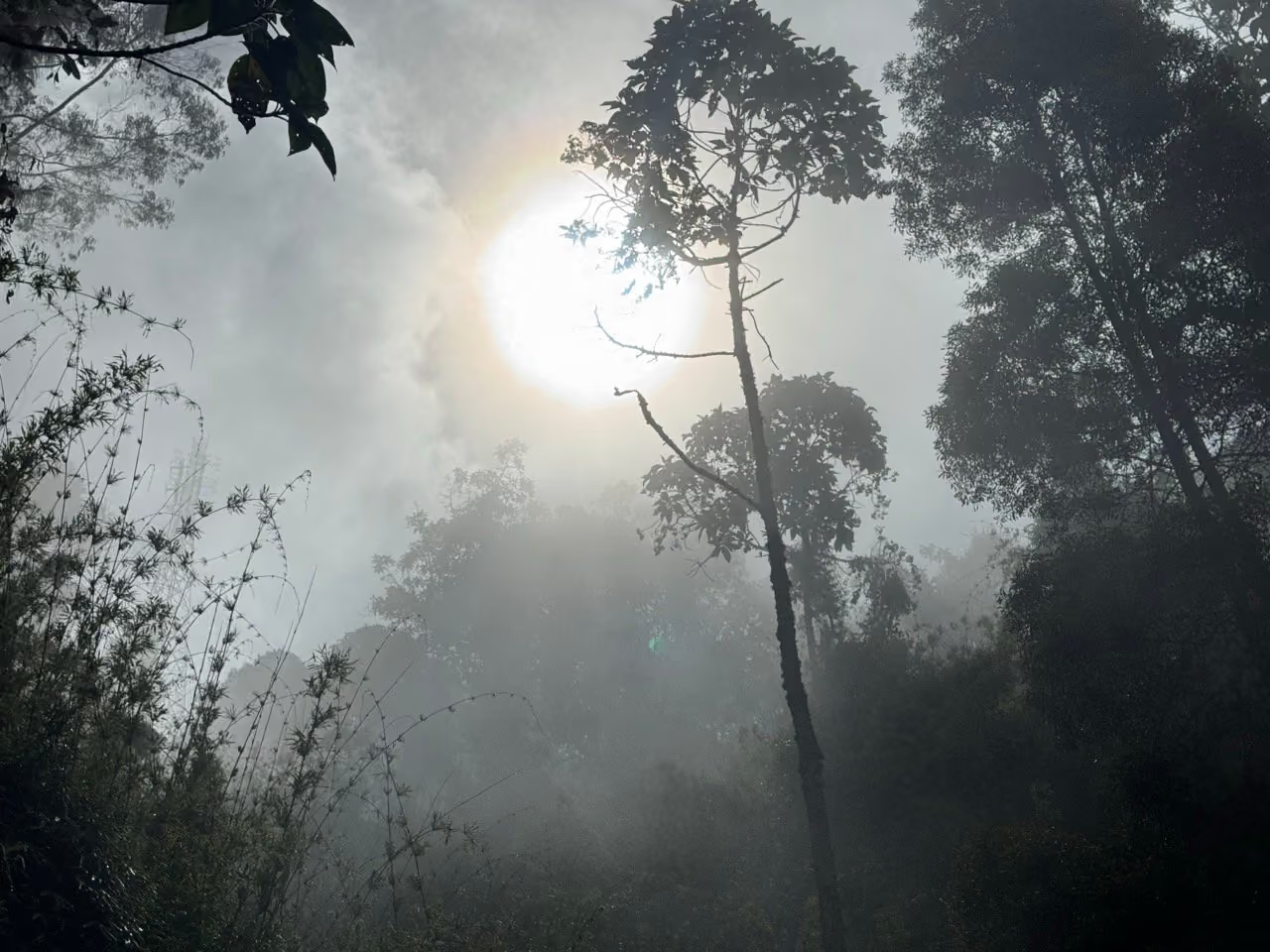
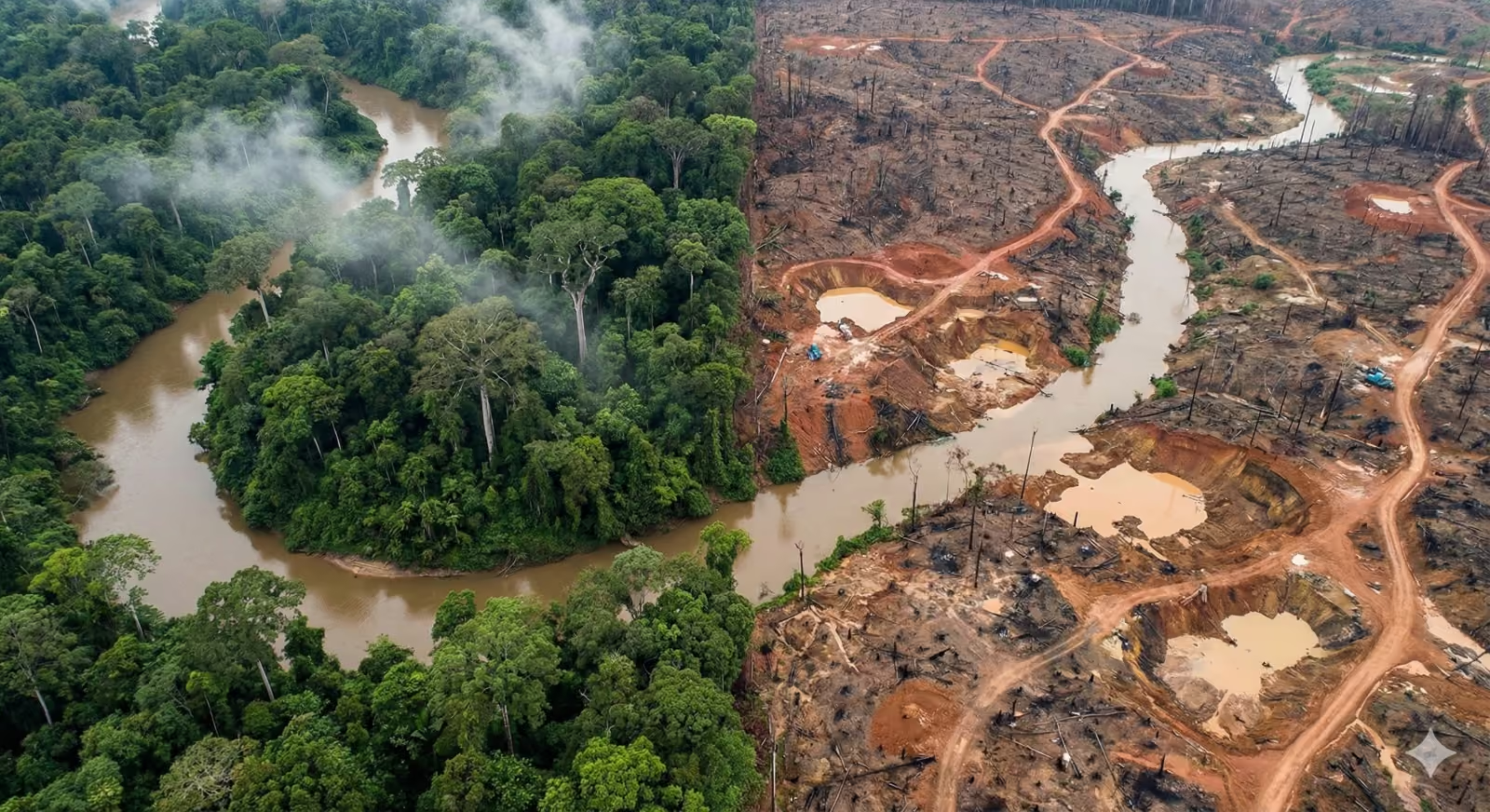
A forest at the edge of two worlds.
The collective territory of the Consejo Comunitario General del San Juan, known as Acadesan, stretches across 683,591 hectares of the Biogeographic Chocó, between the Andean foothills and the Pacific coast.
It is humid, dense and largely intact. It is also one of the most biologically rich places on the planet.The land carries 519 documented animal species and 693 species of vascular plants. Roughly a quarter of them live nowhere else on Earth.
The San Juan, Chocó's second-largest river, runs through the heart of it. It feeds the floodable forests, the mangroves at its mouth and the daily life of the communities along its banks.This is the forest we protect, alongside the people who have lived with it for generations.

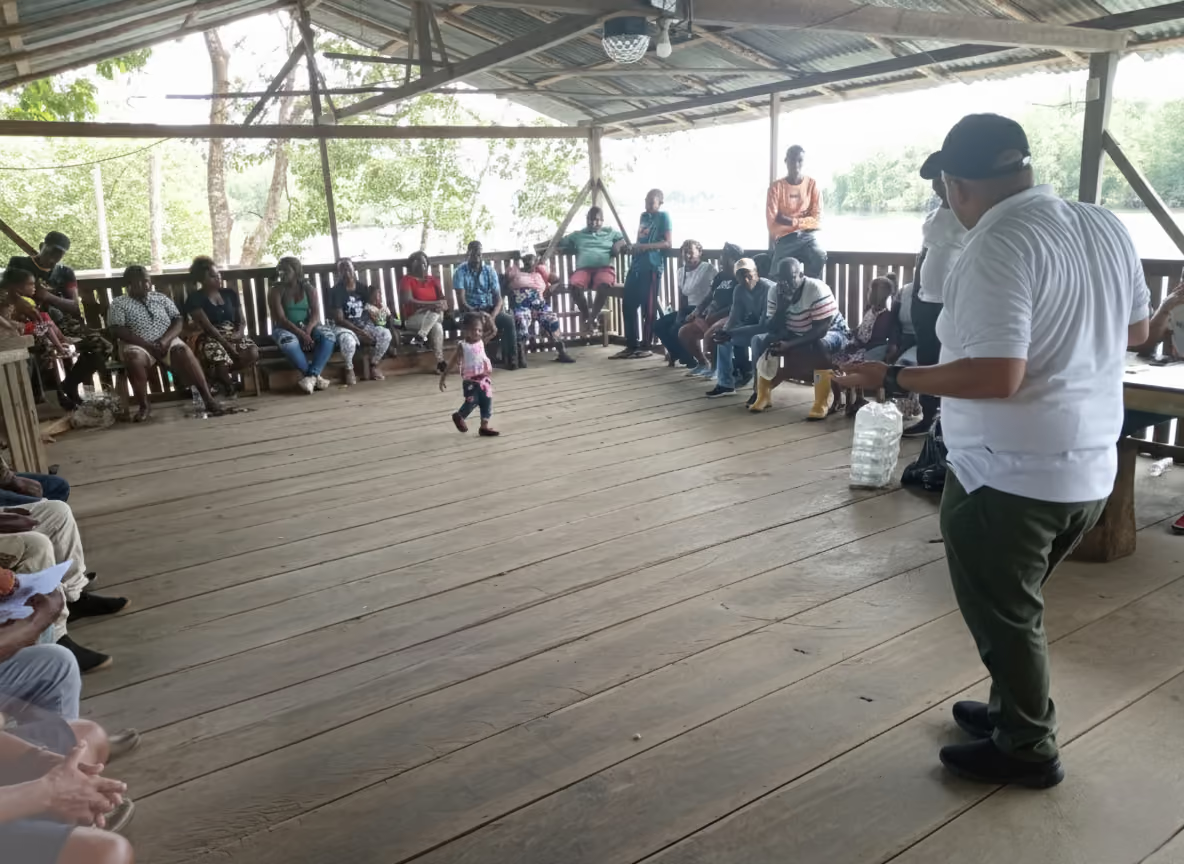
Acadesan is not a project area. It is a council.
The Consejo Comunitario General del San Juan represents 72 Afro-Colombian communities organised across 8 operational zones along the river basin. The council holds the collective title to the territory, inalienable, imprescriptible and unseizable under Colombia's Law 70 of 1993.
It is the highest authority on every decision about its land.The partnership was chosen in 2022 by the council's General Assembly after evaluating five offers in the national REDD+ portfolio. Consent was given unanimously, in writing and in person, community by community, in line with the principles of Free, Prior and Informed Consent.
.
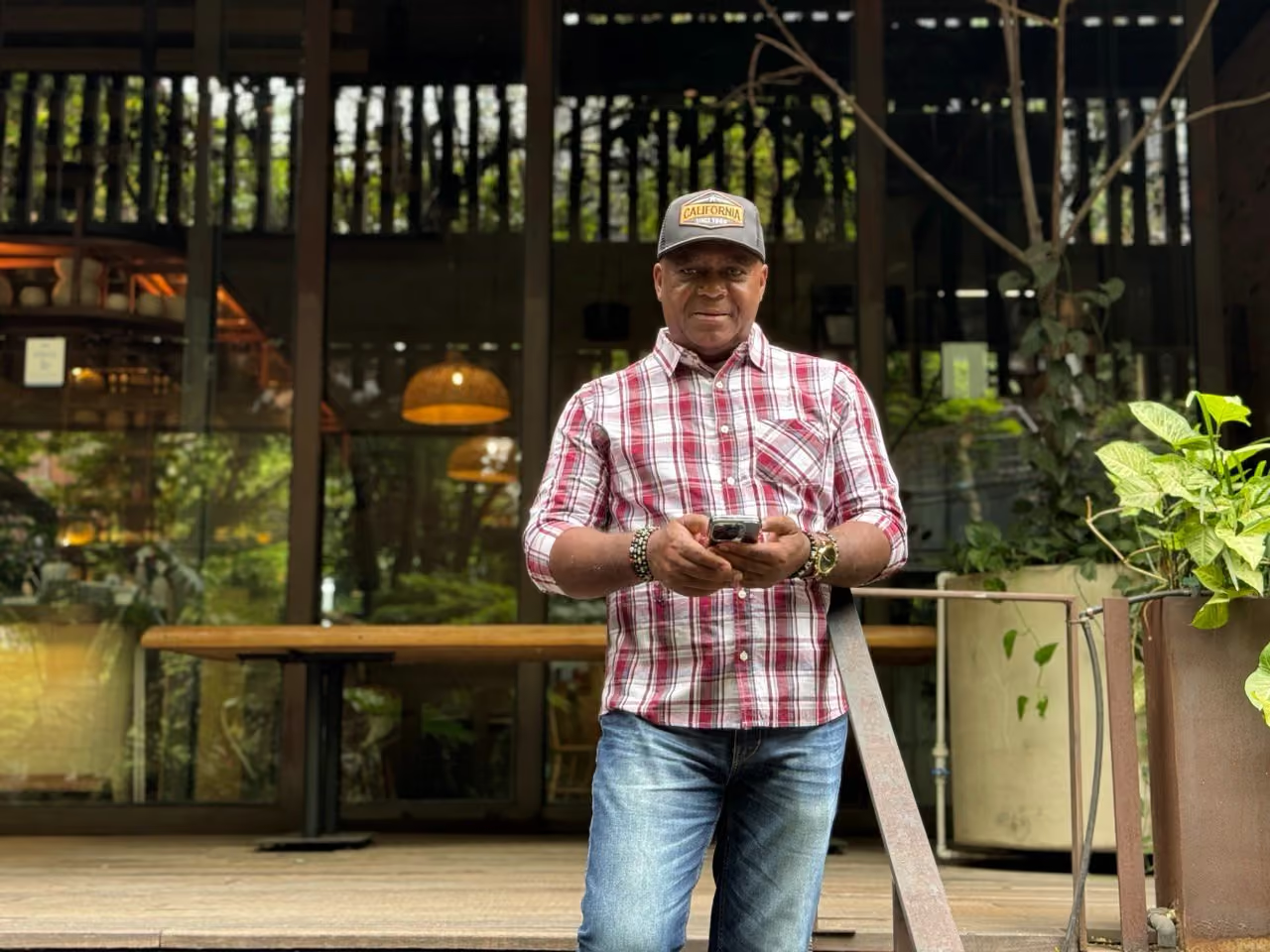
The council is legally represented by Felipe Nery Martínez Arboleda
Felipe:
"The forest is what we have, and what our children will have. We chose this work so that both stay true."
Four pressures, and one quiet response
The Chocó has the third-highest deforestation rate in Colombia. In Acadesan's territory, the pressure comes from four specific drivers. None of them originate with the communities themselves.
The response is patient and territorial. Monitoring, livelihoods and governance, designed and led by the council, on its own terms.
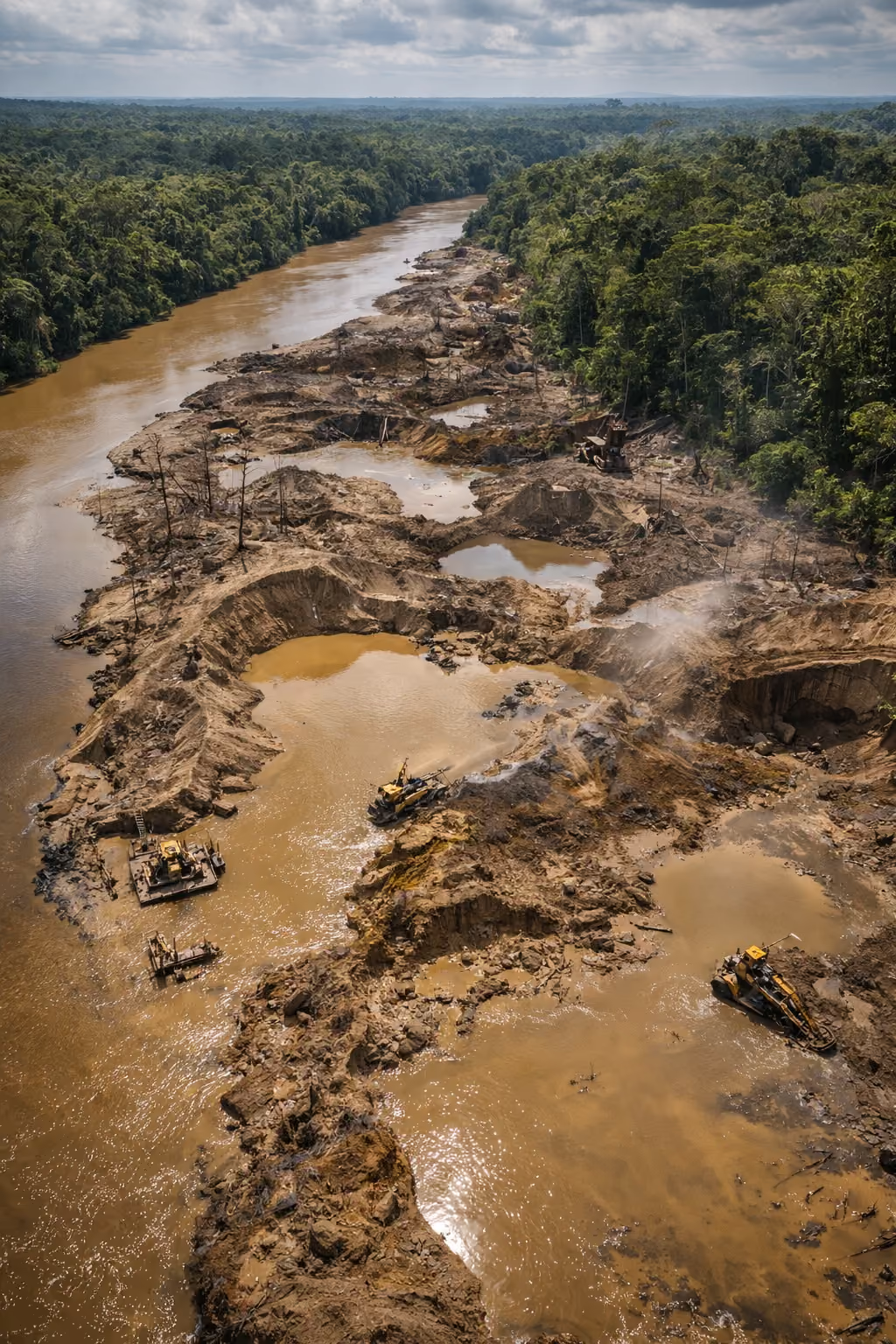
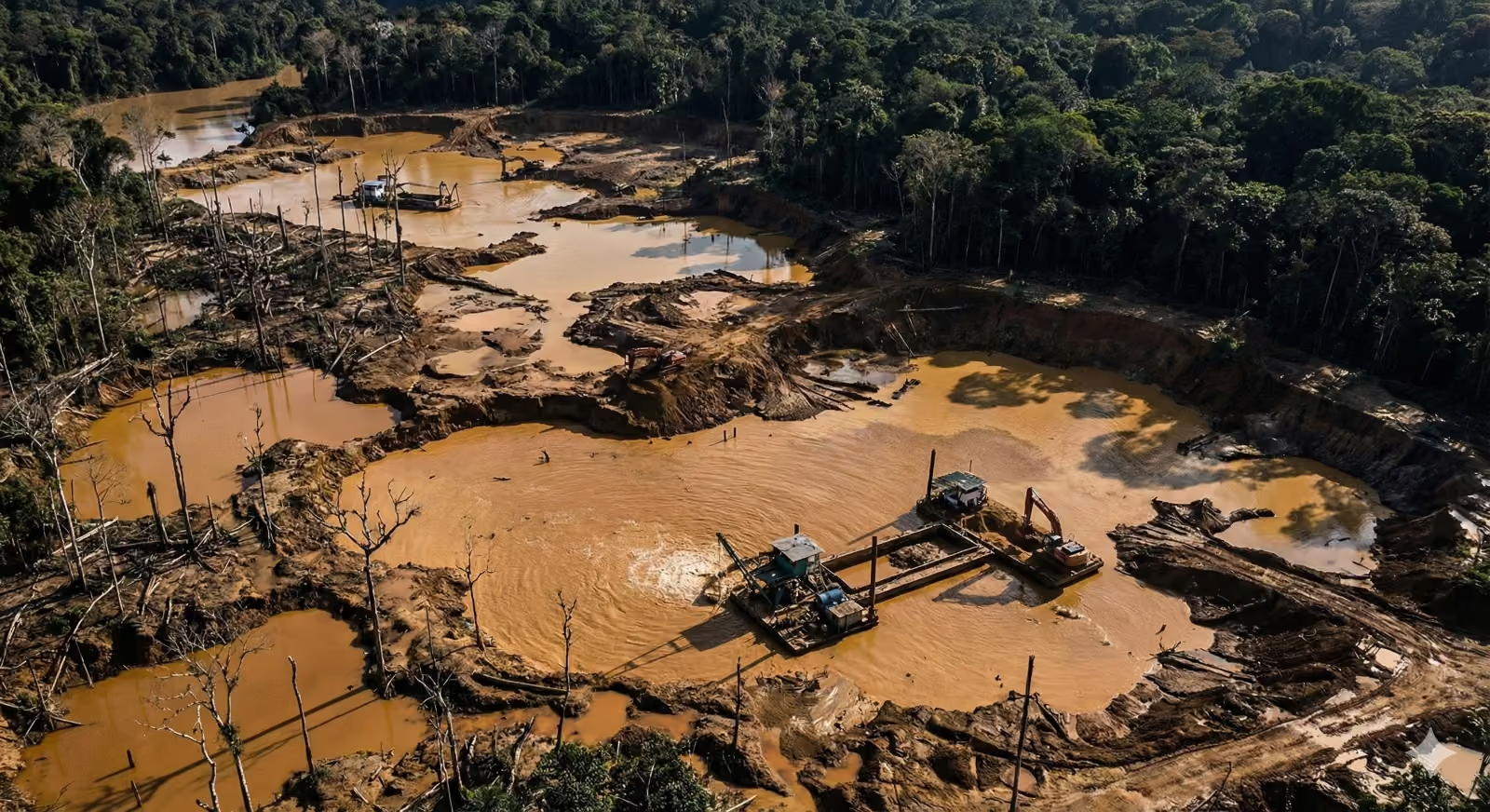
Issue 1. Mechanised illegal mining
Backhoes and dredges working alluvial gold deposits, leaving mercury-contaminated rivers, altered waterways and stripped forest in their wake.

Issue 2. Illicit crops
Coca cultivation as a survival economy in zones with no legal market access. The project finances none of it. It offers lawful alternatives instead.

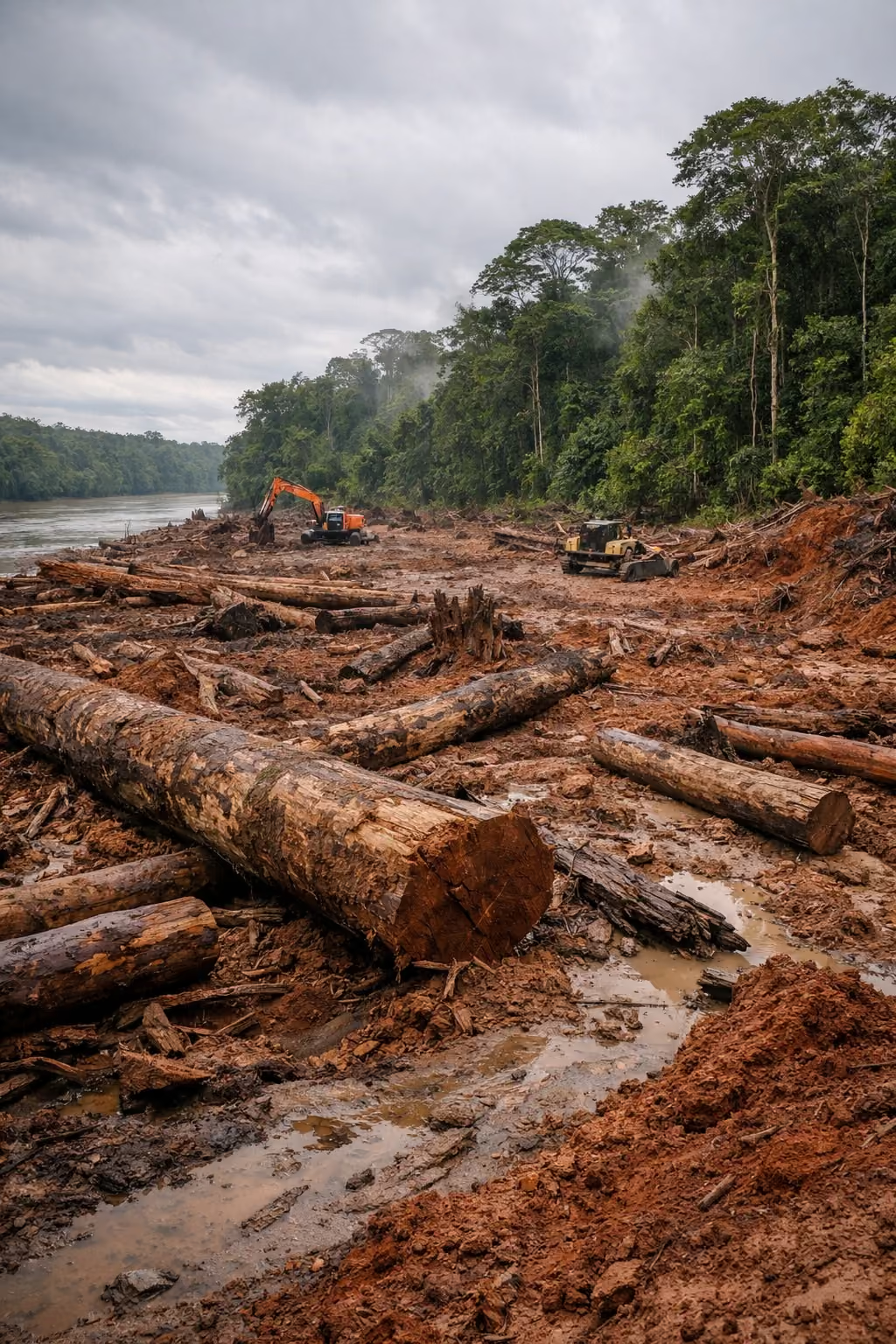
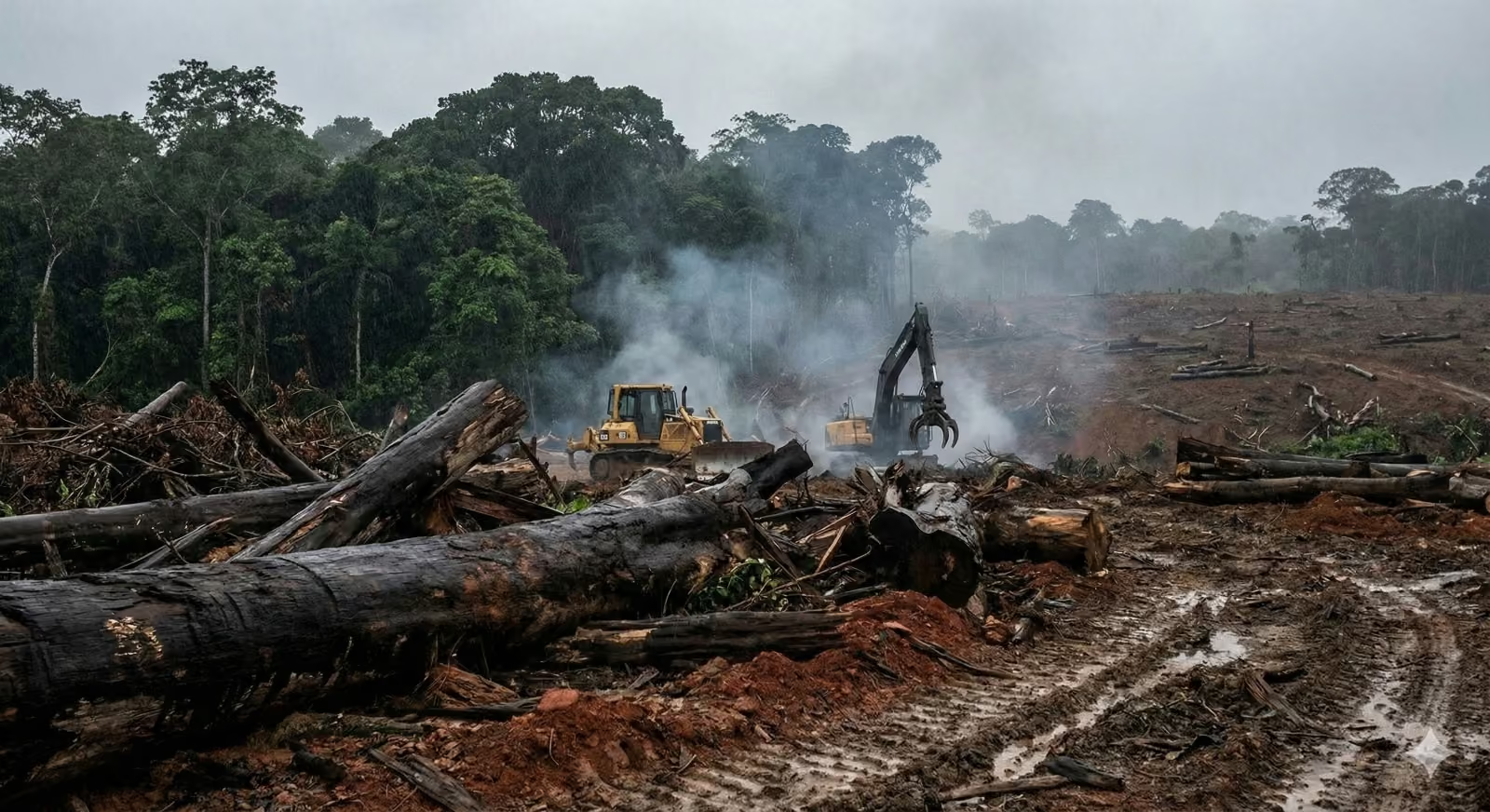
Issue 3. Unsustainable selective logging
High-value timber extracted faster than the forest can return.

Issue 4. Agricultural frontier without alternatives
Subsistence farming forced into forested areas because nothing else pays.

Three lines of work. One territorial plan.
This is how we can make impact

Community monitoring and surveillance
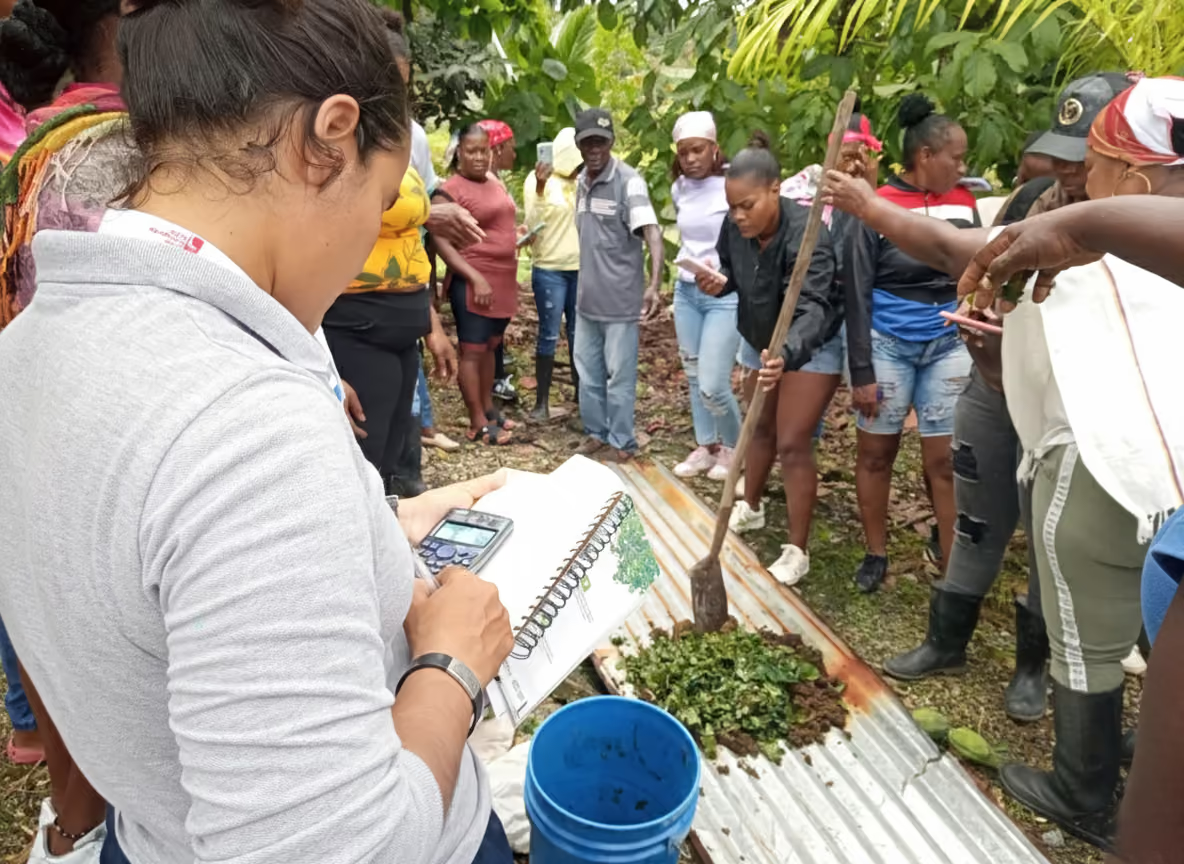
Verification patrols in every community, coordinated by the council and supported by satellite alerts from Space for Good. River-based travel, GPS evidence and a chain of custody from sensor to community to action.

Sustainable productive systems
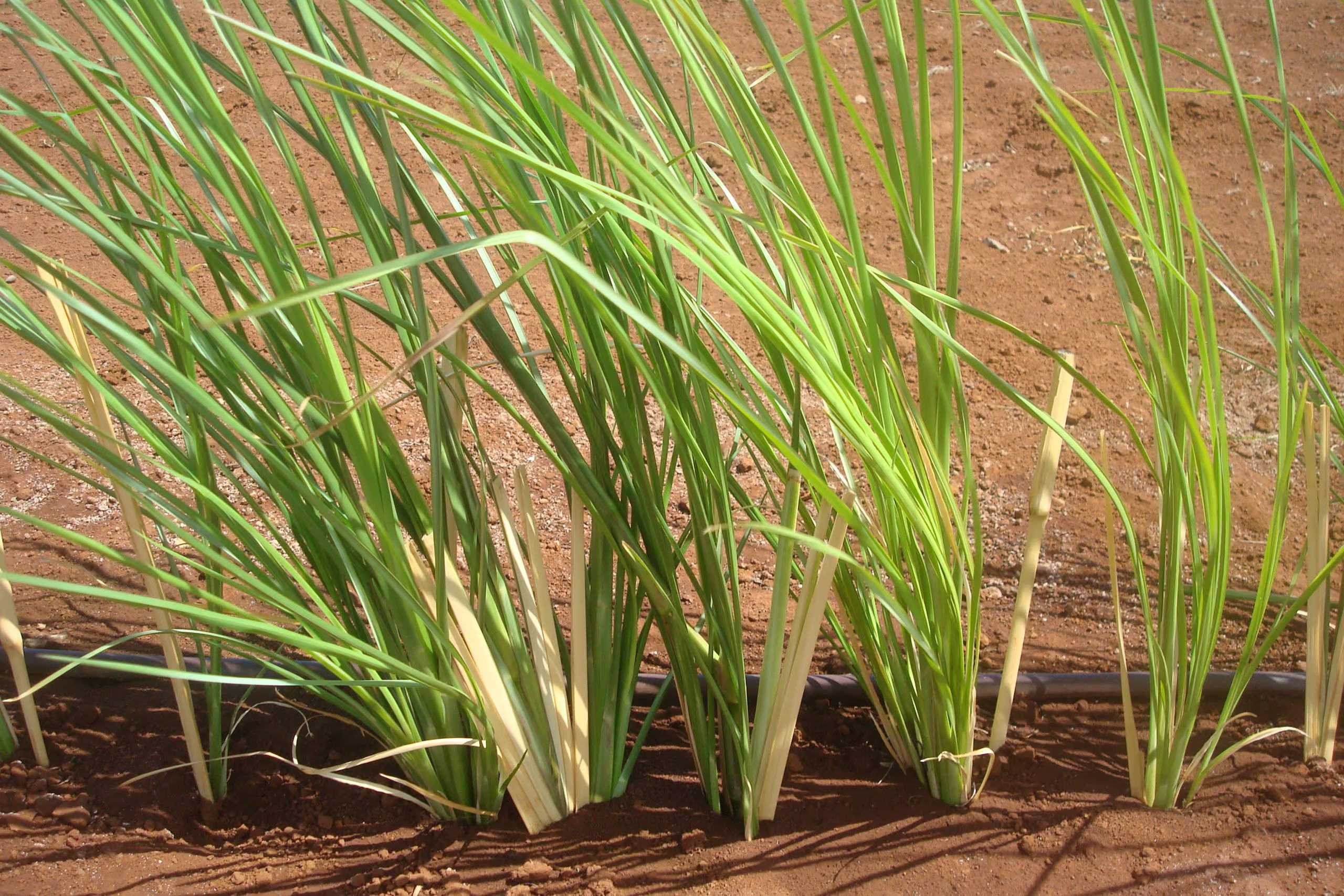
Agroforestry and traditional crops re-established on already-intervened land, never opening new forest. Designed around the regional practices the communities want to recover. Trueque, mano cambiada, convite.
Governance and territorial capacity
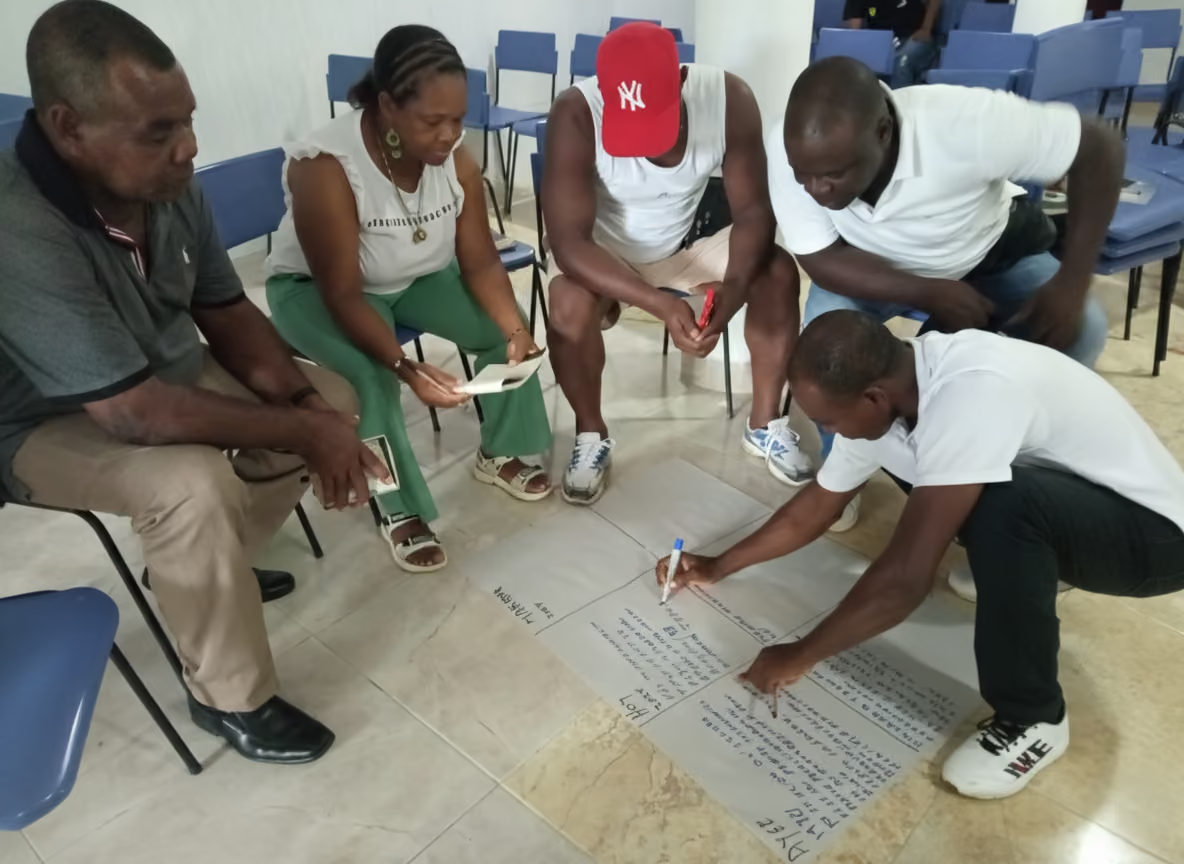
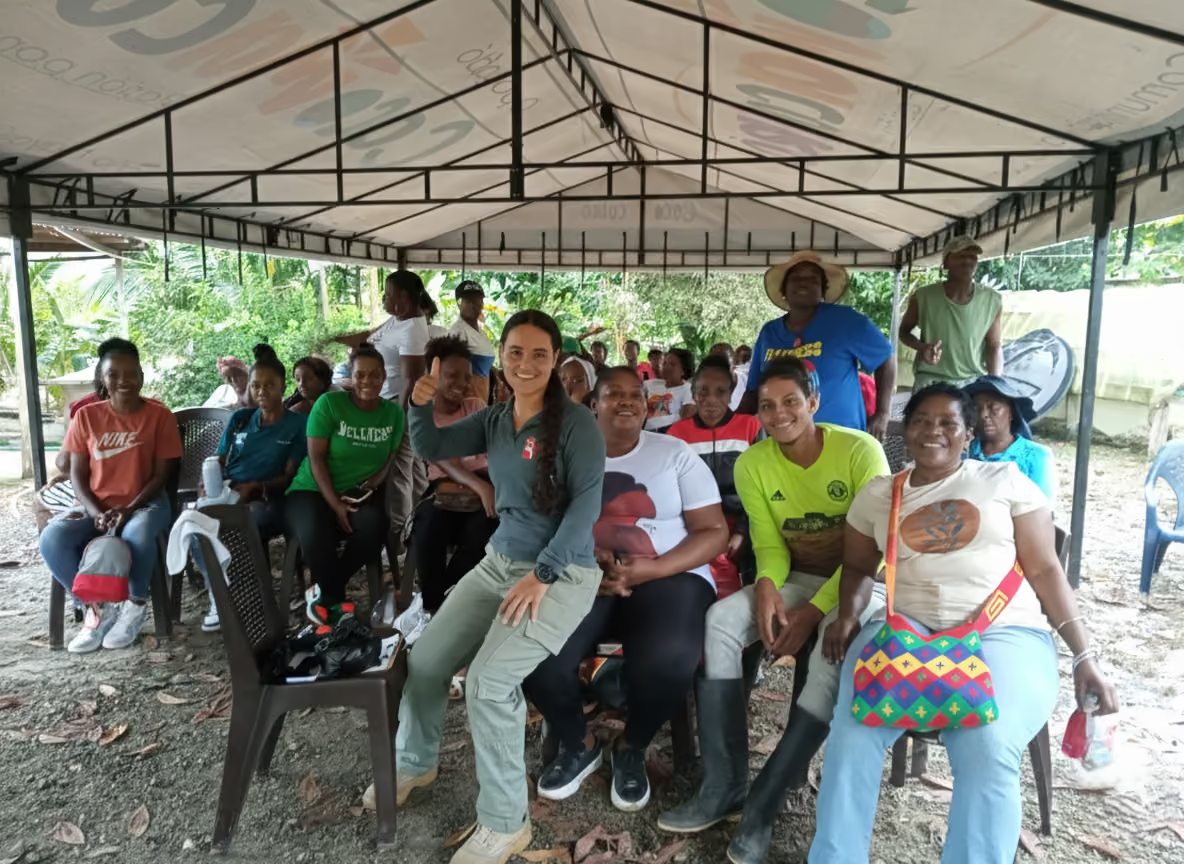
Workshops, training and organisational support across the 8 zones. Acadesan has built its own institutions since 1991. The project strengthens what is already there.
At a glance
ACADESAN protects and restores forest across Chocó through community-led governance and sustainable livelihoods. The project engages local Afro-Colombian communities in active forest stewardship, designed to generate verified carbon credits once certified, while strengthening land tenure and economic resilience.
Hectares protected
587,888 hectares of tropical humid forest under community governance. We are building towards the end of the project design document.
Annual carbon credits
Expected issuance of 1.35 to 1.65 million tonnes of CO₂ equivalent per year (conservative base to upper sensitivity per PIN MAY2026).
Project term
Twenty-year crediting period, renewable for another twenty by mutual agreement between ACADESAN and Mama Natura.
Communities involved
72 Afro-Colombian community villages organised across 8 operational zones, holding collective title since 2001.
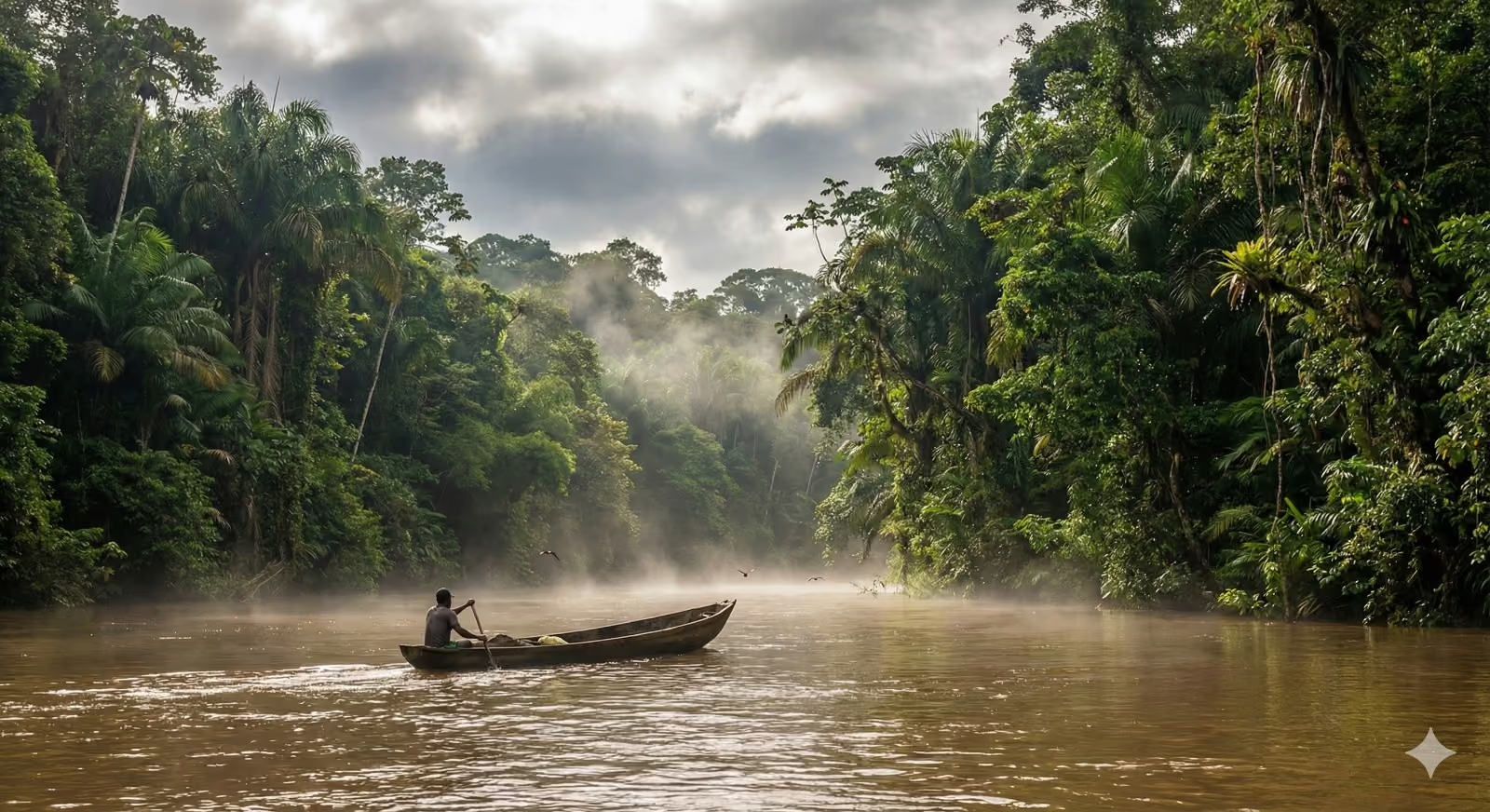
A forest at the edge of two worlds
Chocó is one of the world's most biodiverse regions and a global conservation priority. The project area contains pristine rainforest critical for carbon storage, species habitat and watershed protection.
Rainforest ecosystem
Tropical wet forest with exceptional species richness and carbon density in the canopy.
Biodiversity hotspot
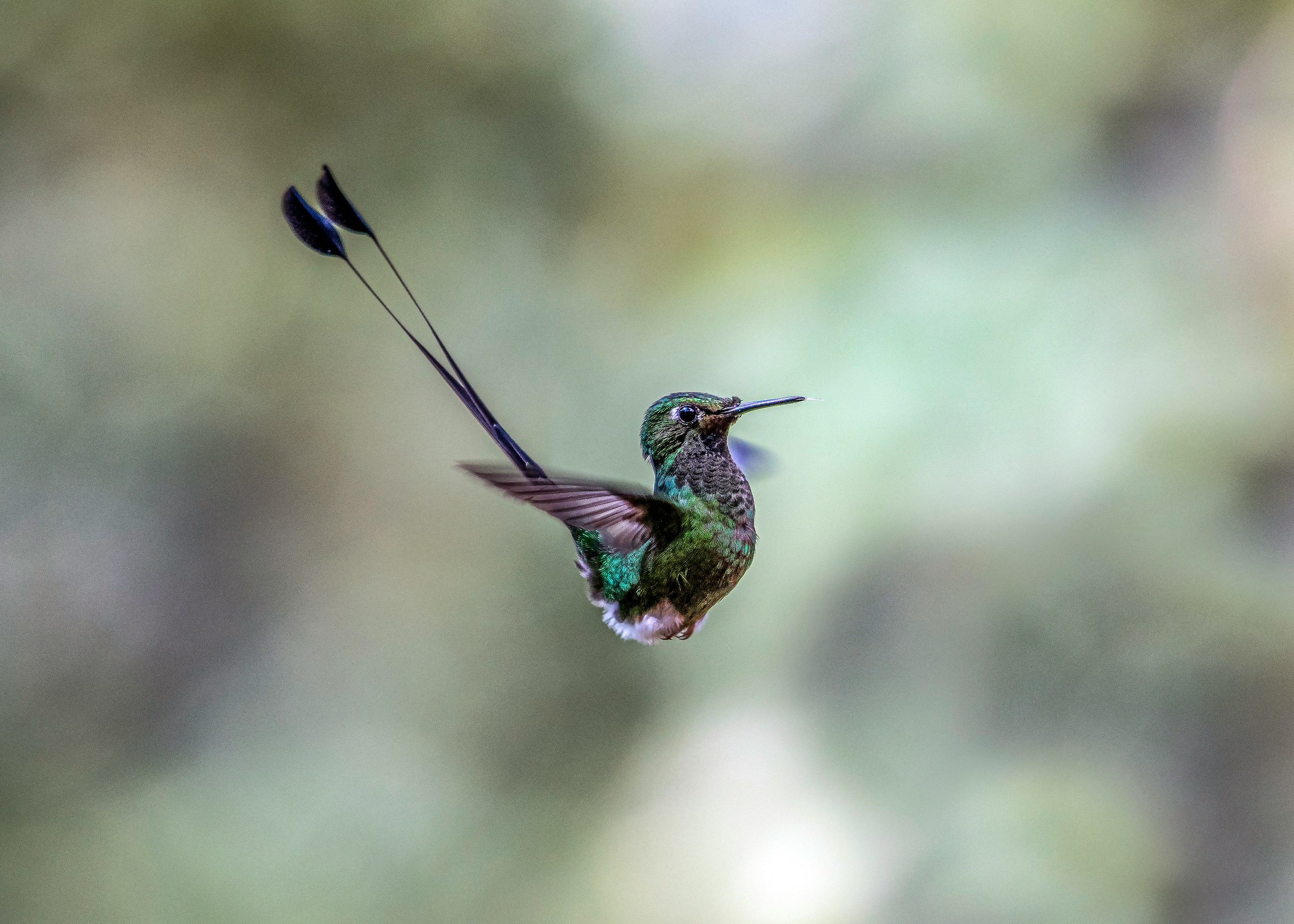
Home to endemic species found nowhere else, including jaguars, harpy eagles and rare amphibians.
Watershed services
Forest regulates water cycles for downstream communities and supports regional precipitation patterns essential for agriculture.
Deforestation pressure
Illegal logging, cattle ranching and land conversion threaten the forest at rates exceeding national averages.
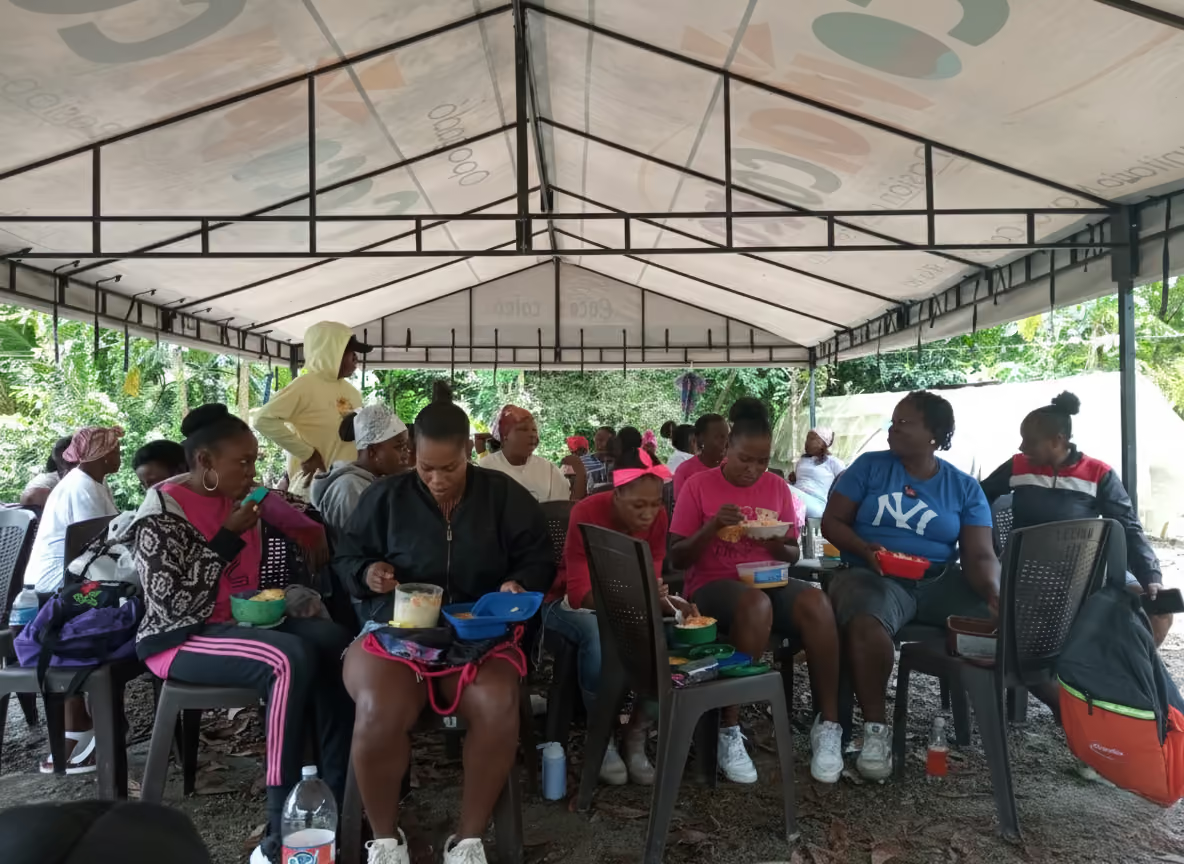
ACADESAN is not a project area. It is a council.
ACADESAN is governed by Afro-Colombian communities with legally recognised collective land rights. Decision-making is participatory, with communities controlling project direction and benefit allocation.
Legal land rights
Communities hold formal titles to their territories, enabling them to make binding decisions on land use.
FPIC process
Free, prior and informed consent was obtained through extensive community consultation before project design.
Participatory governance
Communities meet regularly to review project performance, approve activities and decide on revenue use.
Benefit control
Communities directly control 75 % of carbon revenue and decide allocations through democratic processes.

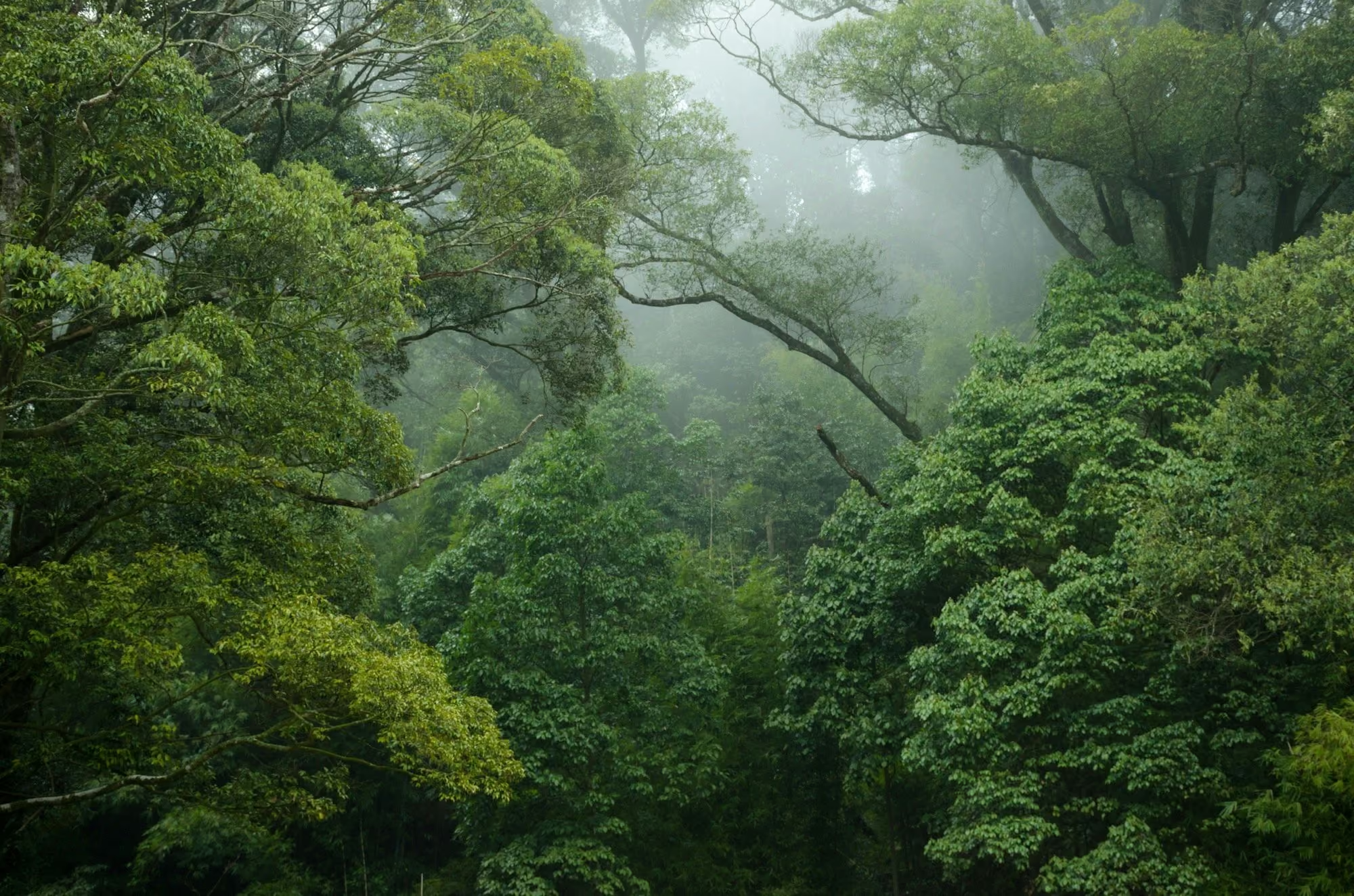
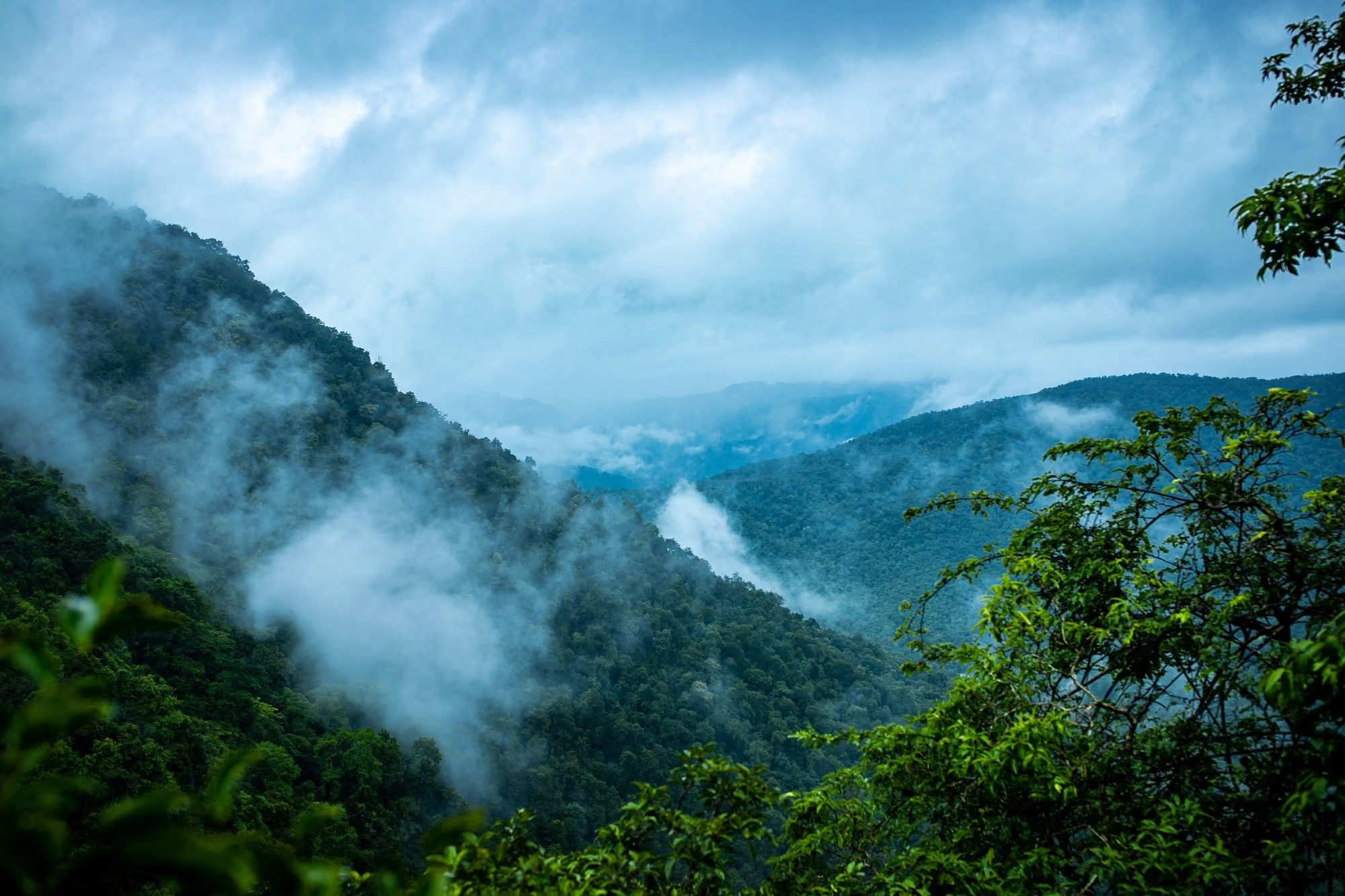

Four pressures and one quiet response
ACADESAN's baseline establishes what would happen without carbon revenue, demonstrating that forest protection at this scale would not occur. Independent verification will confirm additionality against financial, institutional and policy barriers.
Baseline methodology
Rigorous analysis of counterfactual scenarios without project intervention.
Additionality proof
Third-party verification will confirm that carbon revenue is essential to project viability.
Leakage mitigation
Community enforcement and land tenure security prevent displacement of deforestation pressure to adjacent areas.
Permanence strategy
Twenty-year crediting period, renewable for another twenty, with legal protections under Law 70 of 1993 and community governance ensuring long-term forest retention and carbon storage.
Three lines of work. One territorial plan.
ACADESAN combines forest protection with livelihood development. Communities conduct regular patrols, work with enforcement partners and pursue sustainable income from agroforestry and cacao cultivation.
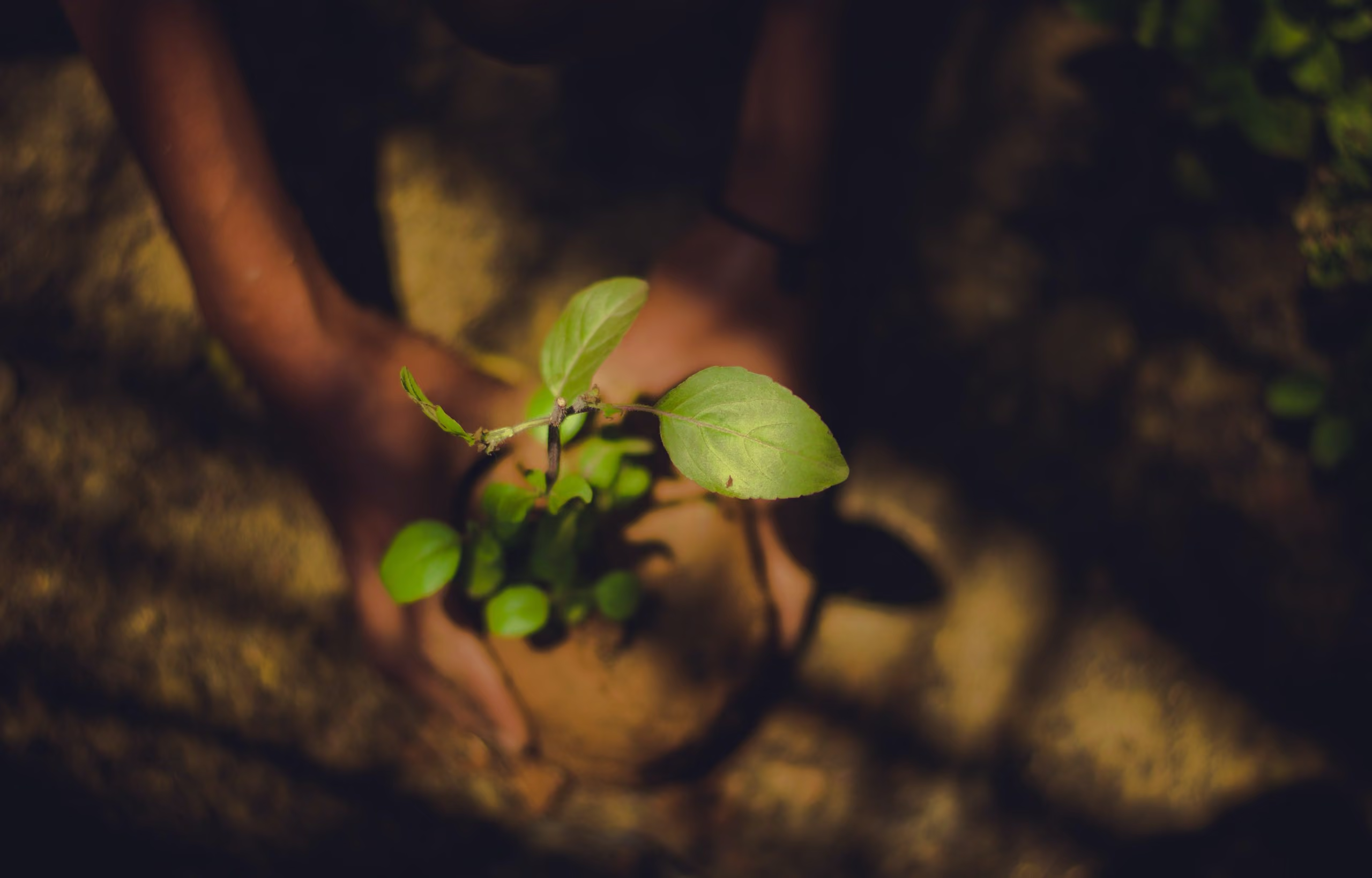
Forest patrols
Community monitors conduct regular surveillance to detect and report illegal logging and land encroachment.
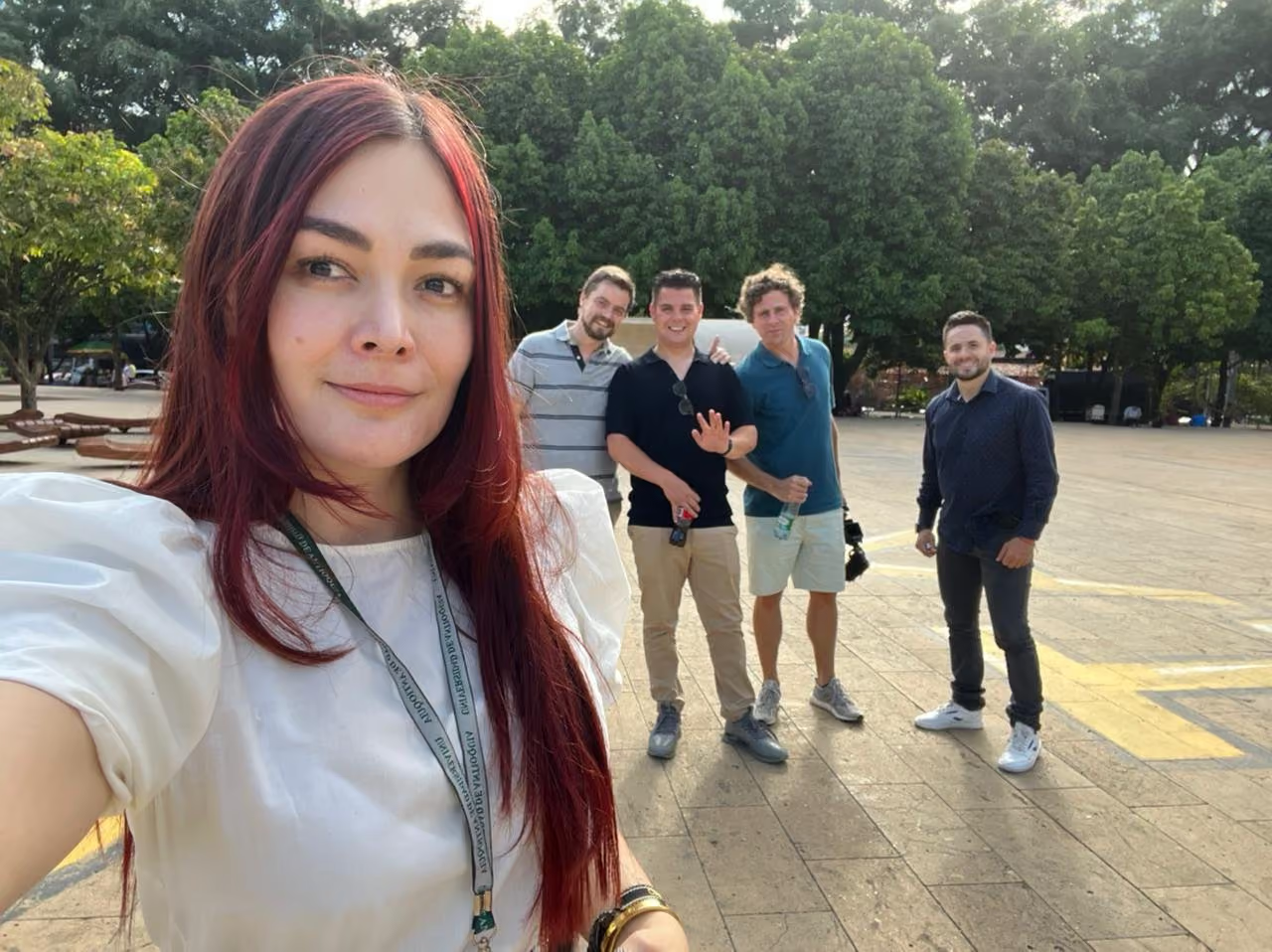
Enforcement support
Partnerships with local authorities strengthen capacity to respond to threats and prosecute violations.
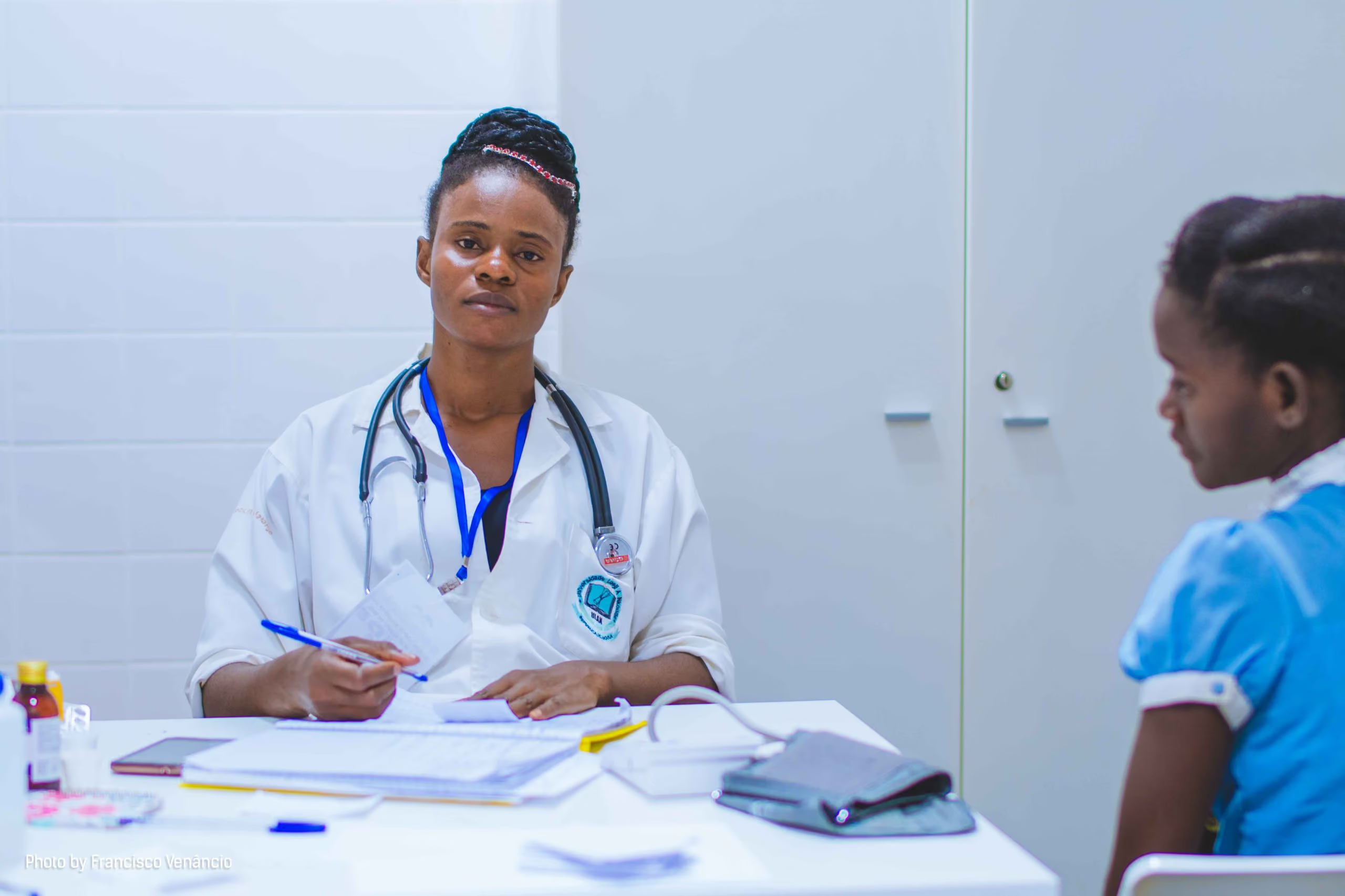
Sustainable livelihoods
Agroforestry systems and shade-grown cacao provide income whilst maintaining forest cover and biodiversity.
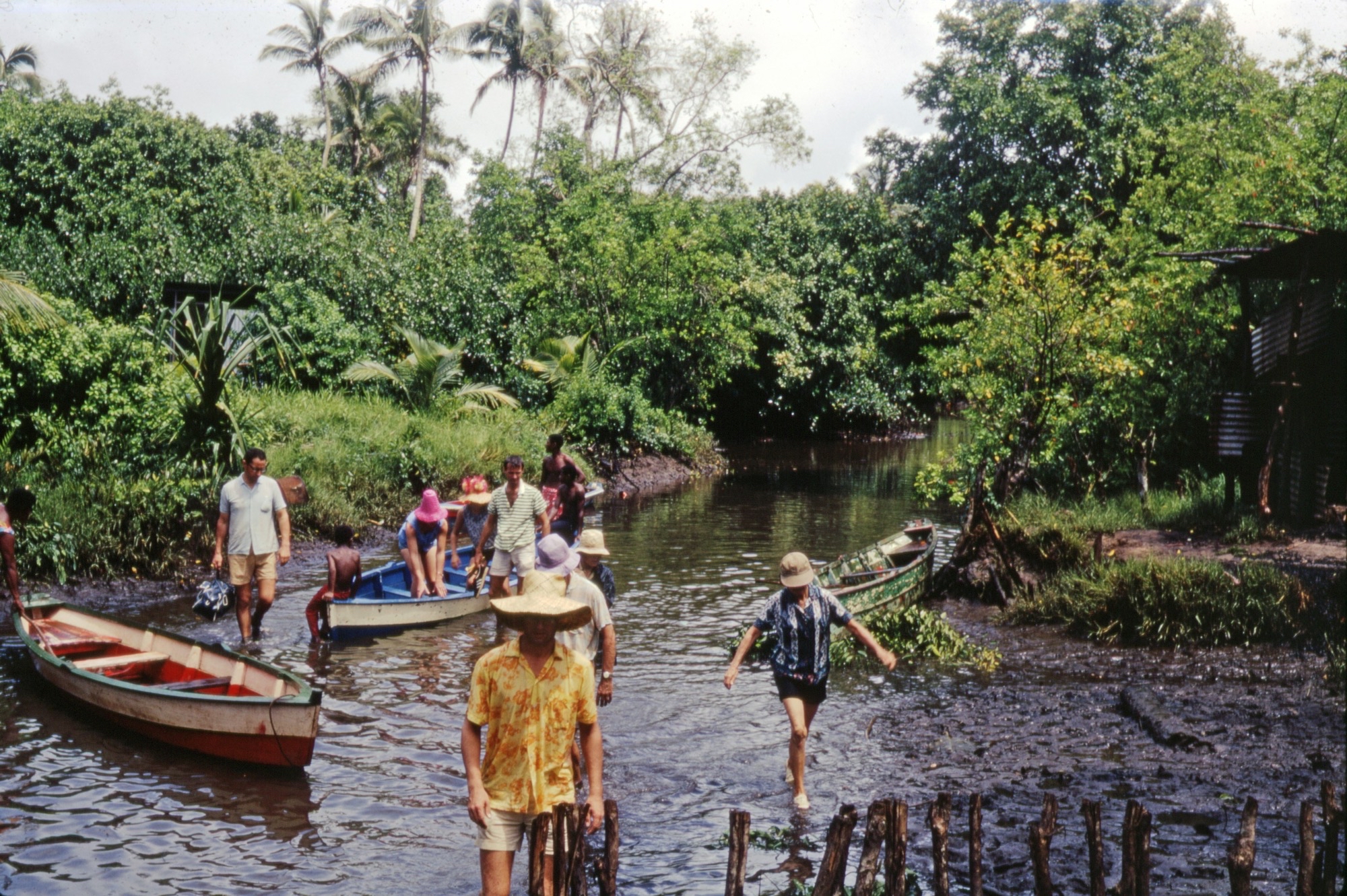
Restoration sites
Targeted reforestation in degraded areas accelerates recovery and increases carbon sequestration potential.



Five levels of decision-making, with the council at the top
ACADESAN will distribute 75% of carbon revenue directly to communities, who will decide spending through democratic assemblies. The remaining 25% will support project administration, monitoring and verification.
Seventy-five per cent allocation
Communities receive majority of revenue and control spending decisions through participatory governance.
Community assemblies
Regular meetings allow communities to review finances and approve spending on priorities like education and infrastructure.
Transparency mechanisms
Annual financial reports are shared with communities and made available in the public register for accountability.
Spending priorities
Communities allocate funds to healthcare, education, productive projects and forest management as they determine.


How carbon becomes protection
ACADESAN is built for rigorous third-party verification aligned with Plan Vivo standards. Monitoring data is collected continuously and will be submitted for annual assessment before credit issuance.
Plan Vivo pathway
Project follows Plan Vivo methodology with rigorous requirements for additionality, permanence and social safeguards.
Annual verification
Independent auditors assess monitoring data and project performance each year before credit issuance.
Key documents
Project identification note, maps, monitoring plan and safeguards summary are available through due diligence access.
Verification statements
Third-party verification reports will be published to demonstrate compliance with Plan Vivo standards and requirements.


A project built carefully, step by step
Once certified, ACADESAN credits will be issued annually following verification, each carrying a unique serial identifier. Retirement will be tracked in the public register to prevent double counting and ensure accountability.
Vintage approach
Credits represent carbon sequestered in the year issued, with clear vintage dating for traceability.
Annual issuance
Once the project is validated, verified credits are issued annually following independent assessment and Plan Vivo approval.
Serial identification
Each credit carries a unique serial ID enabling tracking from issuance through retirement in the registry.
Registry transparency
In future, all issued and retired credits will be recorded in the public transparency register for full accountability.
ACADESAN's documentation provides the foundation for due diligence and verification. The Project Design Document outlines the full scope, governance structure and baseline methodology. Detailed maps show the project area, community territories and monitoring zones. The monitoring plan describes how carbon stocks, forest cover and community activities are tracked annually. The safeguards summary documents how ACADESAN meets social and environmental standards, including Free Prior Informed Consent, benefit sharing and biodiversity protection. Once validation is complete, third-party verification statements will confirm compliance with Plan Vivo requirements and demonstrate additionality and permanence. Documents are available through the due diligence process, with key materials also accessible in the public transparency register. This documentation enables partners to conduct thorough assessment and make informed decisions about engagement with ACADESAN credits.
Questions
Find answers to common questions about ACADESAN and our verification process.
ACADESAN is being developed under the Plan Vivo standard, a community-led methodology that prioritises local governance and benefit sharing. The project is currently pursuing PV Climate certification — we are building towards the end of the project design document, and the project is not yet certified. Once validated, it will operate under Plan Vivo's full requirements for additionality, permanence and social safeguards.
Each credit issued carries a unique serial identifier and is registered in the public transparency register. Retirement is tracked to ensure no credit is sold or claimed twice and we maintain strict accounting across all registry systems.
Our baseline analysis demonstrates that without carbon revenue, forest protection would not occur at this scale. We document the financial, institutional and policy barriers that make the project additional; these will be verified by independent third parties during validation.
You may reference retired credits in your climate commitments and ESG disclosures, aligned with VCMI and ICVCM guidance. We provide standardised claims language and documentation to support your reporting requirements.
After validation, independent verification takes place annually, with full audits every three years. Monitoring data is collected continuously and submitted to Plan Vivo for assessment before credit issuance.
ACADESAN is our
largest project
Contact us for more detailed information about this project and how you can get involved.