Governance built to last
Robust safeguards and transparent structures underpin every Plan Vivo project, delivering credibility for legal and ESG teams.
How decisions are made and verified
Mama Nature operates through nested governance layers. Community councils hold decision-making authority at the project level. Regional assemblies coordinate across multiple sites. Project committees manage day-to-day operations and monitoring. Mama Nature provides oversight, ensuring compliance with Plan Vivo standards and international safeguards.
Community councils
Regional assemblies
Project committees
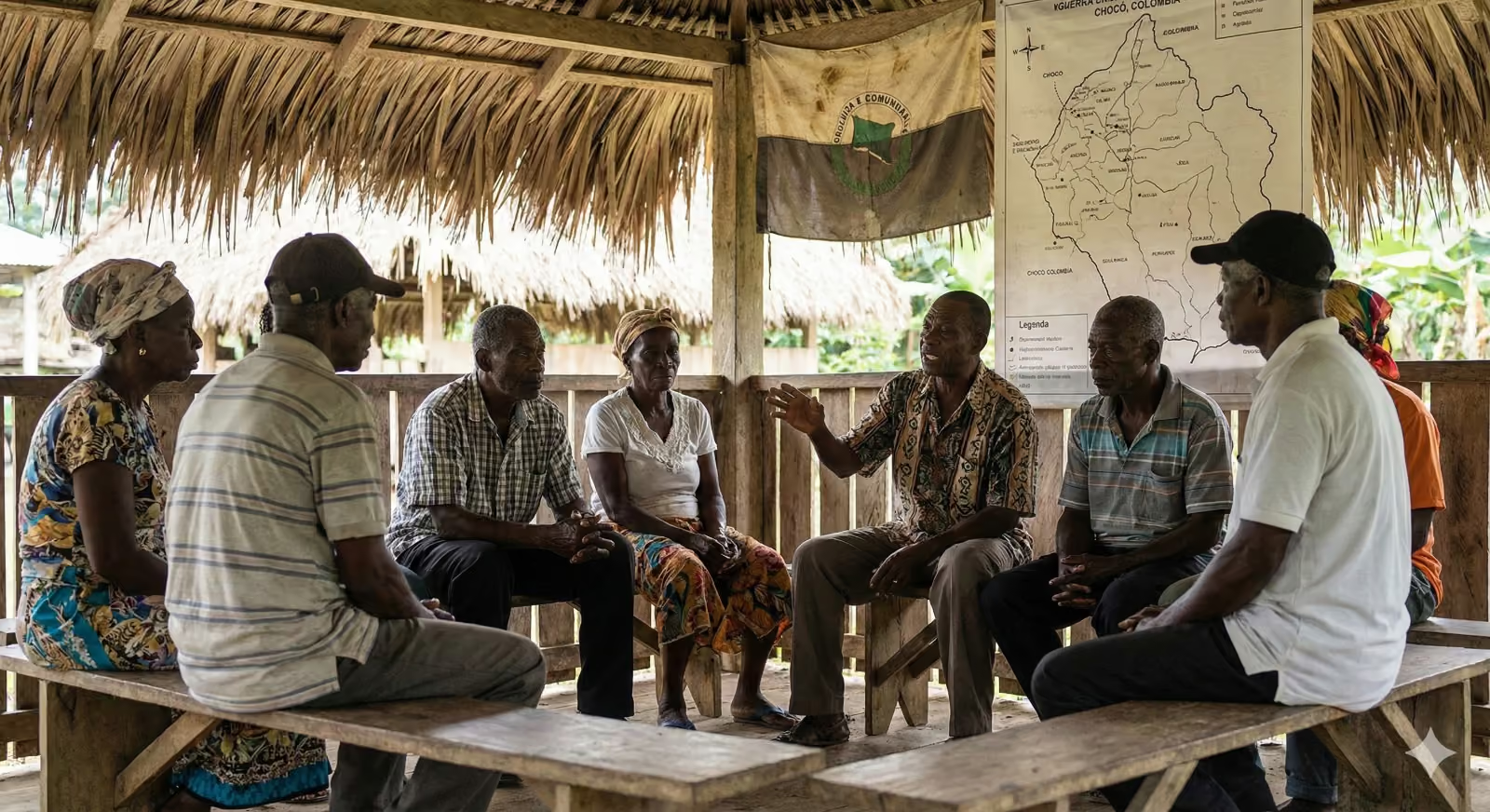
Communities decide what happens on their land
Free, Prior and Informed Consent is not a box to tick. It is the foundation of every project. Communities receive full information about proposed activities, timelines and benefits before any work begins. Participation is voluntary and documented at each stage.
Initial consultation meetings and written materials
Formal consent records signed by community representatives
Ongoing dialogue through project committees and assemblies

Risk screening and grievance mechanisms
Safeguards prevent harm and address concerns.
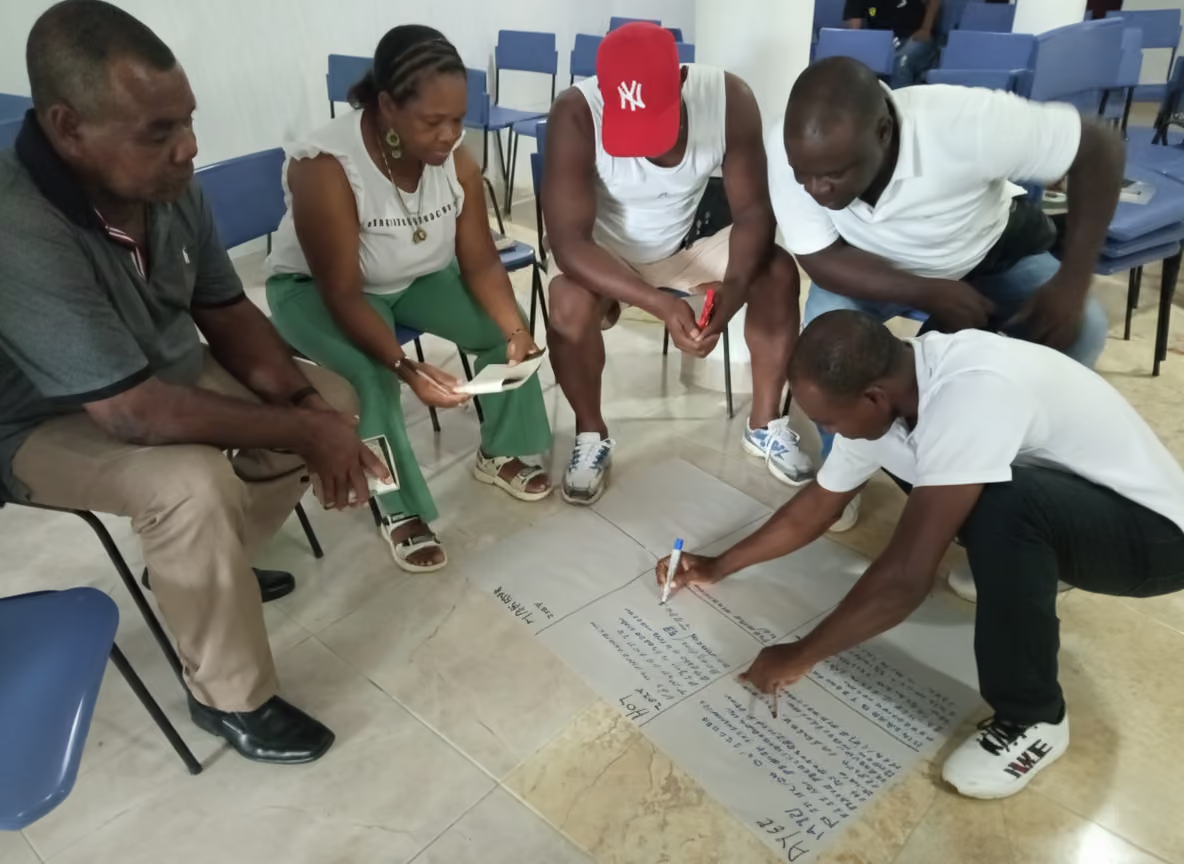
Assessment of land tenure, indigenous rights and community vulnerability
Every project undergoes social and environmental risk assessment before approval. Potential conflicts are identified and mitigated from the start.
Environmental screening
Biodiversity impact analysis and ecosystem service evaluation
Grievance mechanism
Communities can raise concerns confidentially and receive timely resolution
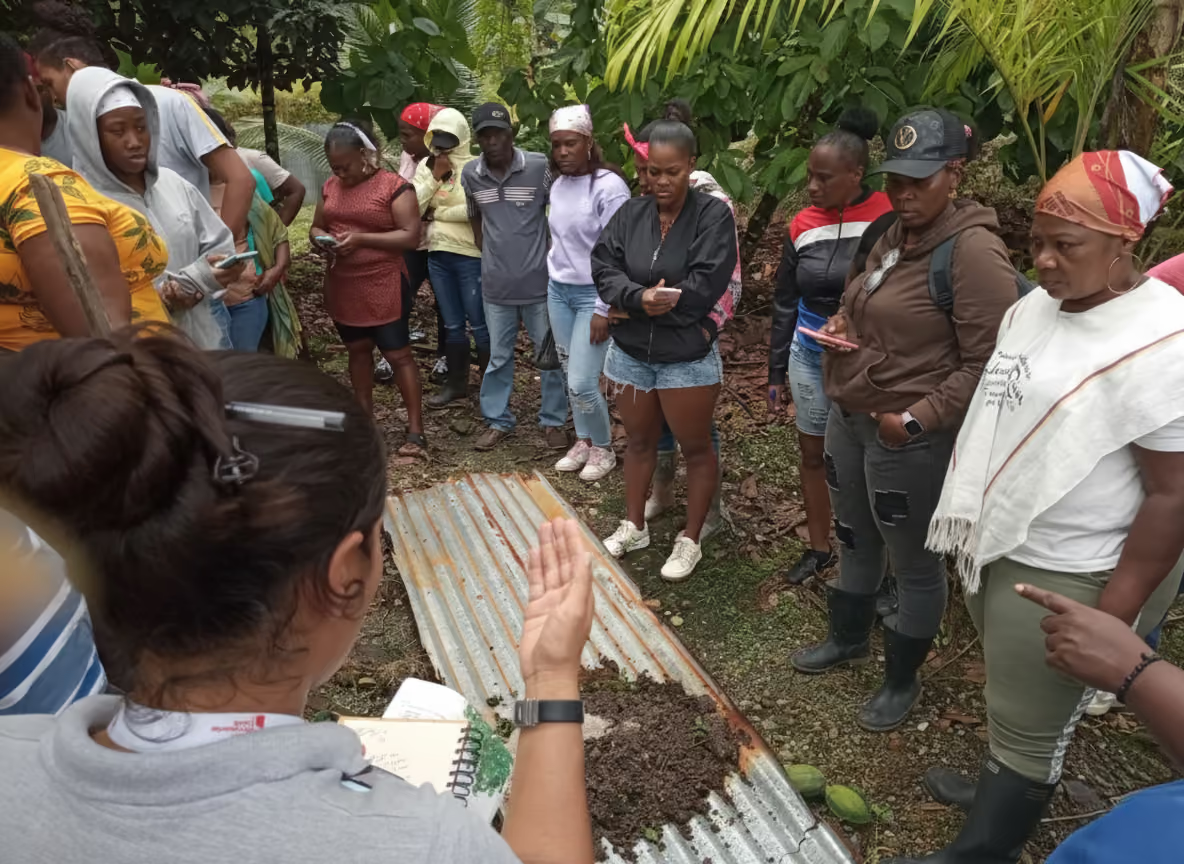
Gender and conflict-sensitive project design
Women and marginalised groups participate in decision-making
How money reaches communities
Revenue flows are transparent and traceable.
Community councils determine fund use and priorities
Communities receive carbon revenue according to agreements established during FPIC. Councils decide how funds support local priorities, whether education, healthcare or conservation. All decisions are documented and reported quarterly.
Public and private transparency layers
Some information is public. Some is protected.
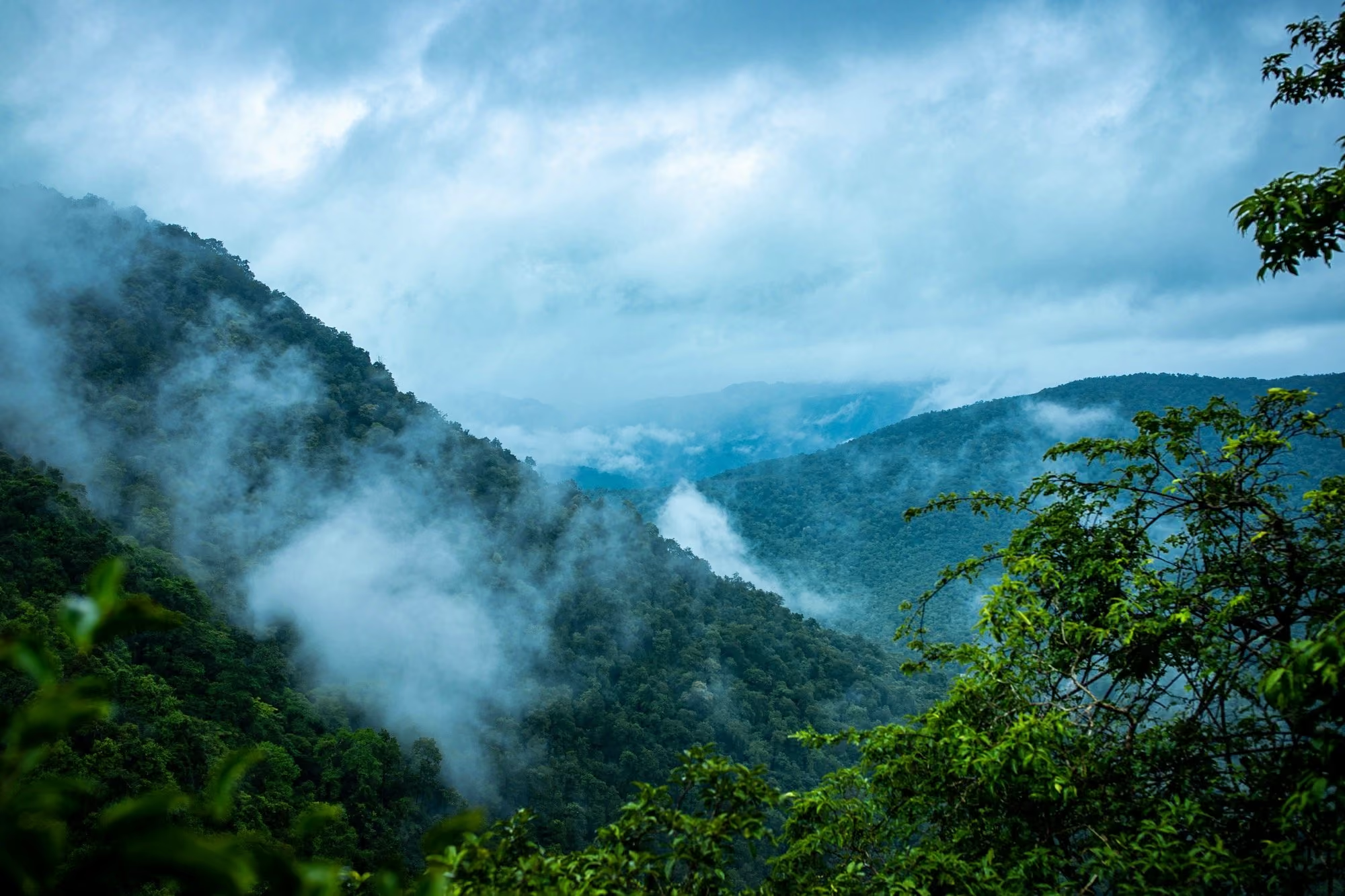
Project locations, community names and carbon credit volumes
The Public Transparency Register shows project details, credit issuance and retirement records. Anyone will be able to verify the integrity of Mama Nature credits and track their journey from project to retirement.
Partner data room
Detailed monitoring reports and verification statements for partners
Third-party verification
Independent auditors validate all monitoring and credit issuance claims

Annual verification and compliance audits
Verification statements will be published and available for review
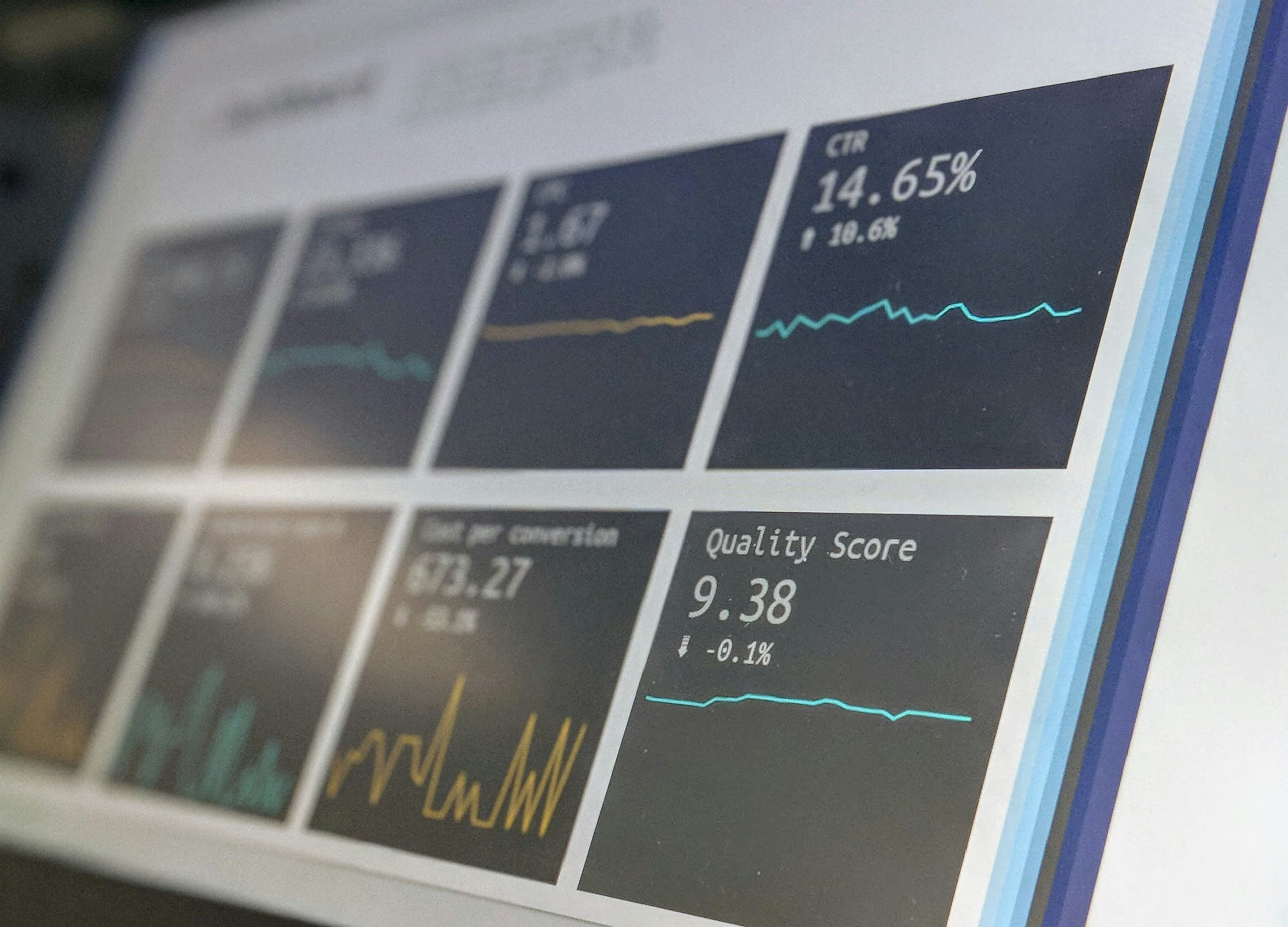
Independent audits validate every claim
Third-party verifiers will assess monitoring data and credit issuance annually. Verification statements will be published and available for legal review.
What auditors will find
Complete documentation for compliance and due diligence teams.

PDD documents and baseline data
Project identification numbers and initial community agreements available on request
Monitoring reports from field teams
Quarterly and annual reports tracking project progress and outcomes
Verification statements from independent auditors
Third-party validation of all carbon credit claims and calculations

Revenue allocation and payment records
Transparent ledgers showing how funds flow to communities

Certificates confirming credit retirement and permanence
Permanent records of retired credits and their environmental impact
FPIC consent records and community signatures
Documented proof of free, prior and informed consent from communities
Audit-ready documentation
Everything you need for due diligence and compliance review.