Forest conservation matters
Community-led Plan Vivo conservation across Colombia's Pacific coast. Explore our three projects: ACADESAN, La Voz de Los Negros and Chanzará & Alto Río Sequihonda.
Project map
Three conservation initiatives across Colombia's Pacific region
Measurable outcomes across the Plan Vivo Colombia portfolio
These metrics reflect measured conservation impact community participation and expected climate contribution. Each project undergoes rigorous baseline establishment, additionality assessment and once validated, annual verification to ensure credits represent genuine forest protection and social benefit.
Hectares under community governance
Communities directly engaged
Tonnes CO₂e expected annual issuance
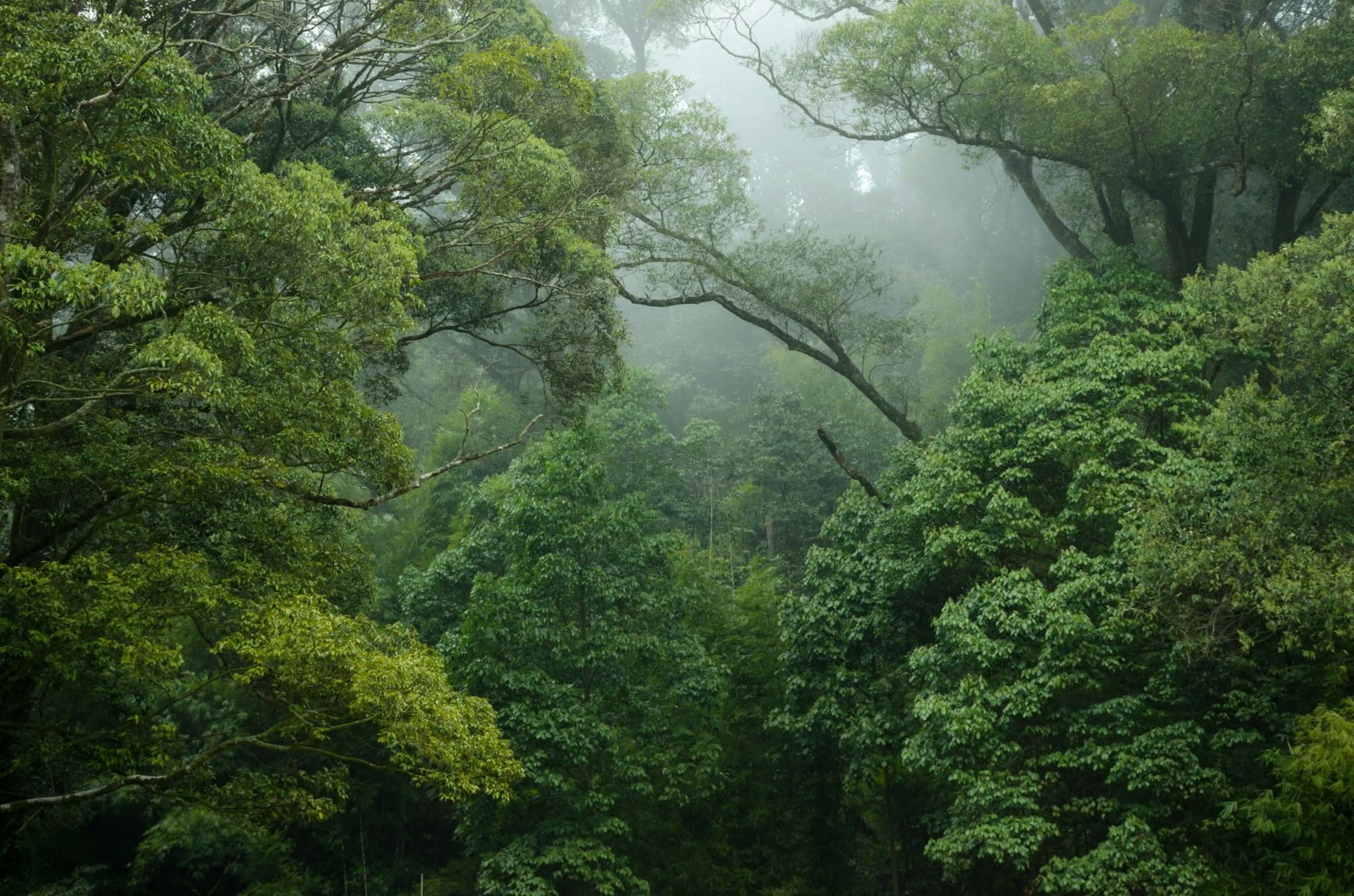
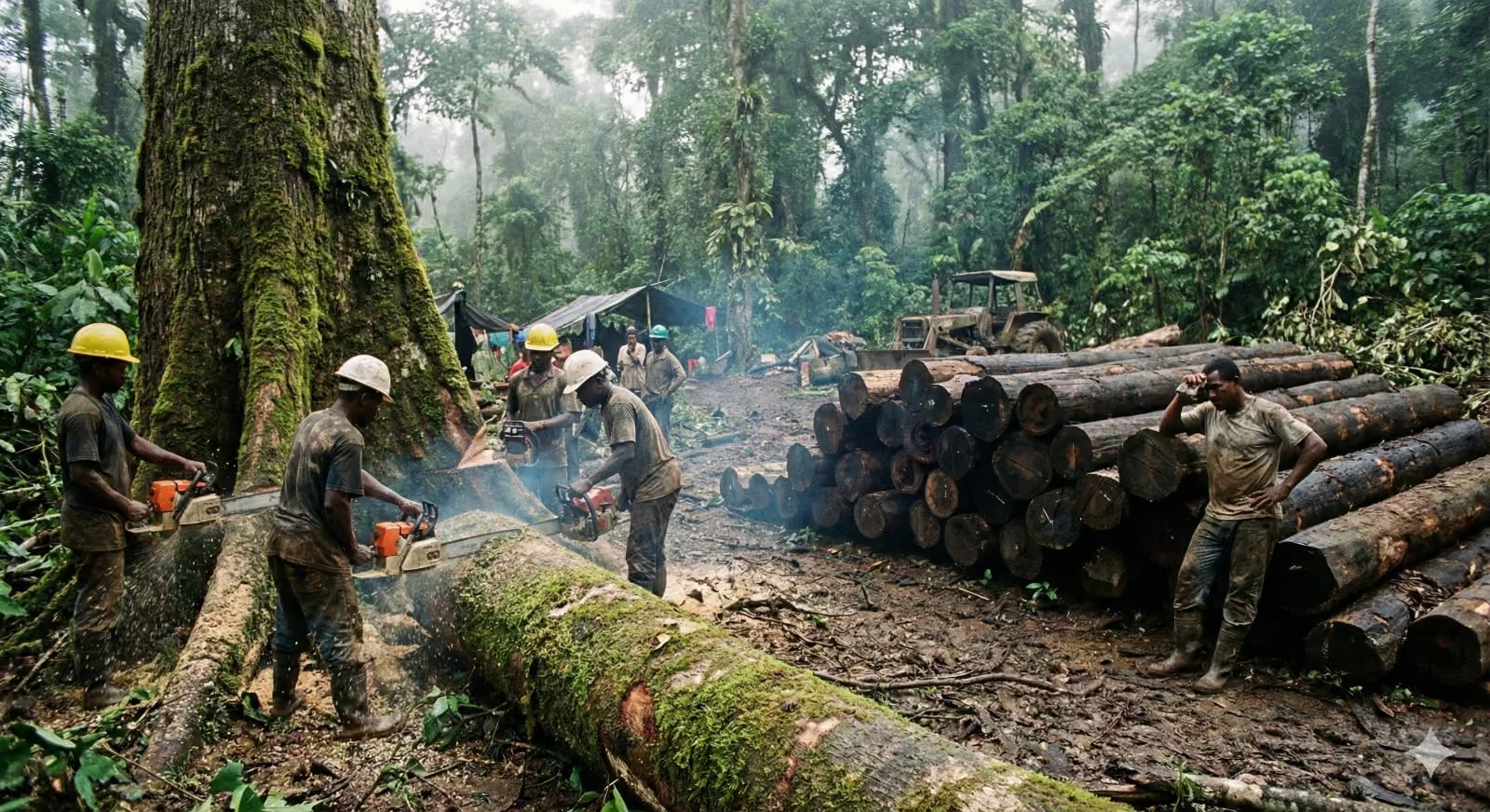
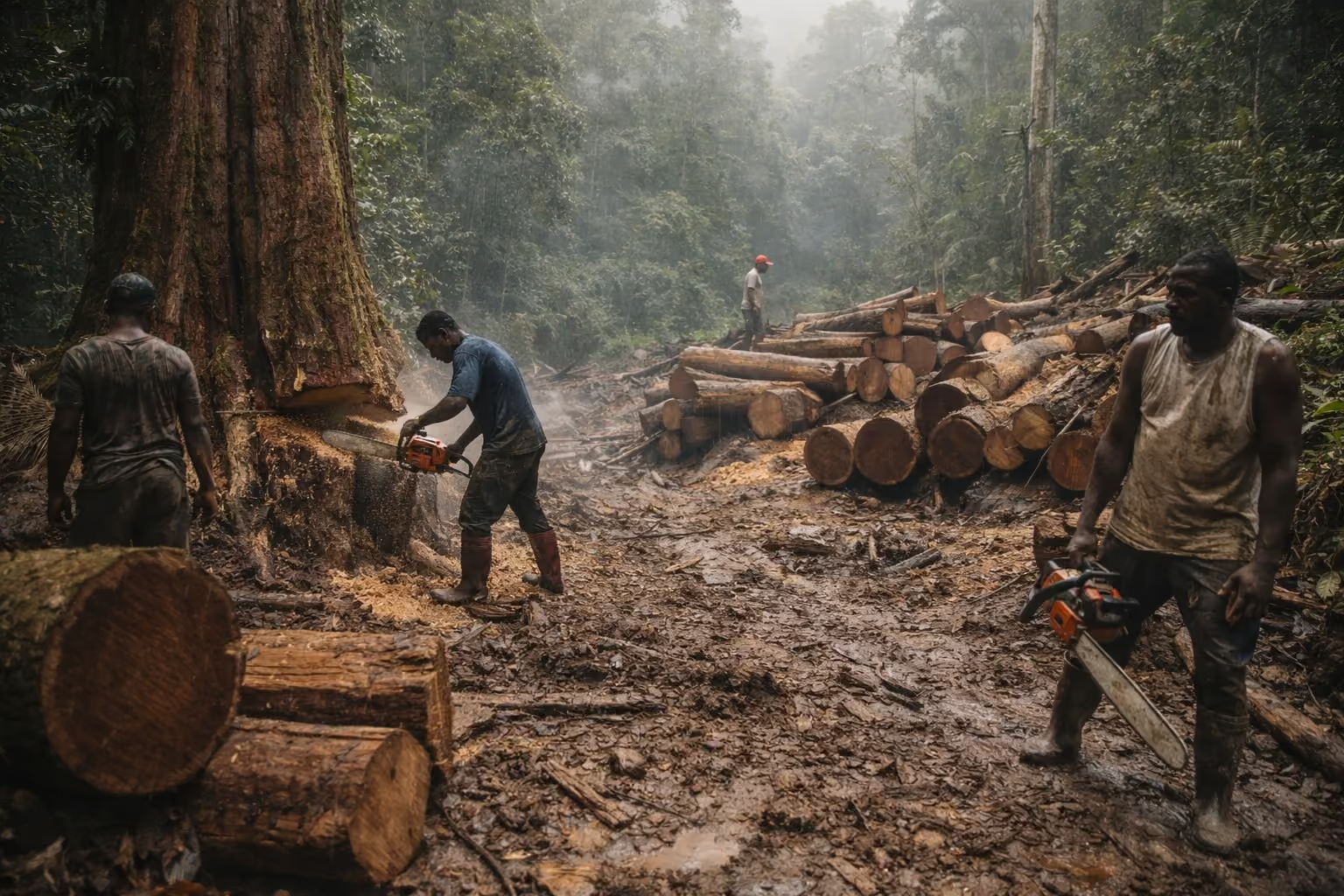
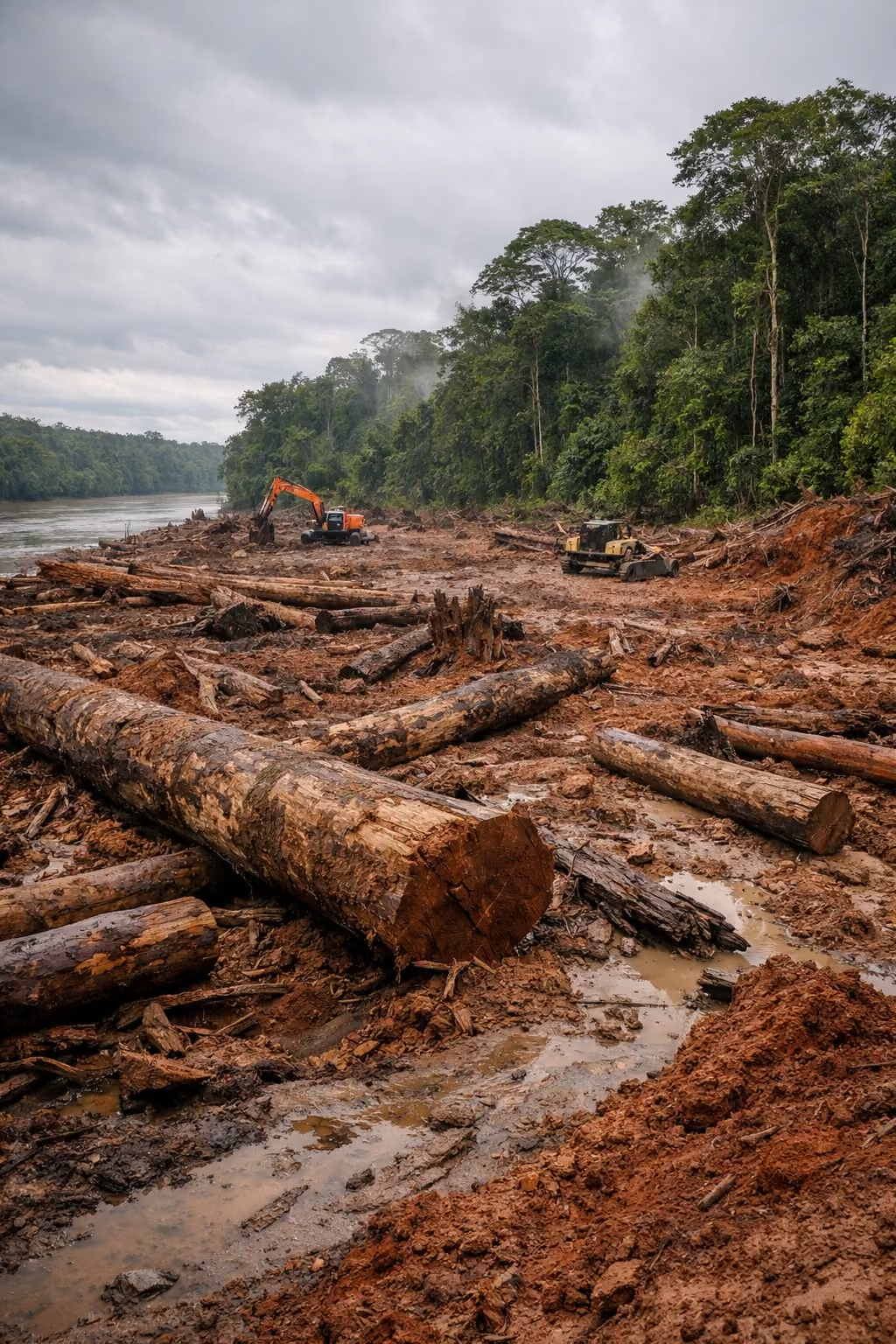
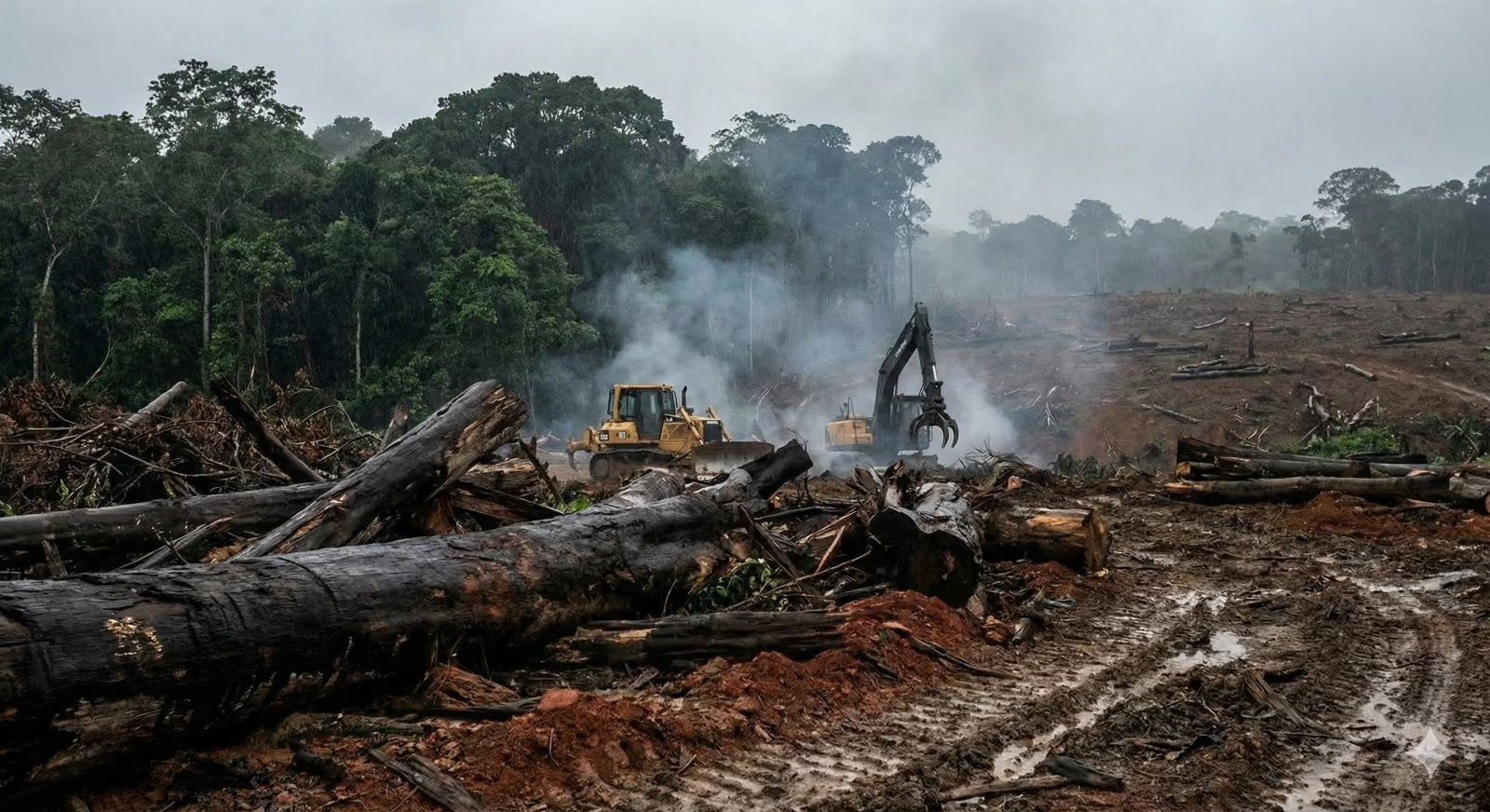
What drives forest loss here
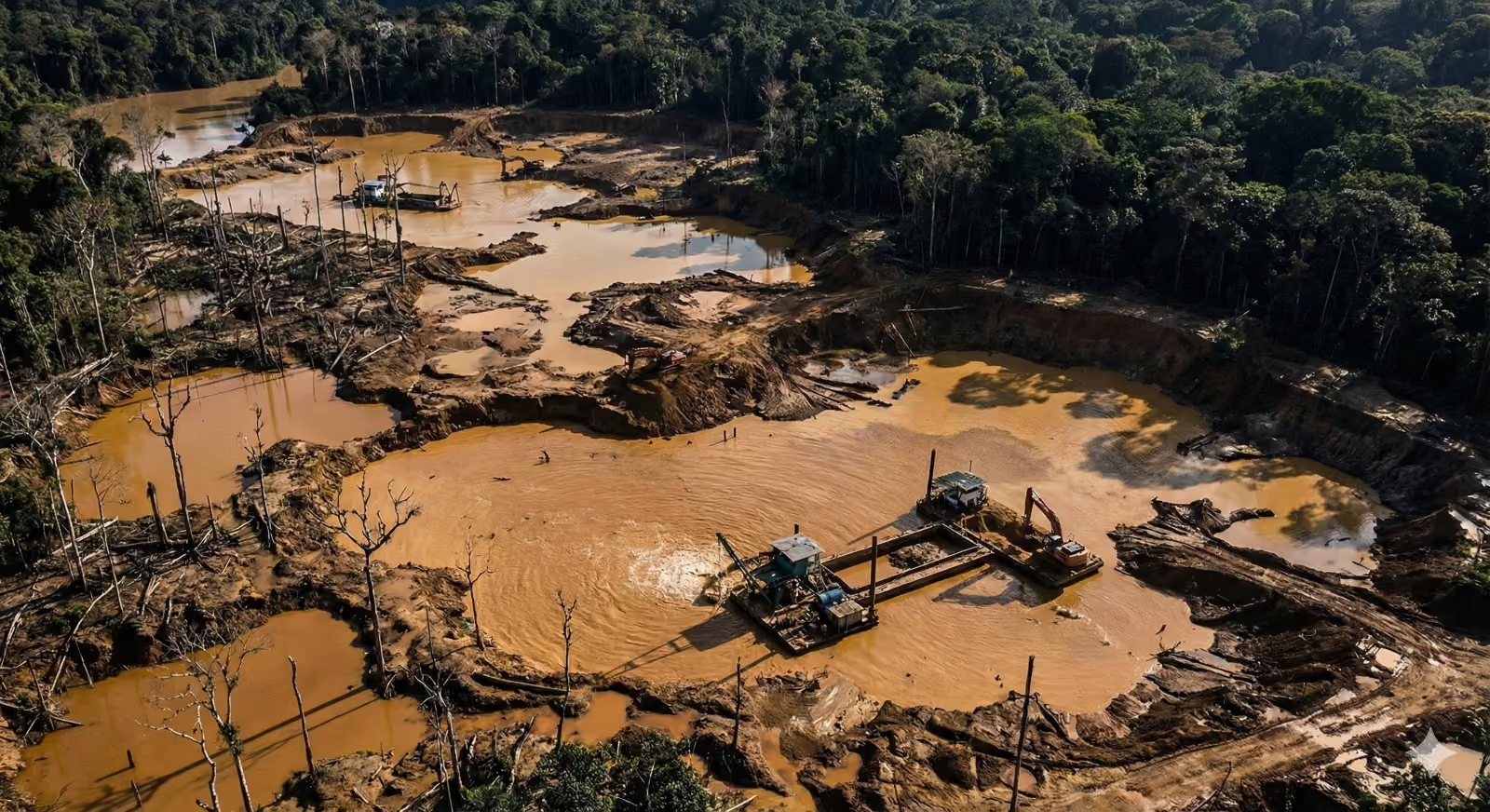
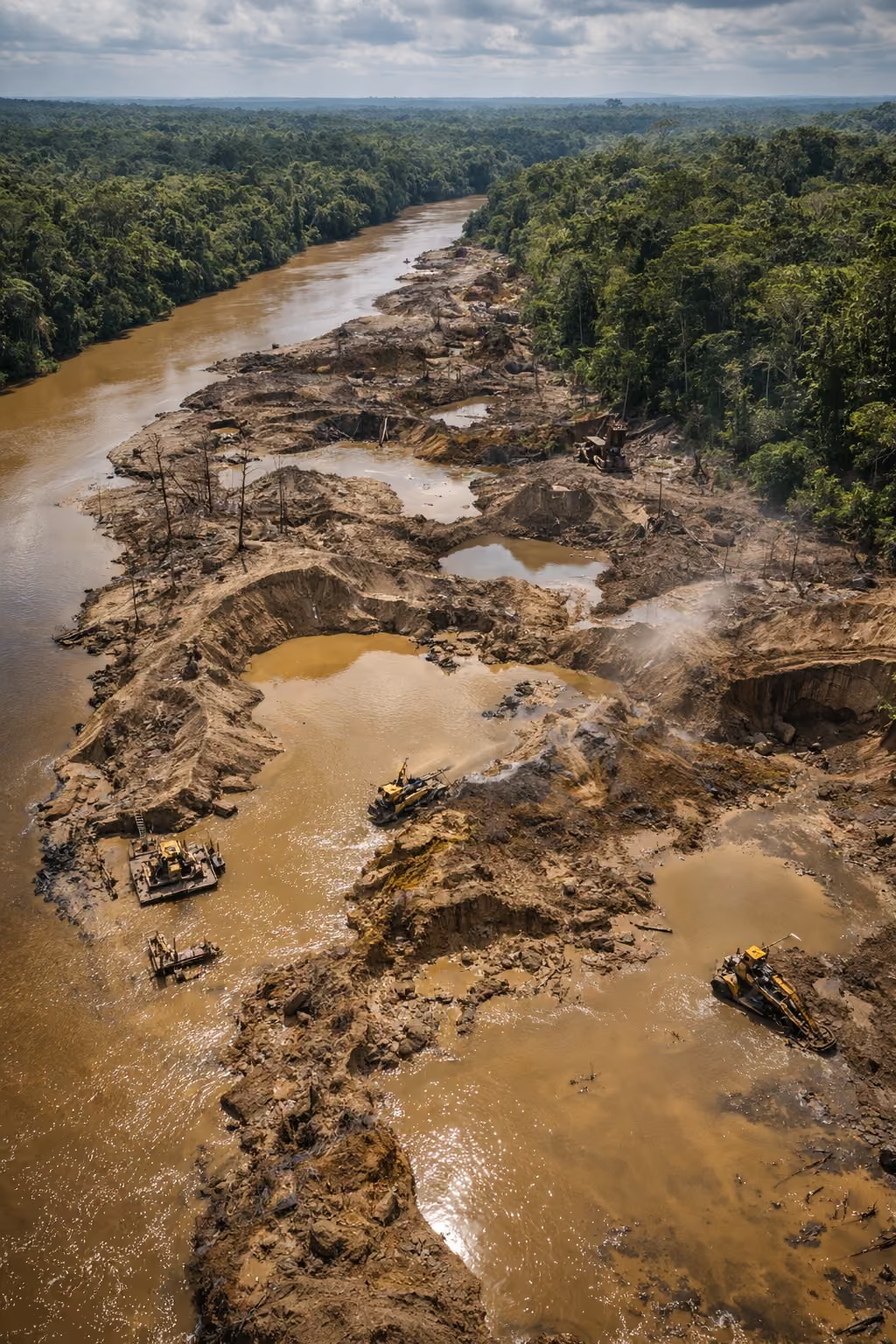
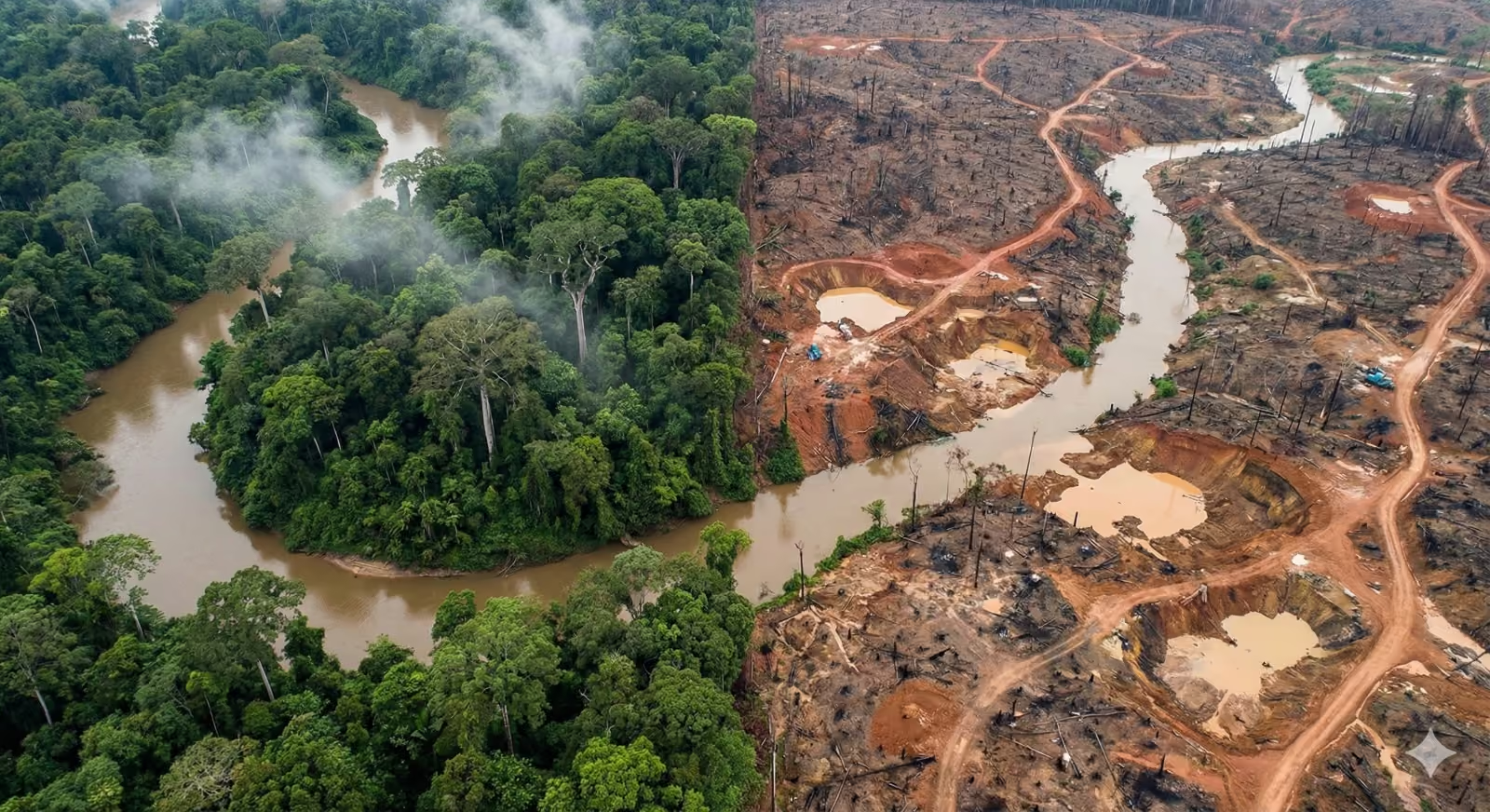
The Pacific region faces persistent pressure from illegal mining operations that degrade watersheds and displace communities. Land conversion for cattle ranching and agricultural expansion continues to fragment forest cover across the portfolio area.
Illegal mining degrades watersheds and soil
Unregulated mining operations contaminate water sources and destabilise riverbanks across Chocó and Nariño. Communities bear the environmental cost whilst ecosystems lose capacity to sequester carbon.
Cattle ranching drives forest conversion
Pasture expansion remains the primary driver of deforestation in the region. Large-scale land clearing for livestock production fragments habitat and reduces carbon stocks.
Illicit crops create economic pressure
Economic desperation in remote areas creates incentives for illicit cultivation. These activities compete directly with forest conservation and strain community resources.
Projects would not exist without carbon finance
Each initiative demonstrates that conservation would not occur under baseline conditions. Community agreements and land tenure security depend on revenue from verified carbon credits.
Long-term forest protection through legal safeguards
Community land titles and conservation agreements create binding commitments that extend beyond typical project timelines. Legal frameworks ensure forests remain protected even as market conditions shift.
Monitoring prevents displacement of deforestation
Satellite monitoring and community patrols track forest cover across project boundaries. Buffer zones and landscape-scale engagement reduce the risk that conservation efforts simply shift pressure elsewhere.
Public and partner access to project data
Mama Nature maintains dual transparency systems to serve both public accountability and commercial confidentiality. All projects undergo independent verification and appear in our public register.
Public register
Open access to project locations, verified carbon issuance, community engagement details and annual monitoring reports for all active initiatives.
Partner data room
Gated access for buyers and partners includes detailed baseline methodologies, risk assessments, financial models and audit trails for credit retirement.


How to evaluate projects for your needs
Each project offers distinct risk profiles, co-benefits and available volumes. Understanding these differences helps you select credits aligned with your climate commitments and impact priorities.
Risk profile
Compare baseline establishment rigour, permanence mechanisms, monitoring frequency and buffer pool contributions across projects.
Co-benefits
Evaluate biodiversity outcomes, watershed protection, community income and alignment with specific SDG targets for each initiative.
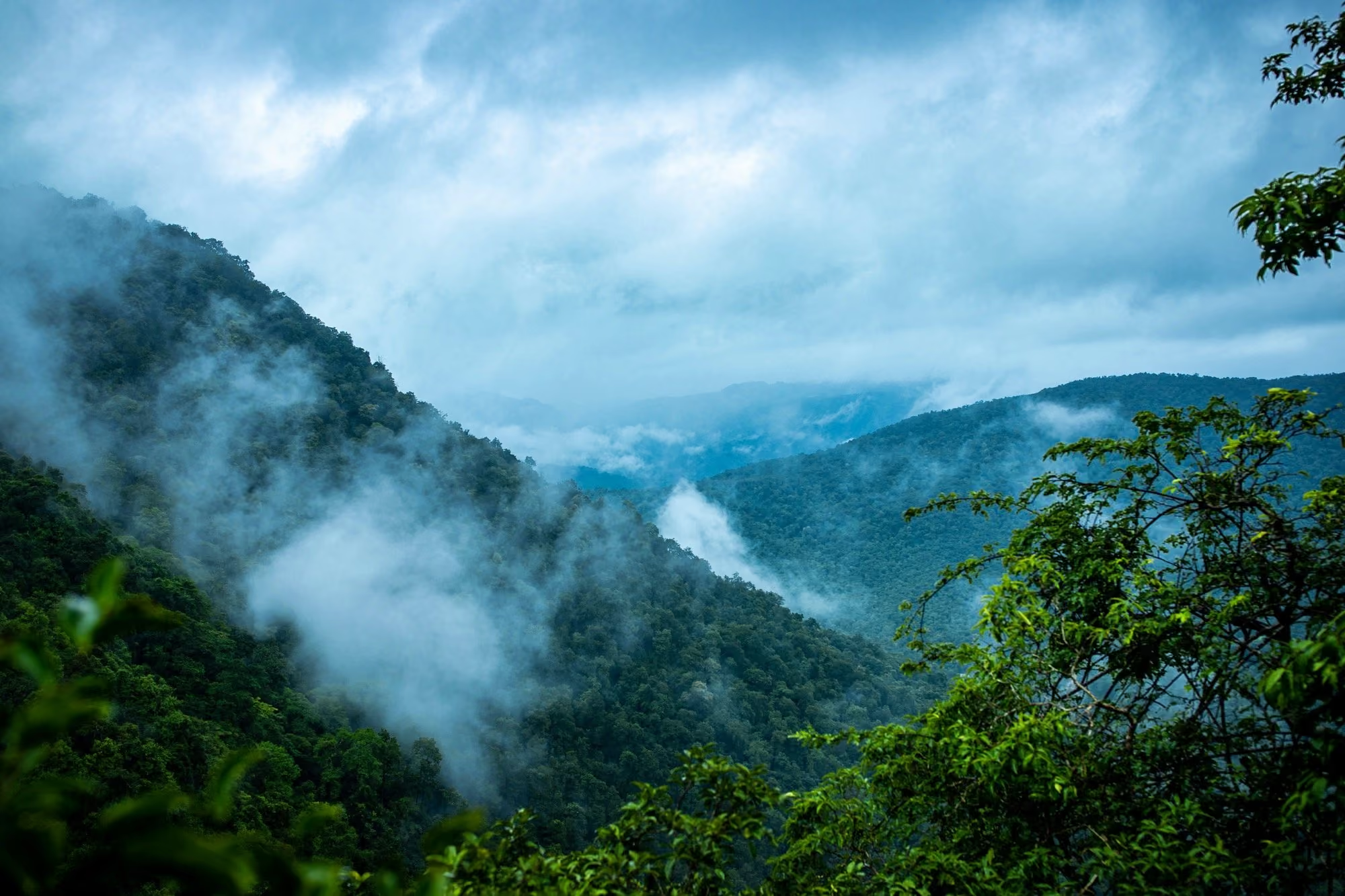
Active conservation across the Pacific
Each project addresses deforestation through community-led forest management
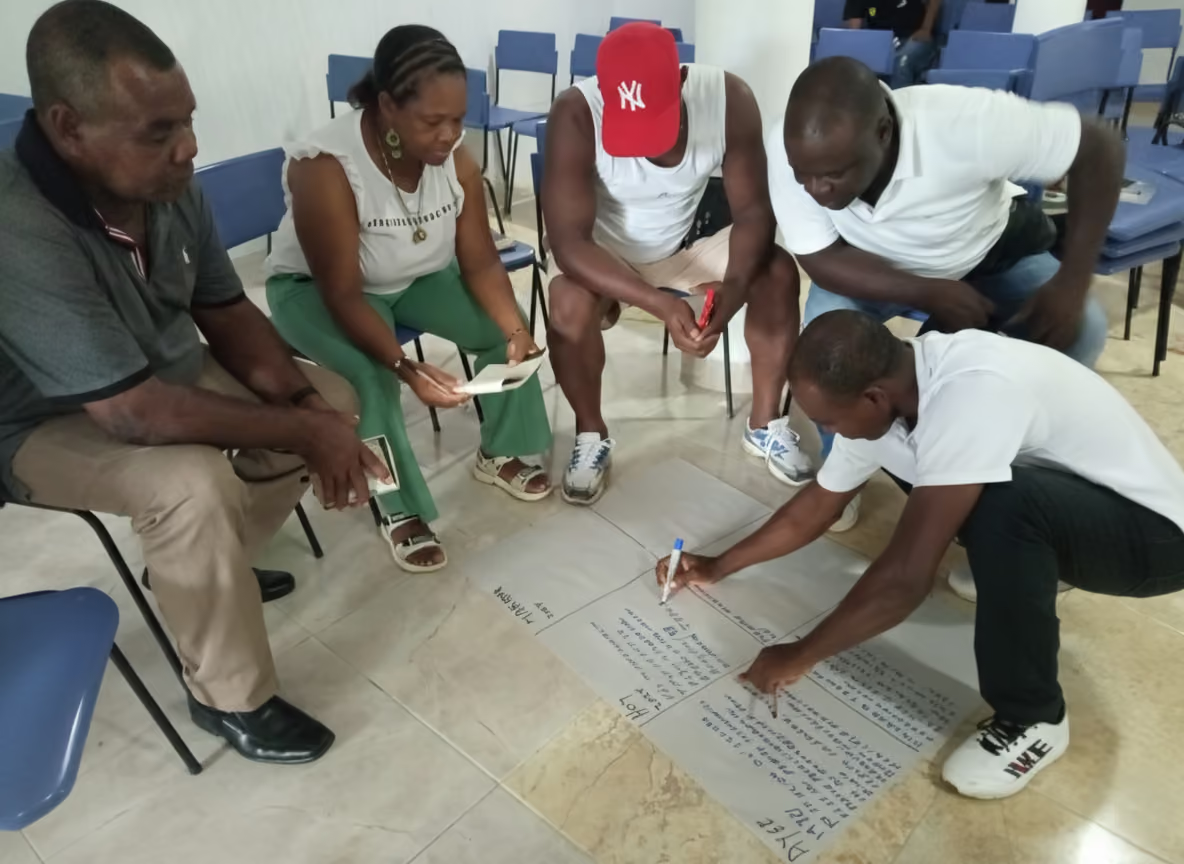
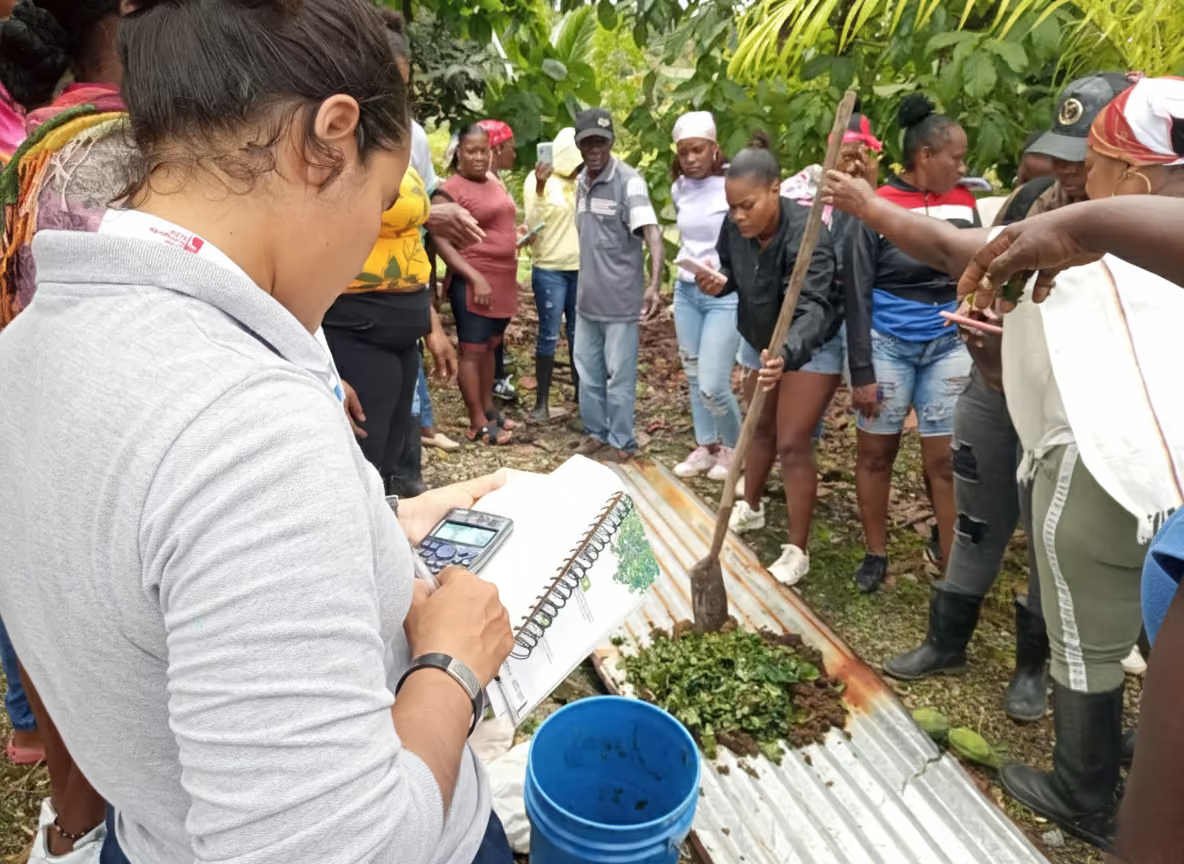
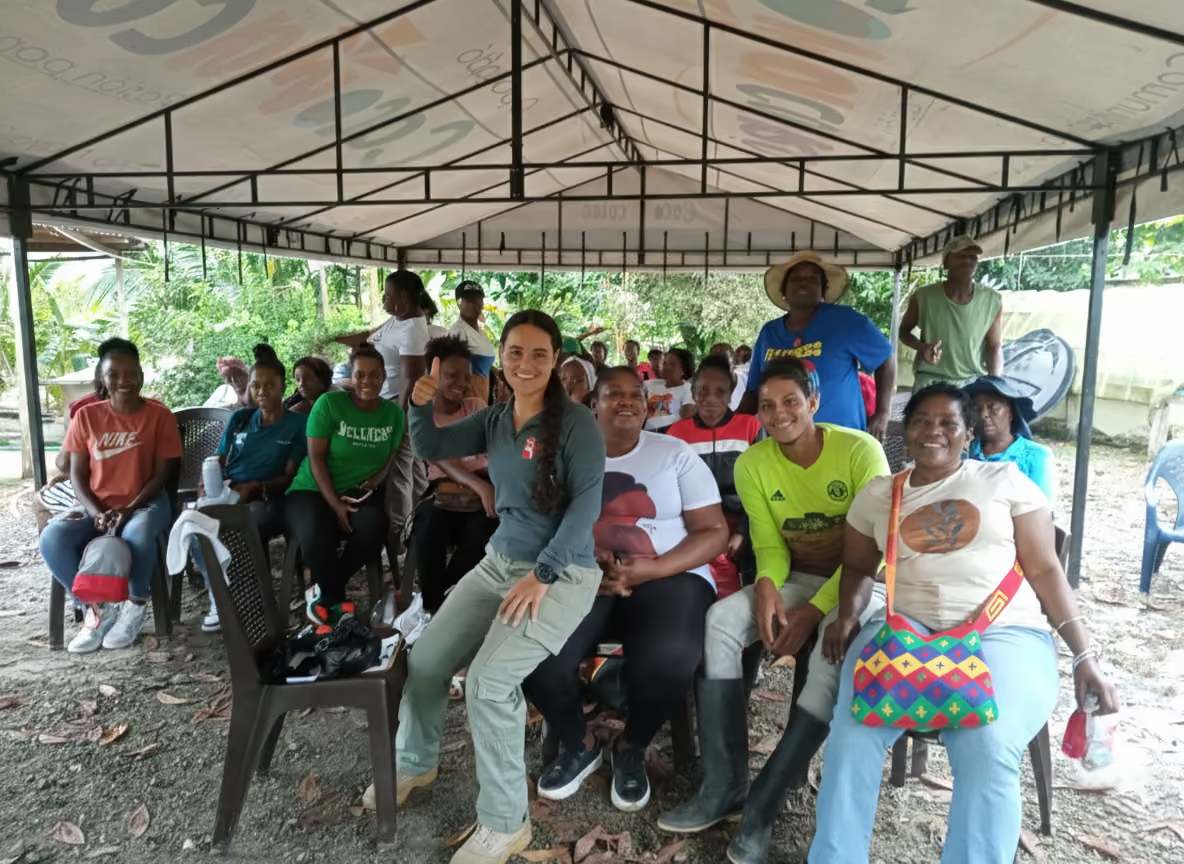
Ready to engage with these projects
Explore individual project details or request a comprehensive portfolio offer tailored to your needs