La Voz de Los Negros
The project at a glance
La Voz de Los Negros protects critical rainforest in Magüí Payán, governed entirely by Afro-Colombian councils. The project combines forest conservation with community-led livelihood development under the Plan Vivo framework.
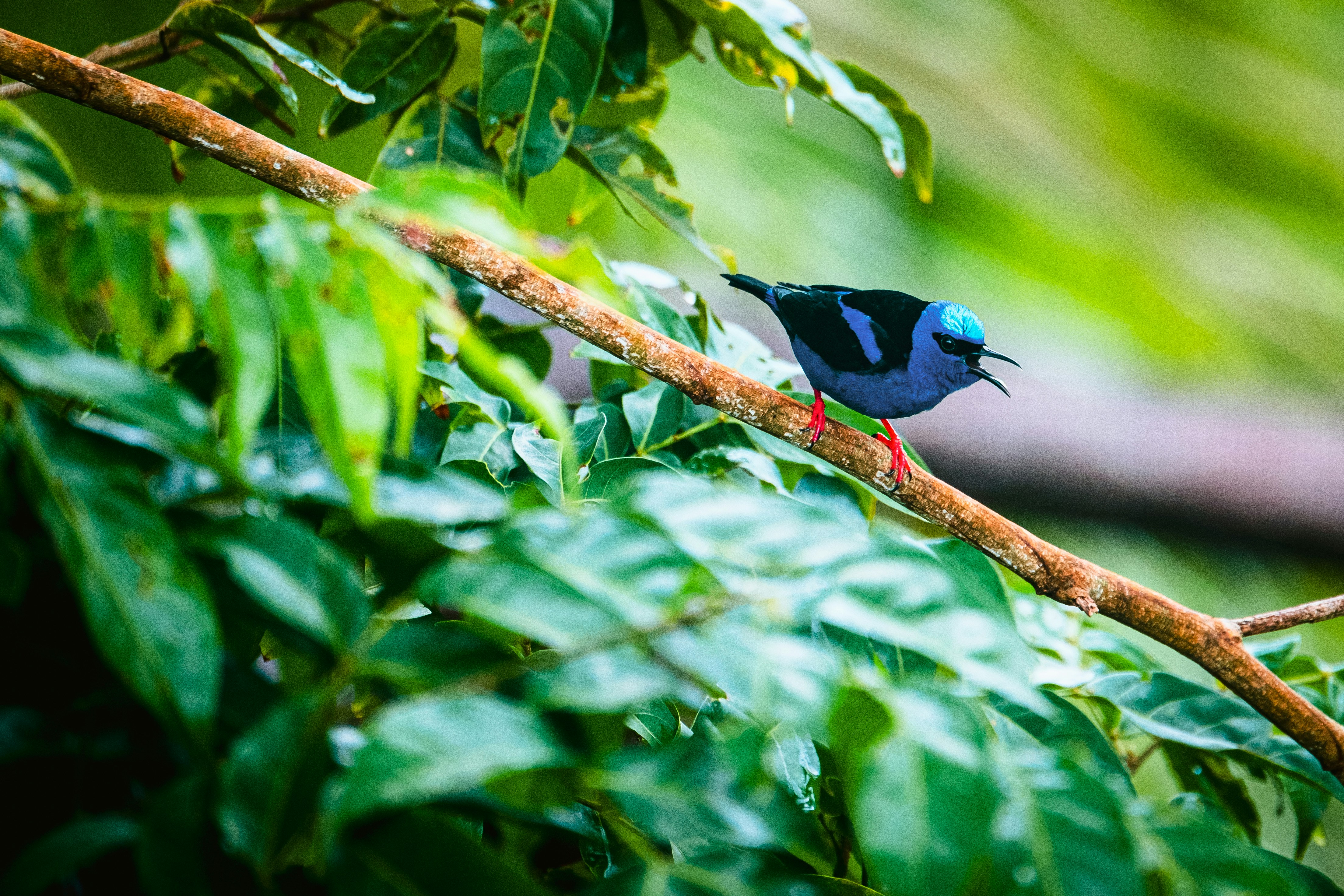
Communities
The Consejo Comunitario La Voz de los Negros, across 12 veredas, holds all decision-making authority. Free, prior and informed consent underpins every project activity.

Forest area
The collective territory spans 21,329 hectares of tropical Chocó rainforest under Afro-Colombian communal title, monitored within a wider 70,368-hectare reference region.
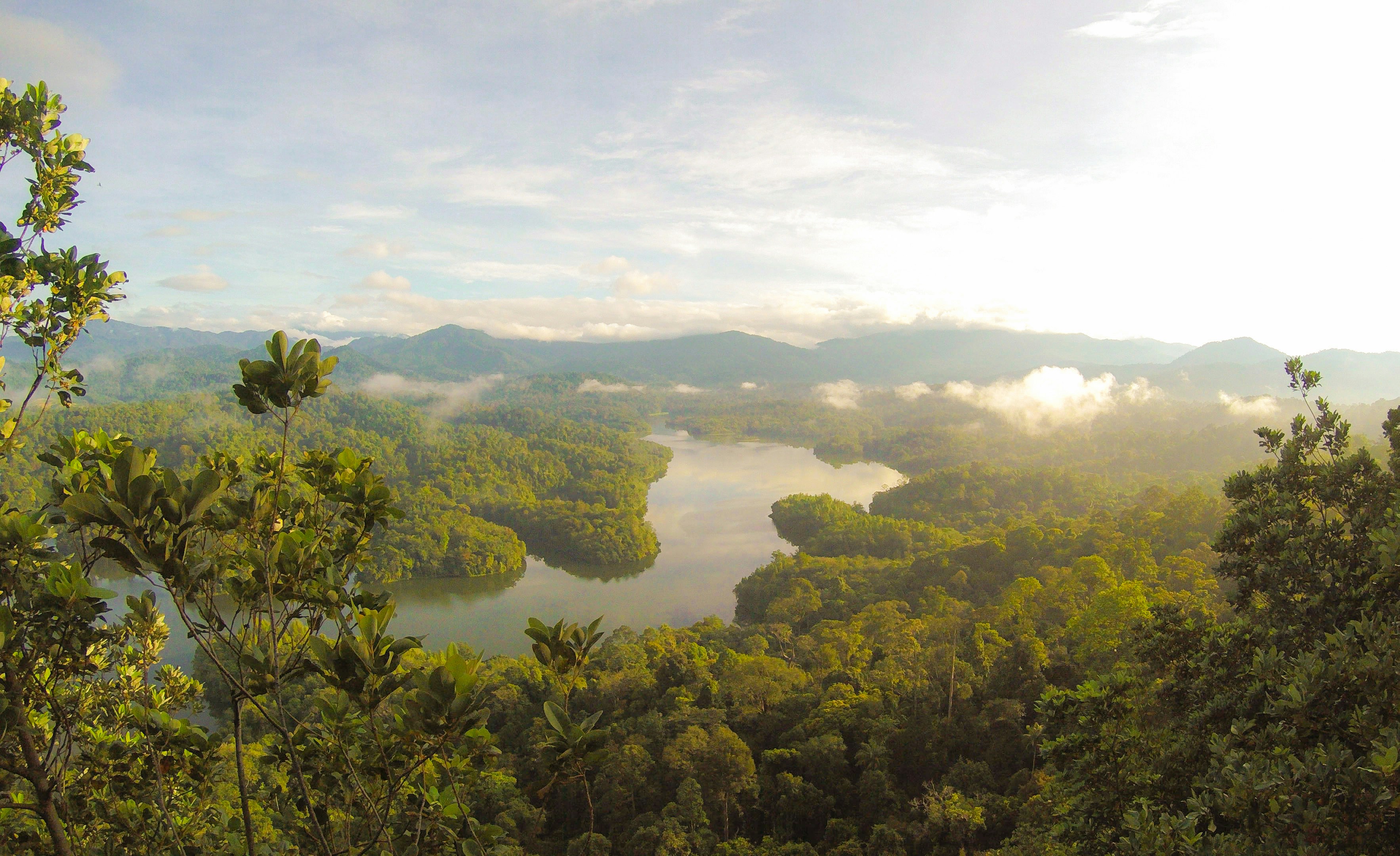
Annual credits
The territory has seen significant forest loss over the past decade. Baseline figures are currently being established through satellite monitoring by Space for Good and will be confirmed through Plan Vivo validation. Expected annual issuance will be set through that process.
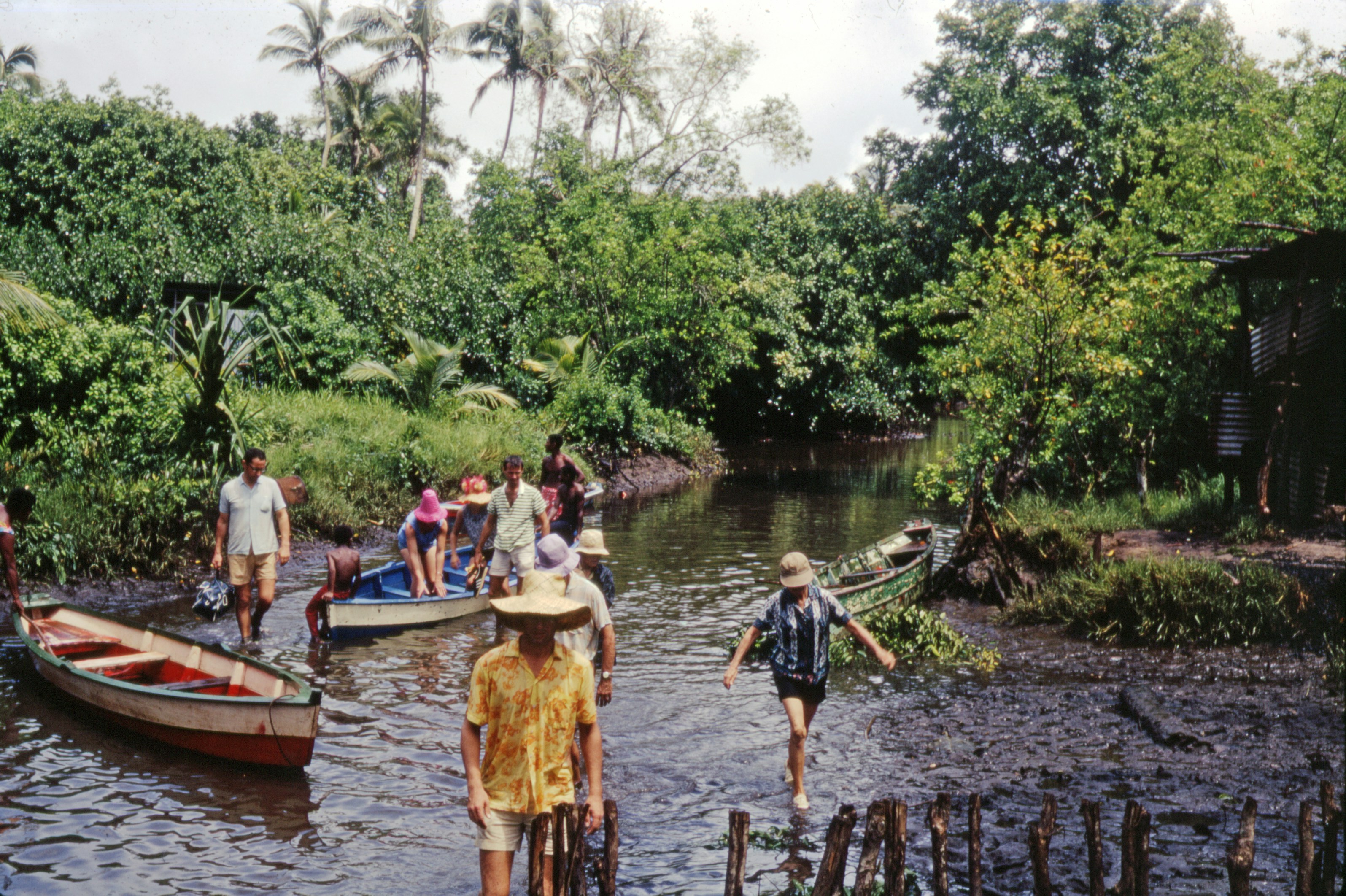
Project term
The project runs for 30 years, from August 2023 to August 2053, backed by a 50-year benefit-sharing agreement that secures the community's share for the long term.
Where the project sits in the landscape
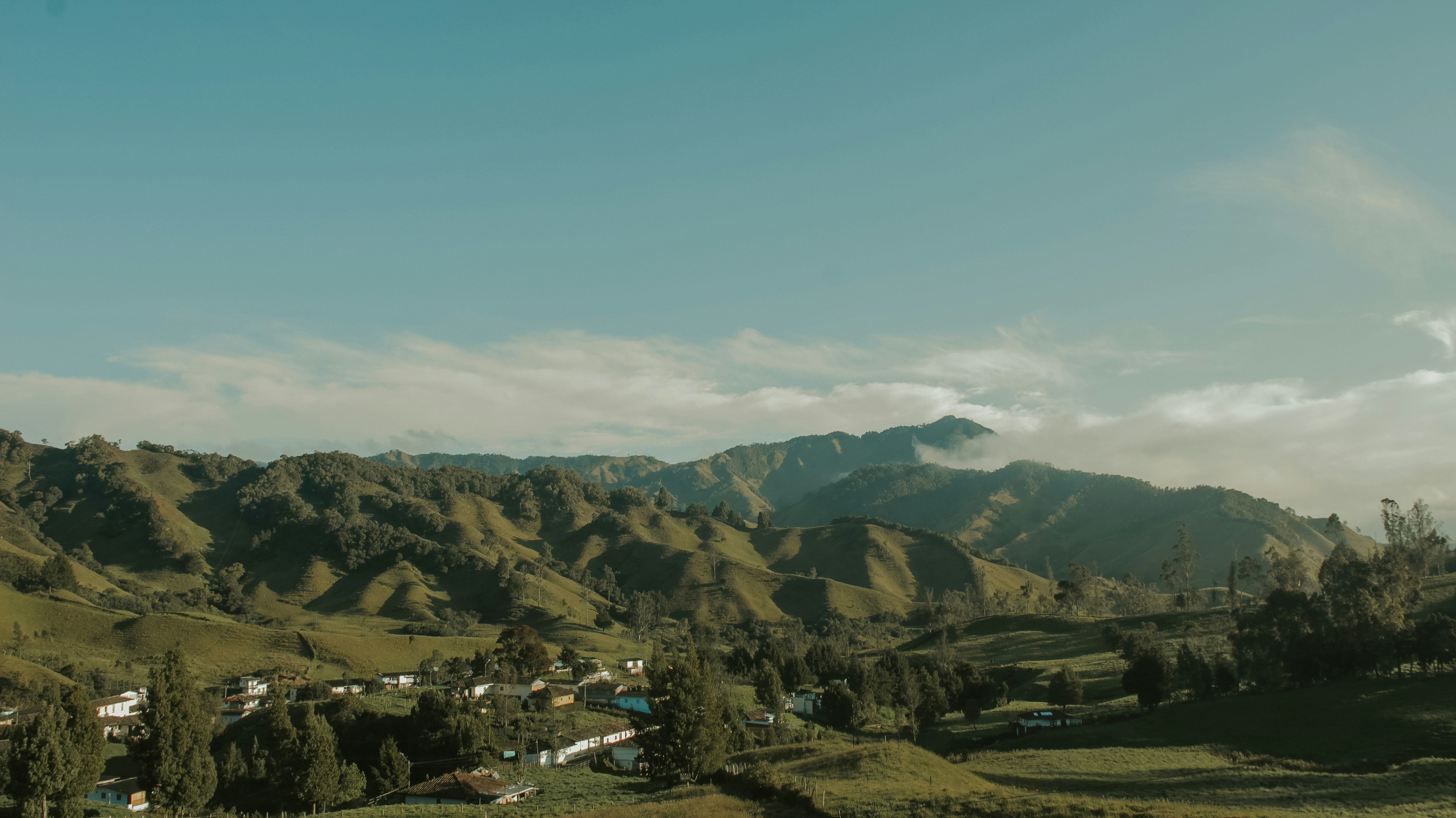
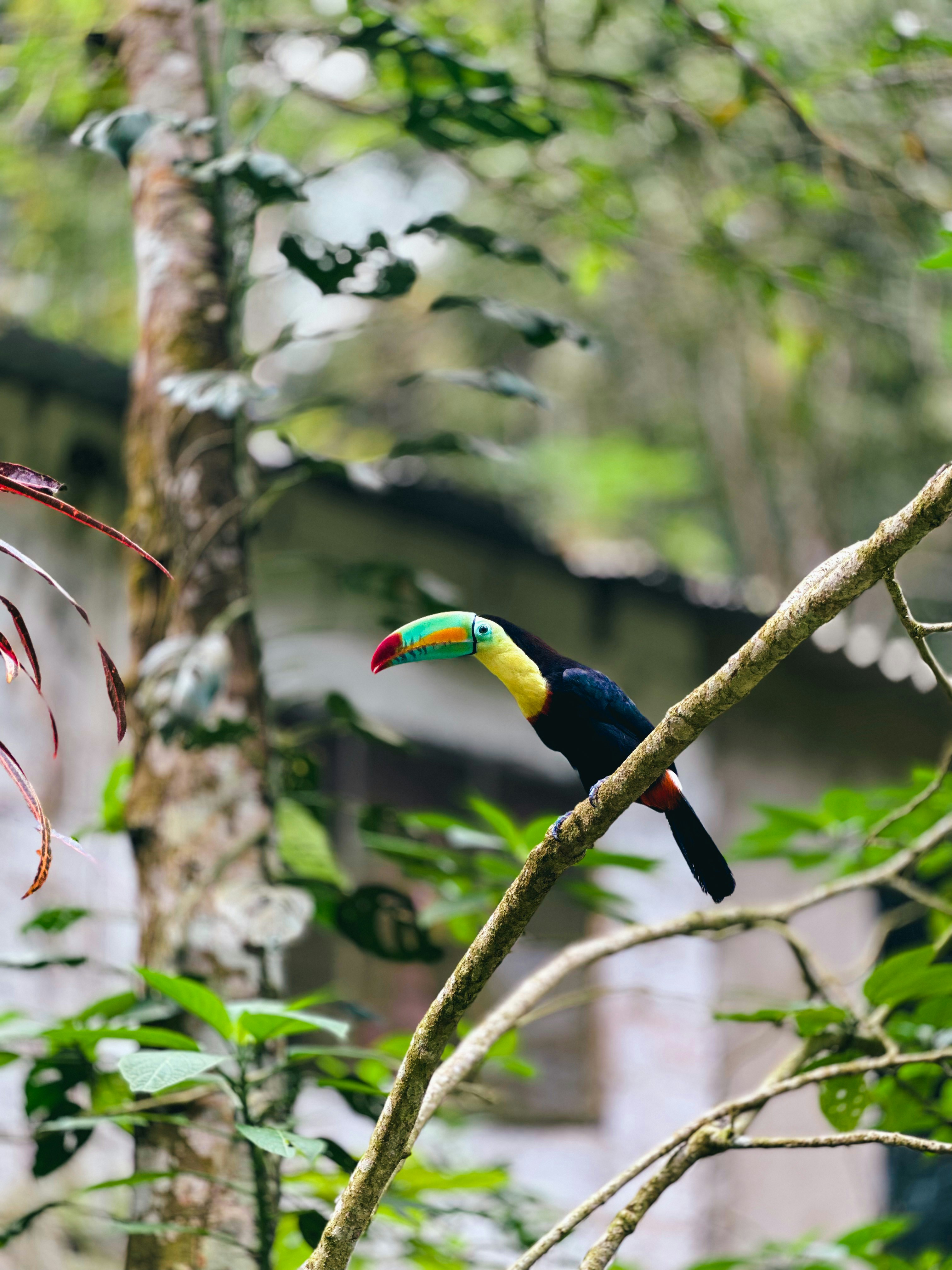
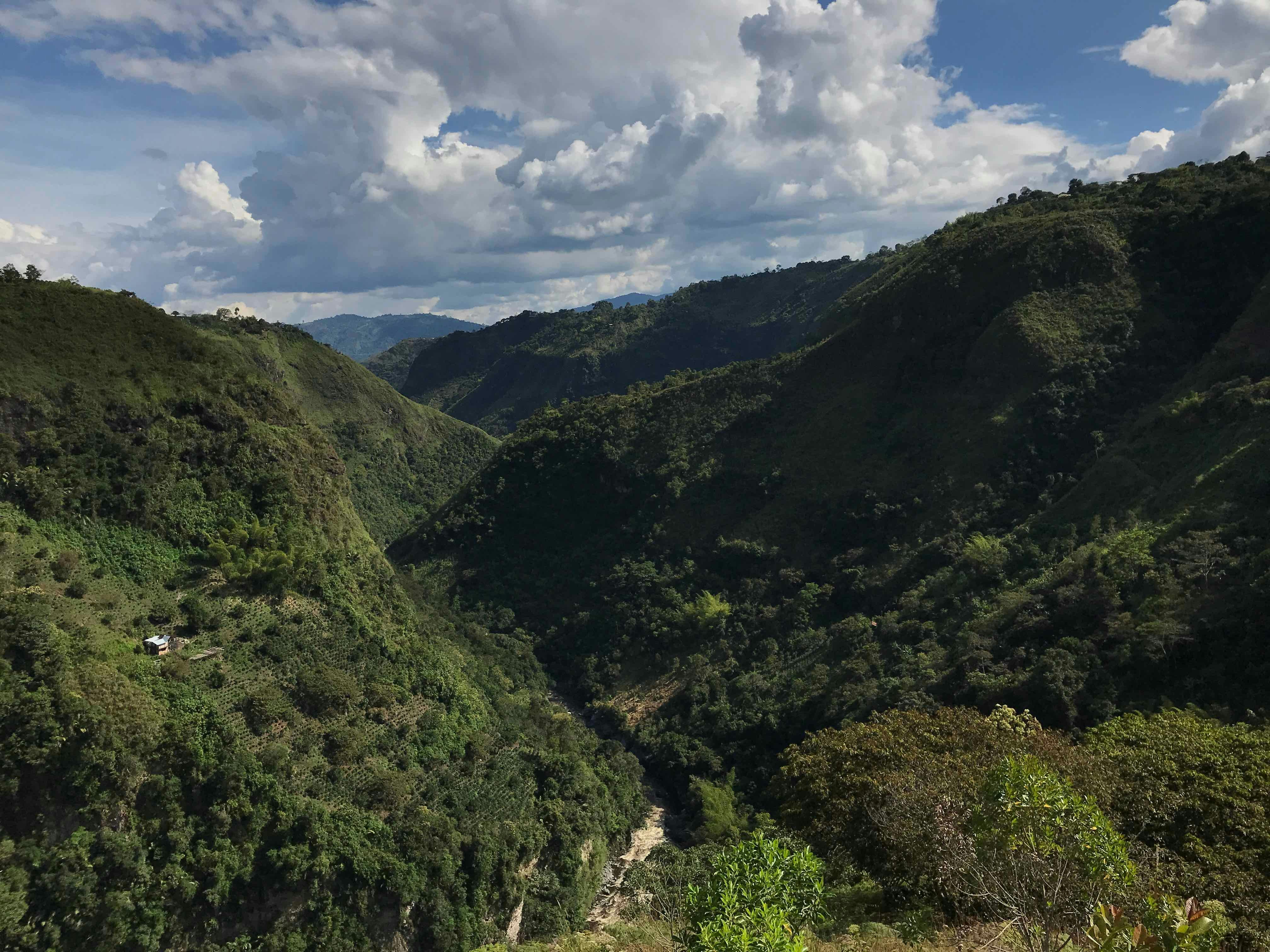
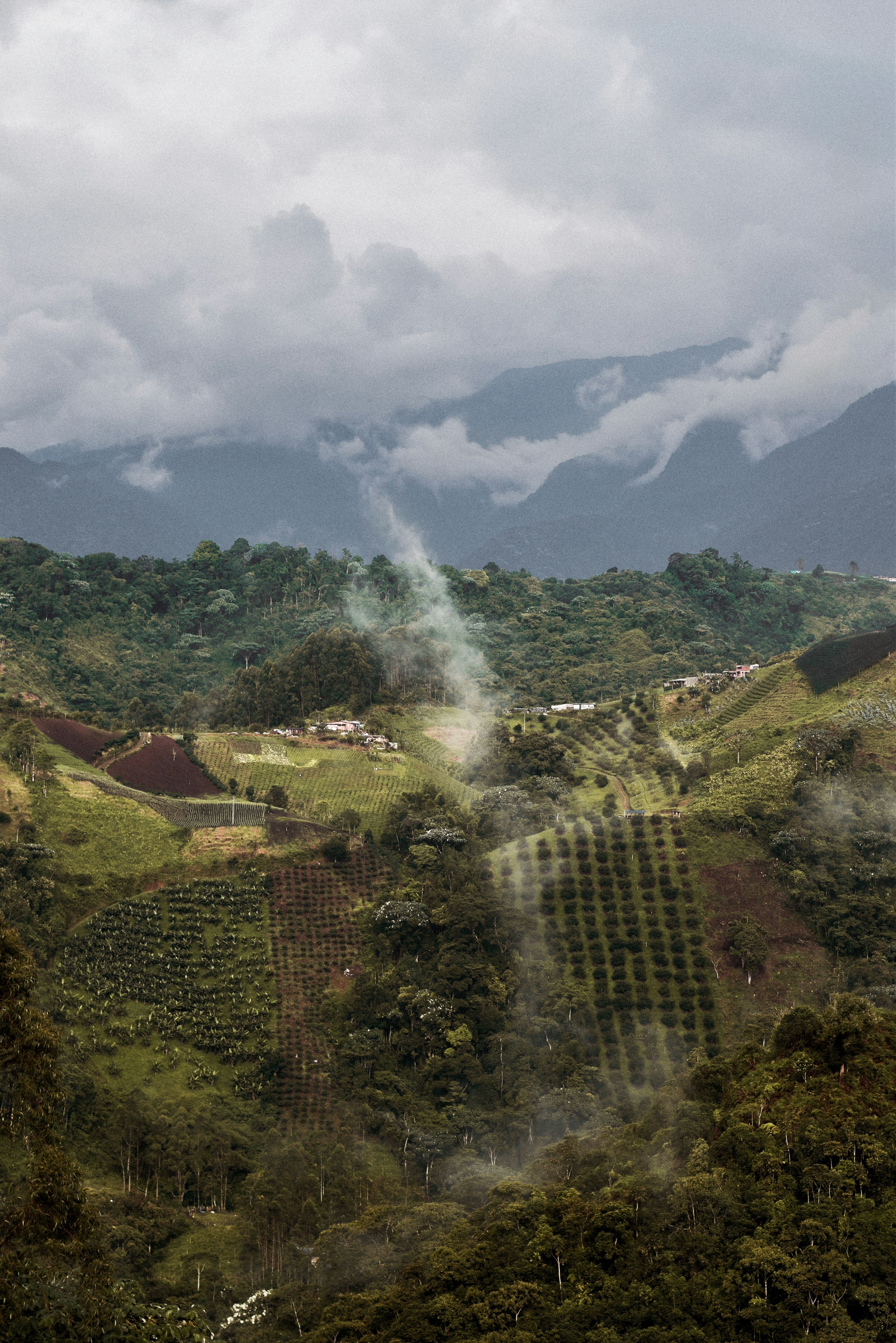
The Chocó rainforest is one of the world's most biodiverse and threatened ecosystems. La Voz de Los Negros operates in this critical landscape, protecting forest that faces relentless pressure from illegal logging and land conversion.

Ecosystem type
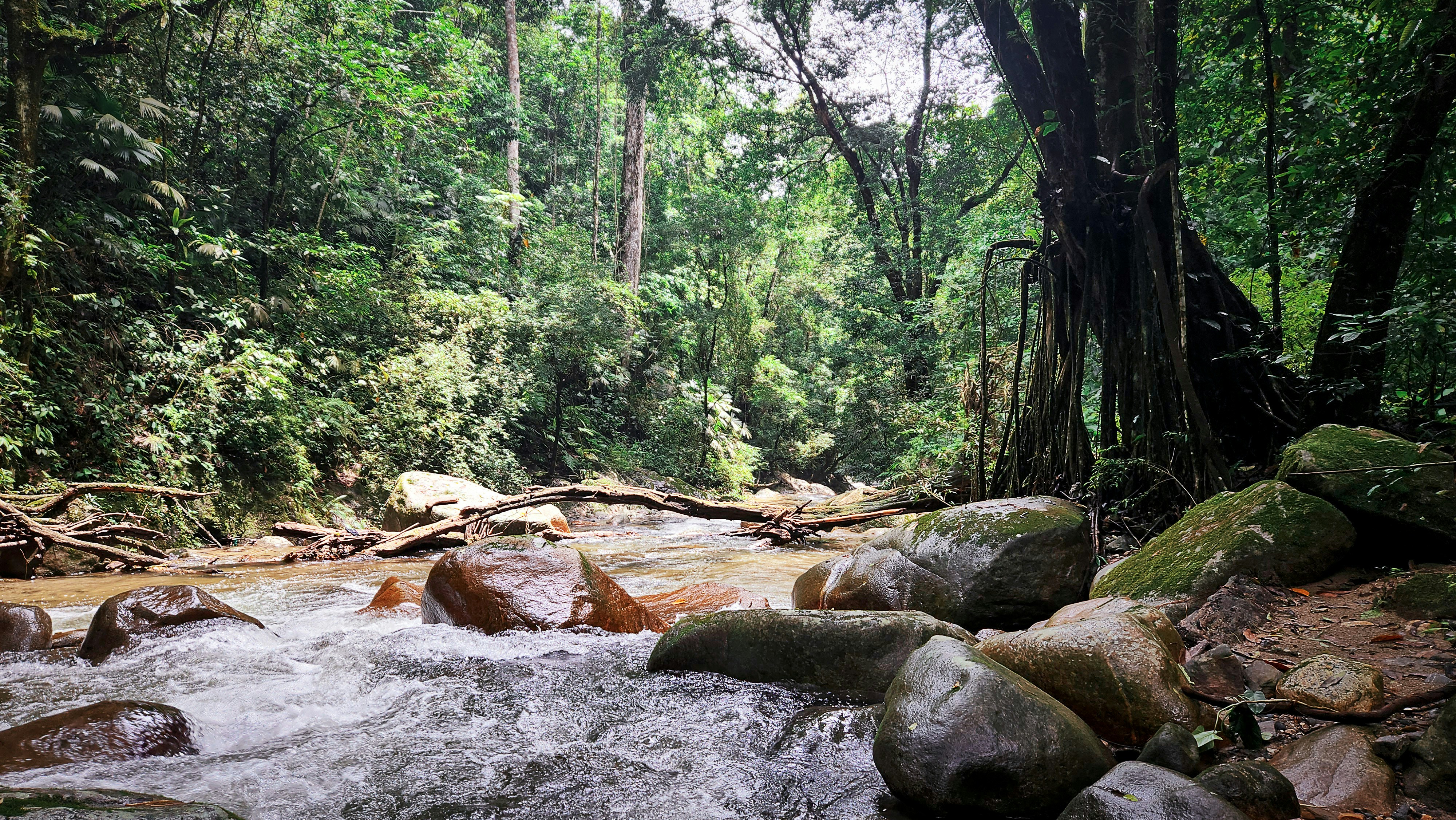
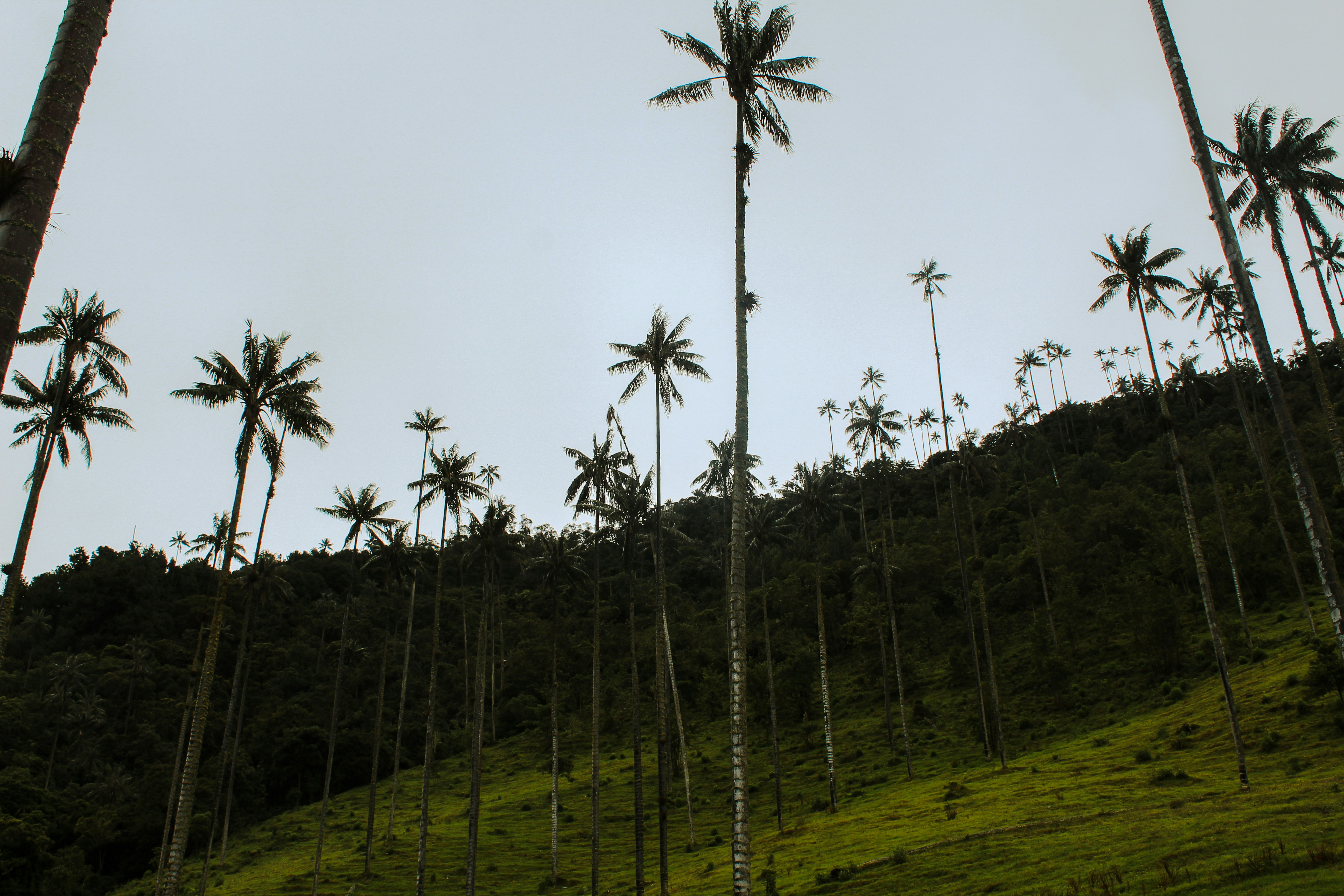
The project protects primary and secondary Chocó rainforest, characterised by extraordinary plant and animal diversity. This tropical forest ecosystem is among the most biodiverse per square kilometre on Earth.
.jpg)
Biodiversity significance
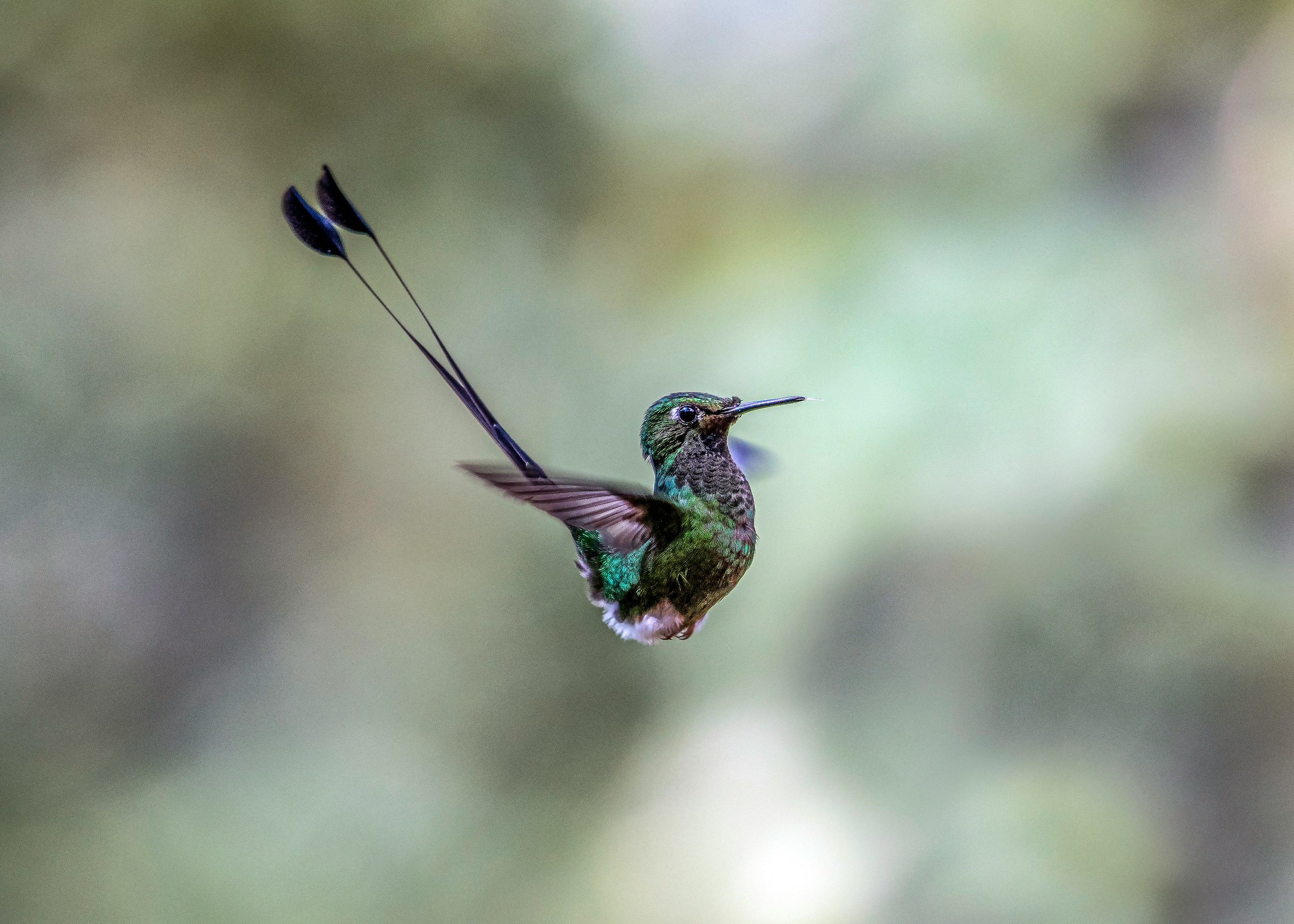
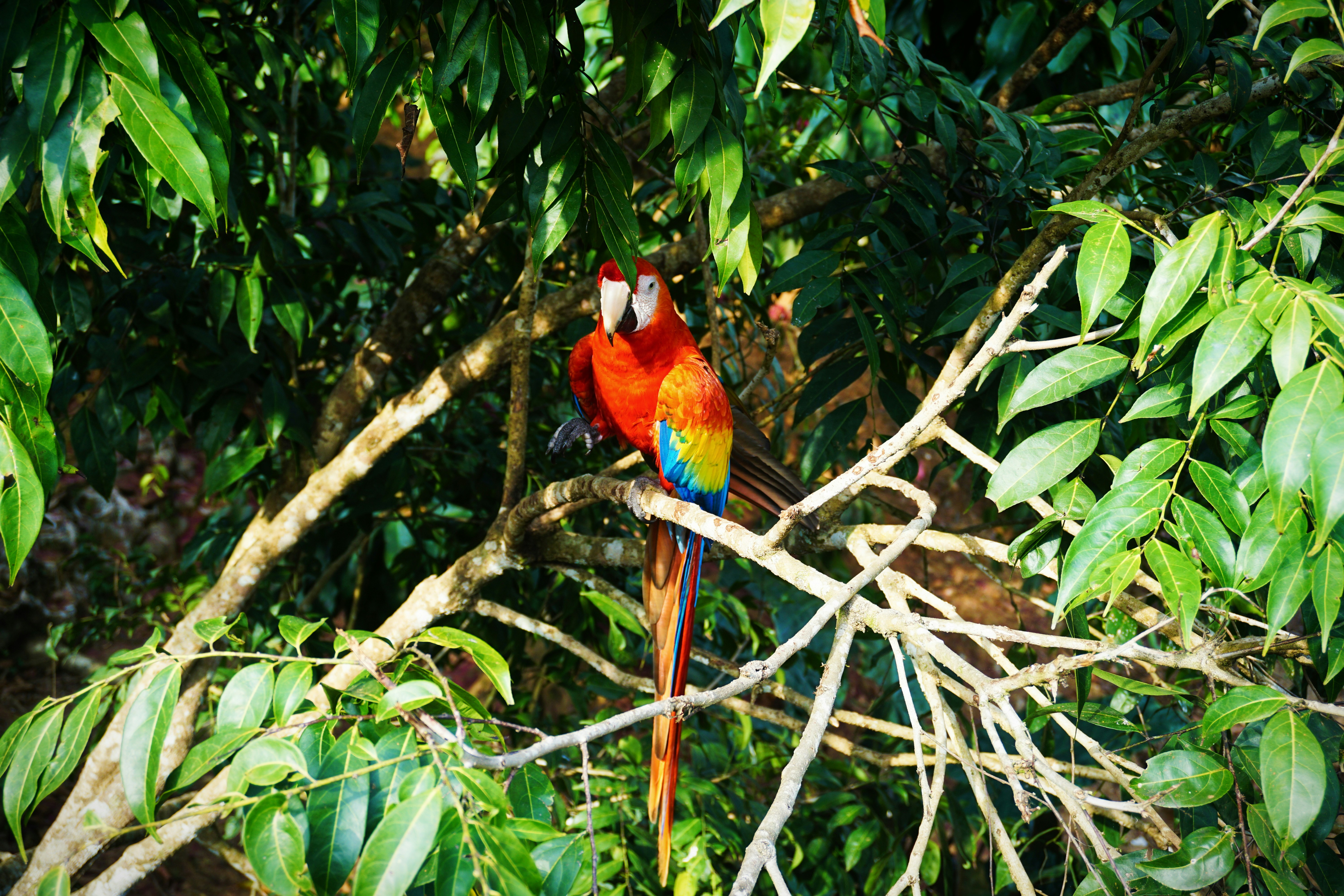
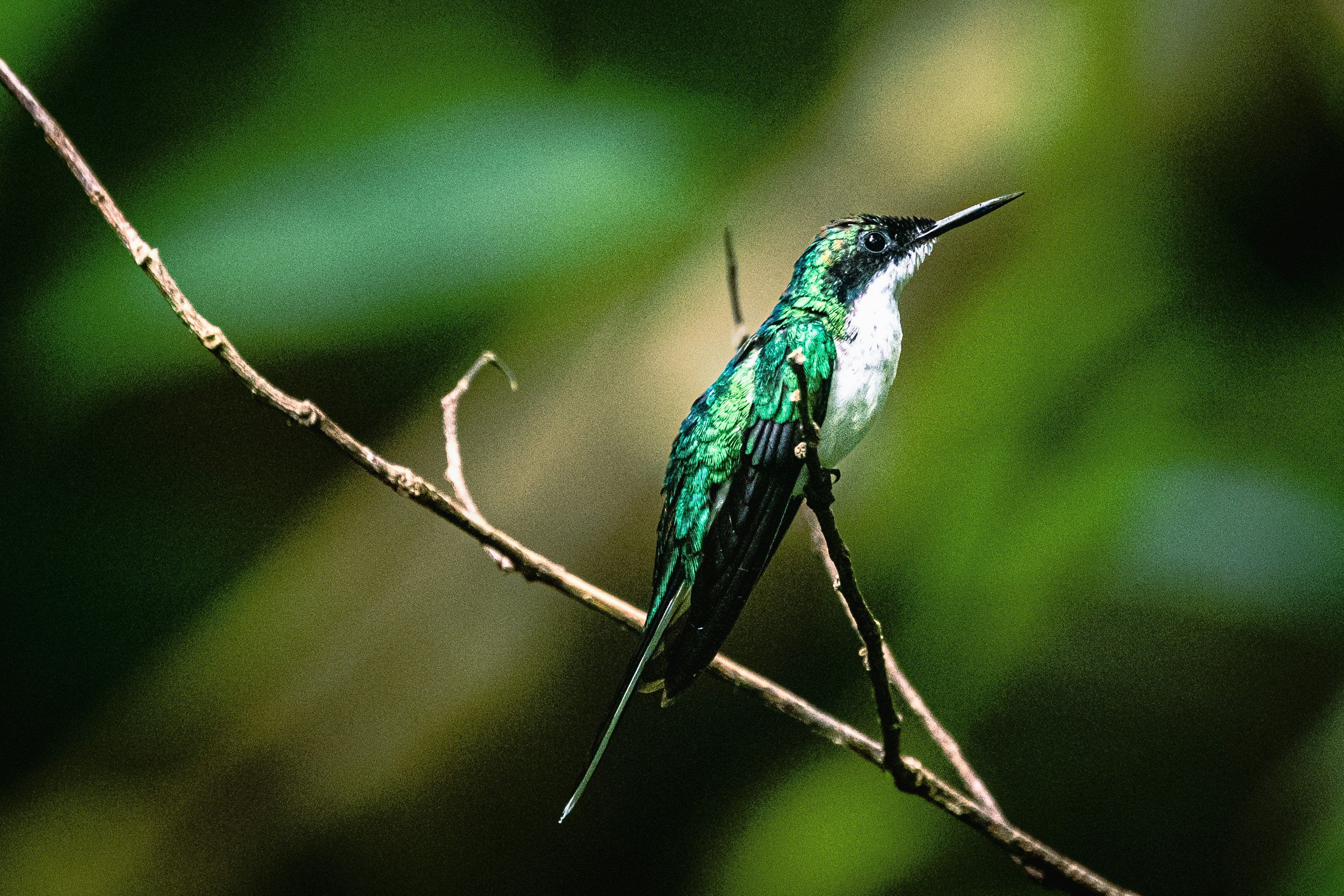
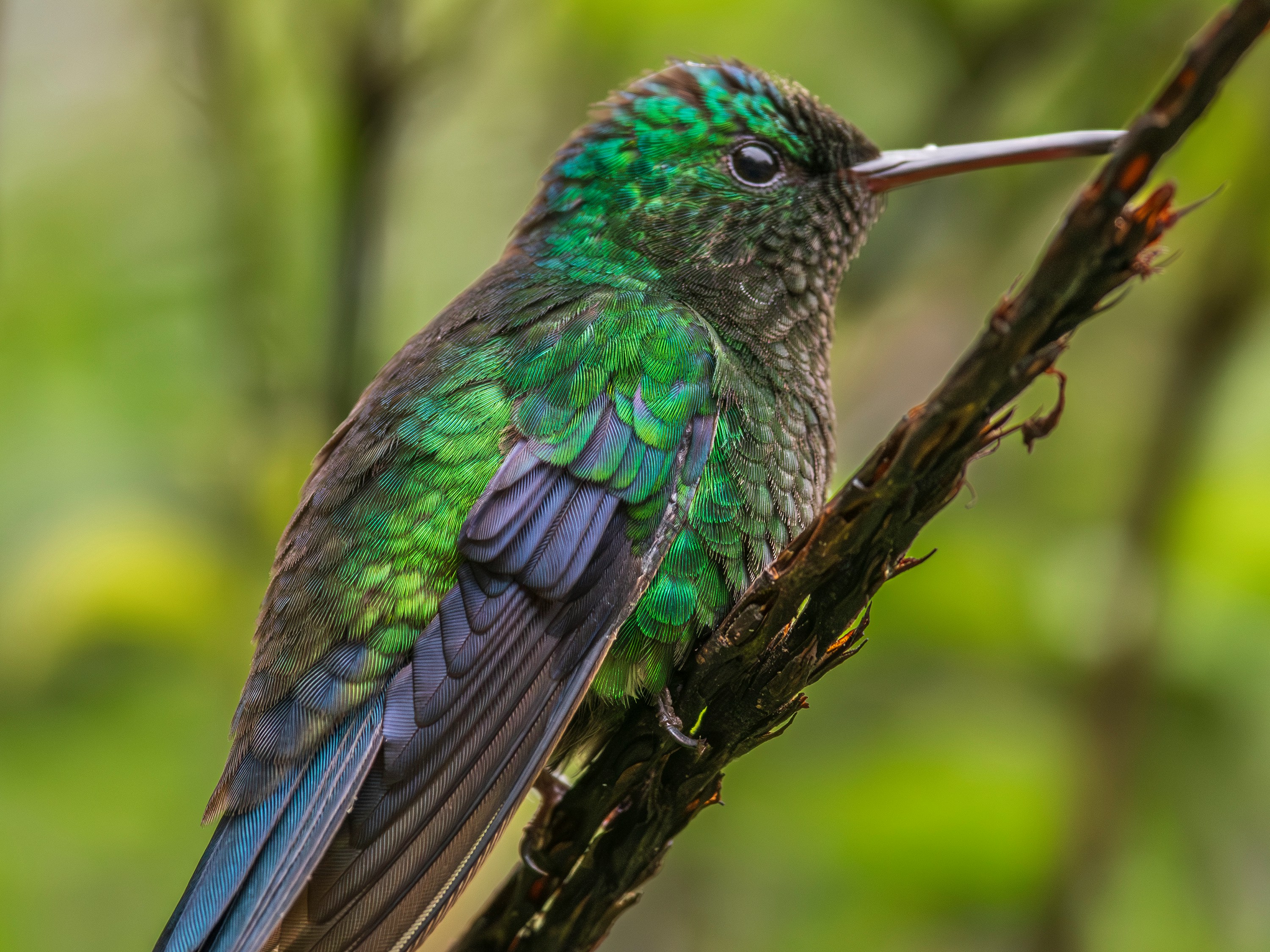
The region harbours endemic species found nowhere else, including jaguars, harpy eagles and rare amphibians. Forest protection directly safeguards irreplaceable genetic and ecological heritage.

Watershed services
The forest regulates the Magüí and Patía river basins that supply communities and agriculture downstream. Forest loss would degrade water quality and raise flooding and drought risk across the region.
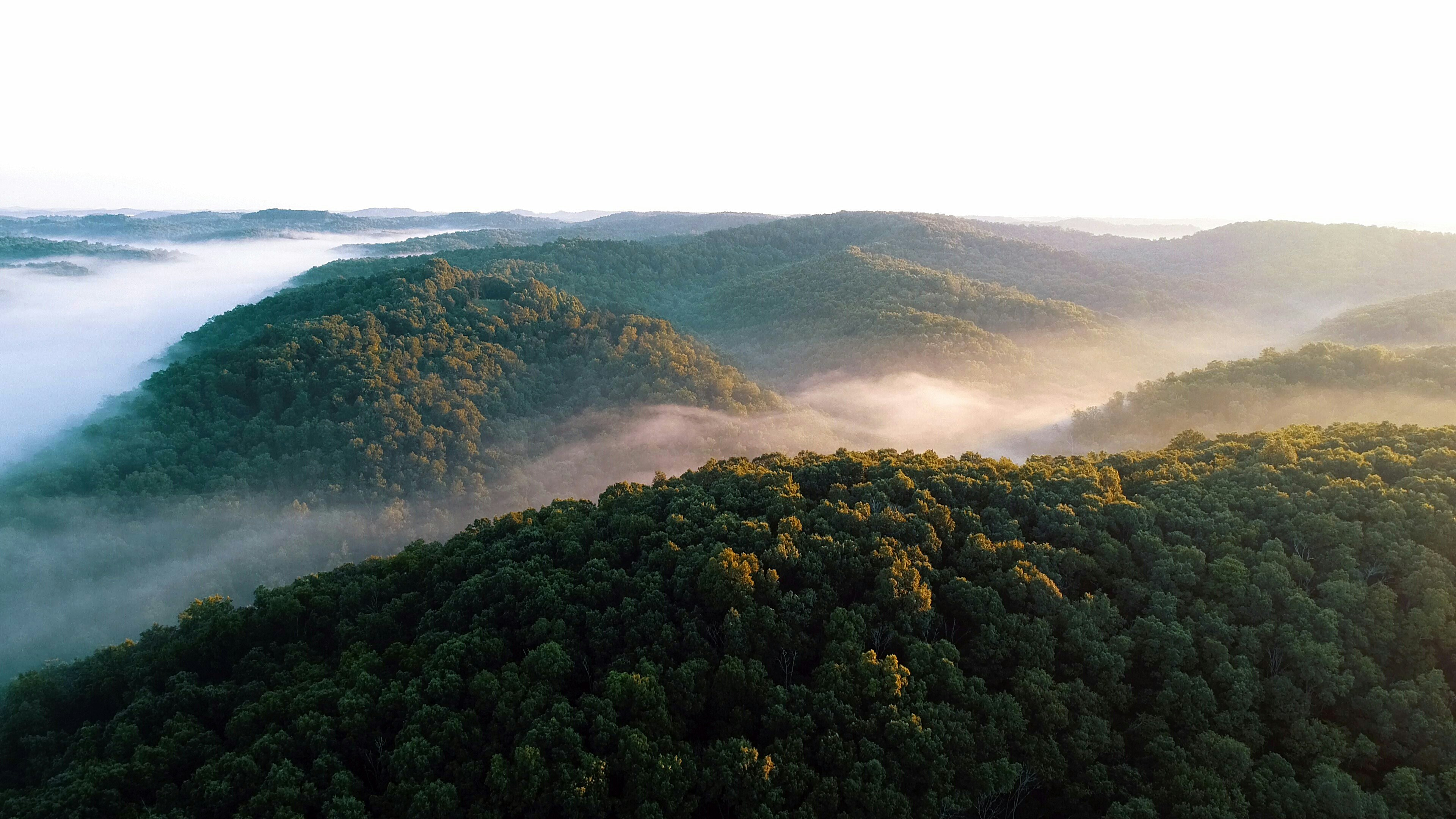
Threat context
Illicit-crop expansion, unsustainable artisanal mining and selective logging drive deforestation in Magüí Payán. Without intervention, this forest would disappear within decades, taking its carbon, biodiversity and watershed functions with it.
.jpg)

.jpg)
How councils lead and decide
Afro-Colombian councils in Magüí Payán hold all decision-making authority over the project. Free, prior, and informed consent is renewed through participatory assemblies where communities vote on major activities and benefit allocations.
Council structure
Traditional governance bodies represent families and territories within the project area.

Participatory consent
Communities assemble annually to review progress and approve new activities or changes.
Benefit allocation votes
Communities directly decide how their 65% revenue share is spent on health, education or livelihoods.

Ongoing participation
Councils monitor implementation and hold the project accountable to commitments made during consent processes.
How we measure what matters
The project establishes a rigorous baseline showing what would happen without intervention, then proves that conservation activities exceed this scenario. Independent verification confirms climate integrity across the project term.
The project establishes a rigorous baseline showing what would happen without intervention, then proves that conservation activities exceed this scenario. Independent verification will confirm climate integrity across the project term.
Baseline approach
Historic deforestation rates and land-use pressures establish what forest loss would occur without the project.
Additionality proof
Conservation activities go beyond legal requirements, demonstrating that the project would not happen under business-as-usual conditions.

Leakage monitoring
Buffer zones and satellite surveillance track whether deforestation simply shifts to neighbouring areas outside the project boundary.
Permanence strategy
A 50-year commitment with risk buffers ensures forest protection endures beyond the initial project term.
What the project does on the ground
La Voz de Los Negros combines forest protection with livelihood support. Community patrols, enforcement assistance and sustainable agroforestry create both carbon benefits and economic resilience.
Community patrols
Local monitors walk forest boundaries regularly, documenting threats and reporting illegal activity to authorities.

Enforcement support
Project resources strengthen government capacity to respond to alerts and prosecute illegal logging.
Sustainable livelihoods
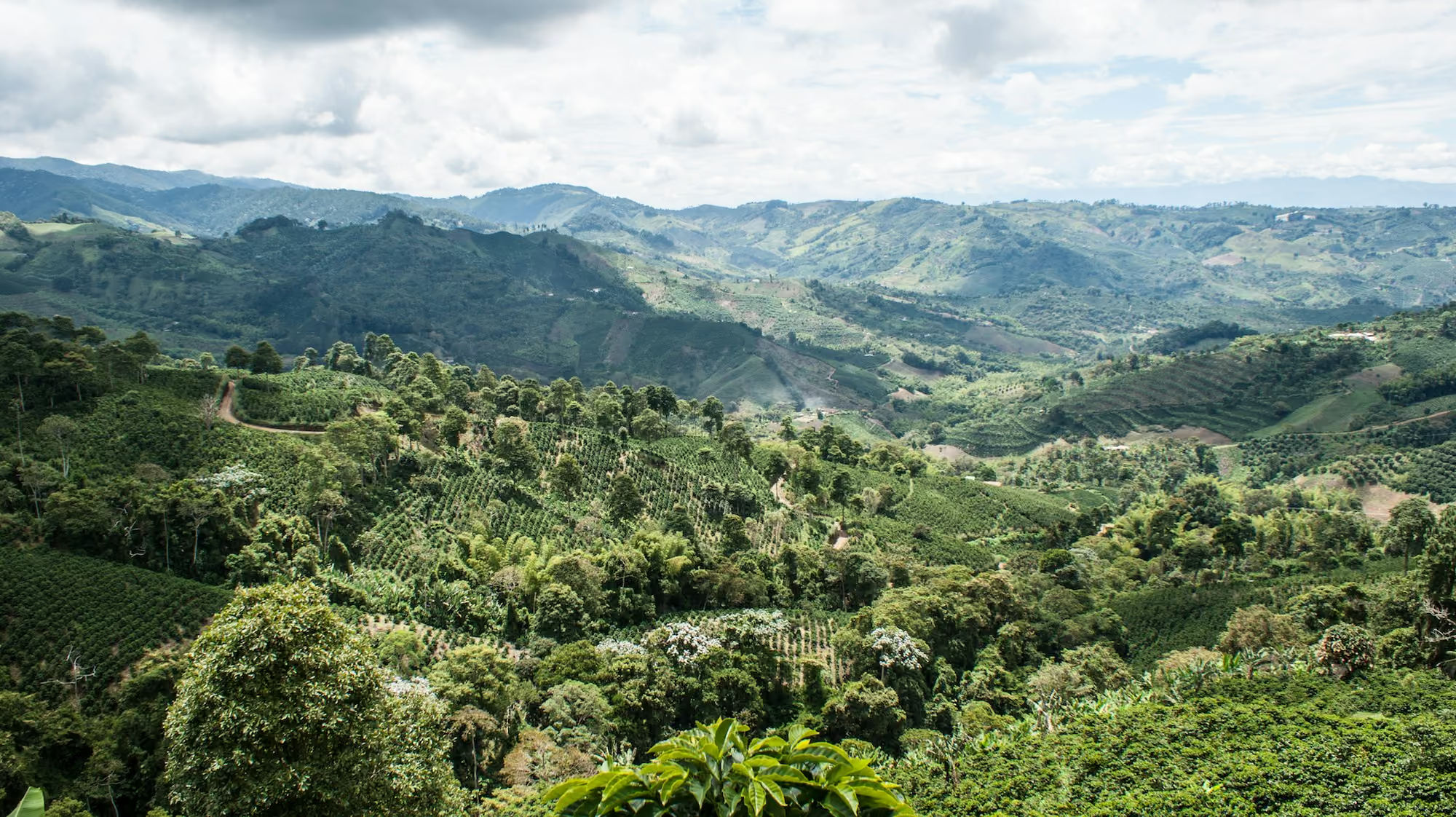
Agroforestry systems and forest-based enterprises provide income alternatives to logging and land conversion.

Territorial governance
Strengthening the community council's monitoring, planning and decision-making capacity ensures protection endures and benefits are managed transparently.




How money flows back to communities
65% of all carbon revenue goes directly to Afro-Colombian councils. Communities decide how funds are spent through transparent, participatory budgeting processes.
Revenue split
65%to communities, 35% for project coordination, verification, field implementation and the financing that makes the project possible.
Participatory budgeting
Councils hold assemblies to decide whether funds support health, education, livelihood development or cultural initiatives.
Transparent reporting
Annual financial statements show exactly how much revenue was earned and how communities allocated their share.
Auditable records
Independent auditors verify that funds were received and spent according to community decisions and project agreements.
How we prove what we claim
La Voz de Los Negros is being developed under the Plan Vivo methodology. The project is not yet validated. Once validation is complete, the project will report annually to Plan Vivo, with independent third-party verification at least every five years. Key documentation is available for due diligence review.
Plan Vivo pathway
The project is at the Project Idea Note stage of the Plan Vivo pathway (PV Climate), building on the experience of our ACADESAN pilot. Once validated, credits are independently verified by third parties before issuance.
The project is at the Project Idea Note stage of the Plan Vivo pathway (PV Climate), building on the experience of our ACADESAN pilot. Once validated, credits will be independently verified by third parties before issuance.
Third-party audits
Independent verifiers assess baseline calculations, monitoring data and community benefit distribution annually.
Once the project is validated, independent verifiers will assess baseline calculations, monitoring data and community benefit distribution.
Available documents
Project identification note, maps, monitoring plans and safeguards summaries are available in the PIN.
Verification statements
Once the project is validated, annual reports and periodic third-party verification will assess whether the project continues to meet Plan Vivo requirements and delivers the intended climate outcomes."
Once the project is validated, annual reports and periodic third-party verification will assess whether the project continues to meet Plan Vivo requirements and delivers the intended climate outcomes.
Understanding the credits
Credits are issued annually based on verified monitoring data. Each credit carries a unique serial identifier and is tracked on Mama Nature's public transparency register.
Once the project is validated, credits will be issued annually based on verified monitoring data. Each credit will carry a unique serial identifier and will be tracked on Mama Nature's public transparency register.
Annual vintage
Credits are issued with the year they were generated, allowing you to track and report on specific vintages.
Credits will be issued with the year they were generated, allowing you to track and report on specific vintages.
Issuance cadence
Credits are issued annually following verification, with batches released once monitoring data is audited.
Credits will be issued annually following verification, with batches released once monitoring data is audited.
Retirement tracking
All retirements are recorded on the public register with dates and buyer information to prevent double counting.
Serial identifiers
Each credit has a unique serial number linked to the project, vintage and monitoring period for full traceability.
Documentation
Project maps, monitoring plans, and verification statements available for review
Questions
Everything you need to know about this project and how it works
La Voz de Los Negros operates under the Plan Vivo framework, a community-led standard that prioritises indigenous and local governance. The project follows Plan Vivo's rigorous methodology for baseline setting, additionality assessment and benefit distribution.
La Voz de Los Negros is being developed under the Plan Vivo framework, a community-led standard that prioritises local governance. The project is not yet certified. It follows Plan Vivo's methodology for baseline setting, additionality assessment and benefit distribution.
All credits are registered in Mama Nature's transparency register with unique serial identifiers. Each credit is retired only once and retirement records are publicly available to prevent any credit from being claimed twice.
The project establishes a baseline scenario showing what would happen without intervention, then demonstrates that conservation activities exceed this baseline. Independent verification confirms that the project would not occur under business-as-usual conditions.
The project establishes a baseline scenario showing what would happen without intervention, then demonstrates that conservation activities exceed this baseline. Independent verification will confirm that the project would not occur under business-as-usual conditions.
You may report on credits retired and their vintage year, project location and ecosystem type. Detailed guidance aligned with VCMI and ICVCM standards is available to ensure your claims are credible and defensible.
The project distributes 65% of revenue to Afro-Colombian councils who decide how funds are allocated. Communities prioritise livelihood support, education and cultural preservation through transparent, participatory processes.
Partnership options for your needs
Choose the approach that fits your climate strategy and portfolio requirements